

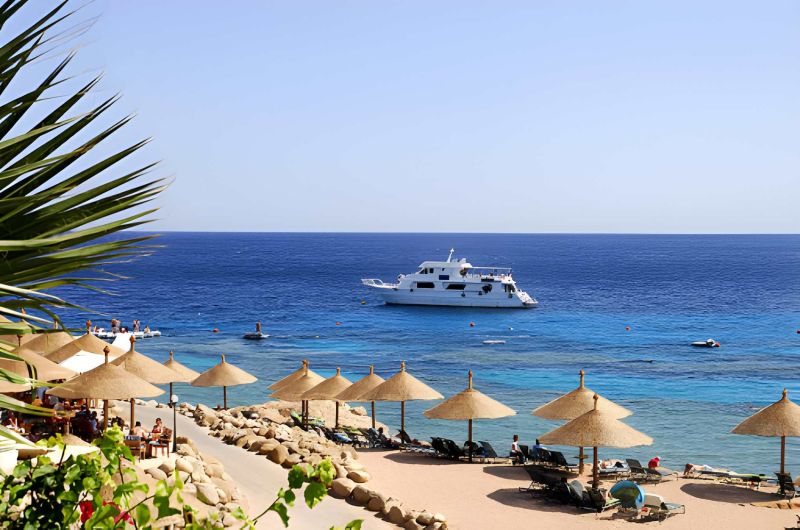
The question many travelers type into search engines before booking a beach escape is simple: Is the Red Sea safe for tourists? With its turquoise lagoons, vibrant coral reefs, and year‑round sunshine, the Red Sea—especially Hurghada and Sharm El Sheikh—remains one of the most sought‑after destinations in Egypt. Yet modern travelers naturally want reassurance before planning a holiday. Safety, local conditions, marine life, and regional stability all play a role in deciding whether the Red Sea is a smart travel choice.
Here’s the reality: millions of tourists visit the Red Sea every year, and the resort cities of Hurghada and Sharm El Sheikh are specifically designed for international tourism. These destinations feature resort zones, private beaches, airport security screening, tourist police, and well-developed hospitality infrastructure. Resorts, dive centers, and tour operators operate under strict government regulations designed to keep visitors comfortable and safe.
Still, savvy travelers want more than marketing promises—they want facts. Is Hurghada safe for tourists at night? Is Sharm El Sheikh safe for snorkeling and diving? Are there risks from sharks, political instability, or travel scams? Understanding the full picture helps travelers relax and actually enjoy the Red Sea’s legendary reefs and beaches.
This guide digs deep into Red Sea travel safety, covering Hurghada safety, Sharm El Sheikh safety, marine life precautions, resort security, transportation safety, and practical travel tips. By the end, you’ll know exactly why the Red Sea remains one of the safest and most rewarding beach destinations in the Middle East.
Is the Red Sea Safe for Tourists in 2026? Real Safety Conditions in Hurghada and Sharm El Sheikh
When people ask, “Is the Red Sea safe for tourists?” they’re usually referring to the major resort cities along Egypt’s eastern coastline. Hurghada and Sharm El Sheikh dominate Red Sea tourism and both operate in heavily monitored tourist zones. These areas are geographically distant from political hotspots and benefit from strong tourism-focused security measures.
Hurghada and Sharm El Sheikh airports include multiple security checkpoints, baggage scanning, and passport screening specifically implemented to protect tourism. Resorts also maintain private security staff and gated entrances, which significantly reduces petty crime risks. In fact, most visitors report that Red Sea resorts feel safer than many large global cities.
Tourist police patrol resort districts, beaches, marinas, and excursion departure points. Authorities understand tourism is vital to the economy, so keeping the Red Sea safe for tourists remains a top national priority. As a result, the majority of incidents tourists encounter are minor inconveniences such as aggressive sales tactics or taxi negotiations rather than safety threats.
Travel advisories from many countries still encourage standard precautions, but they generally allow tourism to Hurghada and Sharm El Sheikh. Millions of divers, snorkelers, and beach lovers continue to visit annually, reinforcing the reality that Red Sea tourism remains stable and secure.
Hurghada Safety Guide: What Travelers Should Know Before Visiting
Hurghada has grown from a quiet fishing village into one of the largest Red Sea resort hubs. Today the city features hundreds of resorts, dive centers, restaurants, and marinas catering specifically to international visitors. When discussing whether the Red Sea is safe for tourists, Hurghada frequently appears as one of the safest and most accessible destinations.
Most tourists stay within resort areas such as El Gouna, Sahl Hasheesh, or Makadi Bay. These areas operate like self-contained beach towns with controlled access points, private security, and organized transportation. Walking around resort promenades at night is generally considered safe, especially in well-lit tourist areas filled with restaurants and cafes.
Transportation safety in Hurghada is straightforward when travelers rely on hotel taxis, licensed drivers, or organized tours. Street taxis may require negotiation, but safety concerns remain minimal compared to many global tourist cities.
The biggest concern for many travelers in Hurghada isn’t crime—it’s sun exposure, dehydration, or careless snorkeling. Following basic travel precautions makes Hurghada one of the most relaxed Red Sea holiday destinations.
Sharm El Sheikh Safety: Why This Red Sea Resort Is Popular With International Tourists
Sharm El Sheikh sits on the southern tip of the Sinai Peninsula and has long been a flagship Red Sea tourism destination. Travelers researching “Is the Red Sea safe for tourists in Sharm El Sheikh?” often discover that the city was purpose-built around tourism security and resort infrastructure.
The main tourist districts—Naama Bay, Sharks Bay, and Nabq Bay—are designed around gated resorts, private beaches, and well-managed entertainment areas. Security checkpoints on the roads entering Sharm El Sheikh ensure controlled access, which dramatically reduces external risks.
Visitors typically spend their days diving at Ras Mohammed National Park, snorkeling over coral reefs, or relaxing in all-inclusive resorts. These activities are supervised by licensed operators who follow marine safety regulations and weather monitoring protocols.
Nightlife areas such as Soho Square and Naama Bay remain lively yet well-policed, creating an environment where travelers can comfortably enjoy restaurants, cafes, and shops after sunset.
Red Sea Marine Life Safety: Sharks, Coral Reefs, and Snorkeling Precautions
A common concern behind the question “Is the Red Sea safe for tourists?” involves marine life. The Red Sea is one of the world’s richest marine ecosystems, home to over 1,200 species of fish and spectacular coral formations. Encounters with marine wildlife are usually safe and unforgettable, especially when travelers follow standard guidelines.
Shark incidents in the Red Sea are extremely rare considering the millions of annual swimmers and divers. Most resorts and dive operators closely monitor marine conditions and restrict swimming when unusual activity occurs. Guides emphasize responsible snorkeling behavior such as avoiding feeding fish, maintaining distance from wildlife, and respecting coral reefs.
Coral itself can cause small cuts if touched, which is why experienced snorkelers float above reefs rather than standing on them. Wearing reef-safe sunscreen and water shoes can help protect both swimmers and the fragile coral environment.
With basic awareness and responsible diving practices, marine life in the Red Sea becomes a highlight rather than a hazard.
Practical Red Sea Travel Safety Tips for Hurghada and Sharm Visitors
Travelers asking “Is the Red Sea safe for tourists?” often want practical advice for staying secure while enjoying their vacation. Fortunately, Red Sea travel safety mostly involves simple common-sense precautions.
Choose reputable resorts and dive operators with positive reviews and licensed guides. Organized excursions—such as desert safaris, snorkeling tours, and island boat trips—are safer and more enjoyable when booked through trusted providers.
Stay hydrated and protect yourself from the powerful desert sun. Temperatures in Hurghada and Sharm El Sheikh can exceed 35°C in summer, so sunscreen, hats, and water are essential.
Use hotel-arranged transport or official taxi services when traveling between the airport, resorts, and excursion sites. Avoid unofficial guides offering heavily discounted tours on the street.
Finally, respect local customs and environmental guidelines. Responsible tourism helps keep the Red Sea safe for tourists while preserving the fragile ecosystem that makes the region so extraordinary.
Why the Red Sea Remains One of the Safest Beach Destinations in the Middle East
The Red Sea continues to thrive as a tourism hotspot because it combines natural beauty with structured tourism infrastructure. Hurghada and Sharm El Sheikh operate as dedicated resort zones with strong security presence, organized tour operators, and extensive hospitality experience.
Unlike crowded urban destinations, Red Sea tourism focuses on resort communities where hotels coordinate excursions, transportation, and recreational activities. This structure creates a controlled environment where travelers can focus on diving, snorkeling, sailing, and relaxing rather than worrying about safety.
The answer to the question “Is the Red Sea safe for tourists?” increasingly points toward yes—especially in established resort areas. With sensible precautions, travelers can explore coral reefs, desert landscapes, and vibrant seaside promenades while enjoying one of the most unique marine ecosystems on Earth.
Frequently Asked Questions About Red Sea Travel Safety
Is Hurghada safe for tourists right now?
Hurghada is widely considered safe for tourists, particularly within resort zones such as Makadi Bay, El Gouna, and Sahl Hasheesh. Hotels maintain private security, and tourist police patrol public areas. Most visitors experience a relaxed, incident-free holiday focused on beaches, diving, and excursions.
Is Sharm El Sheikh safe for snorkeling and diving?
Sharm El Sheikh is one of the world’s most famous diving destinations. Licensed dive centers follow strict safety standards and monitor weather and marine conditions. When tourists follow guide instructions and respect marine life, snorkeling and diving in Sharm El Sheikh are considered very safe.
Are shark attacks common in the Red Sea?
Shark attacks in the Red Sea are extremely rare. Millions of swimmers and divers enter the water each year without incident. Local authorities monitor marine activity and may temporarily restrict swimming if unusual shark behavior is detected.
Is it safe to walk around Hurghada or Sharm El Sheikh at night?
Tourist areas such as marina promenades, resort districts, and entertainment squares are generally safe at night. These areas remain busy with visitors, restaurants, and security presence. Travelers should still follow normal precautions as they would in any international destination.
Do tourists need special precautions when visiting the Red Sea?
Most Red Sea vacations require only basic travel awareness. Use licensed tour operators, drink plenty of water, apply sunscreen, and follow snorkeling guidelines. With these simple precautions, the Red Sea remains a safe and unforgettable destination for beach lovers and divers alike.