

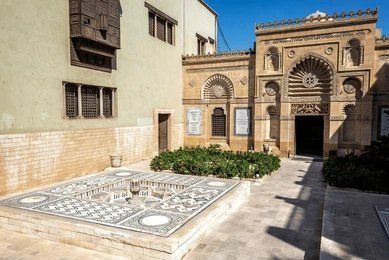
Exploring the Rich Tapestry of the Coptic Museum in Cairo
The Coptic Museum, nestled in the heart of Cairo, stands as a testament to Egypt's deep-rooted Christian heritage and artistic expression. Established in 1908, this museum is dedicated to preserving the cultural legacy of the Copts, the indigenous Christian community of Egypt. With over 16,000 artifacts, it showcases a unique blend of early Christian art, architecture, and history. Visitors from around the globe come to explore its vast collections, each piece narrating stories of faith, resilience, and artistic innovation.
As you step through the museum's doors, the atmosphere is imbued with a sense of reverence and curiosity. The Coptic Museum is not merely a repository of artifacts; it is an immersive experience that transports you through centuries of history. The intricacies of Coptic art, from textiles to woodwork, reflect the community's spiritual journey and their contributions to the broader tapestry of Egyptian history.
In this article, we will delve into the highlights of the Coptic Museum, practical visiting tips, and its significance within Cairo's cultural landscape, ensuring you make the most of your visit to this remarkable institution.
Unveiling the Art and Artifacts of the Coptic Museum
The Coptic Museum houses a remarkable collection that spans from the early Christian period to the Islamic era, illustrating the evolution of Coptic art over time. The artifacts are meticulously arranged, allowing visitors to appreciate the intricate craftsmanship of each piece. One of the museum's most significant exhibits includes stunning textiles, showcasing the vibrant patterns and colors used in Coptic garments.
Another highlight is the extensive collection of illuminated manuscripts, which feature biblical texts and religious themes beautifully illustrated with intricate designs. These manuscripts provide a glimpse into the theological and artistic context of the time, offering insights into the Coptic faith.
The Architectural Marvel of the Museum
The museum building itself is an architectural marvel, designed in a style that reflects Coptic traditions. The layout includes several interconnected galleries, each focusing on different aspects of Coptic culture and history. The central courtyard, adorned with lush greenery and serene water features, creates a tranquil environment for reflection and contemplation.
Visitors can also explore the outdoor section, which features a collection of ancient Coptic churches and architectural fragments, providing a tangible connection to the historical sites across Egypt. This outdoor space enhances the experience by allowing visitors to visualize the historical significance of the artifacts within their original contexts.
Practical Tips for Visiting the Coptic Museum
To ensure a smooth and enriching visit to the Coptic Museum, consider the following practical tips:
Opening Hours and Admission
The Coptic Museum is open daily from 9 AM to 5 PM, with the last entry at 4 PM. Admission fees are reasonably priced, making it accessible for all visitors. It is advisable to check the museum's official website or contact them for any special exhibitions or events that may be taking place during your visit.
Guided Tours and Audio Guides
For a deeper understanding of the exhibits, consider joining a guided tour or renting an audio guide. Knowledgeable guides will provide invaluable context and anecdotes that enrich your experience, bringing the history and significance of the artifacts to life.
Location and Accessibility
Located in the Coptic Cairo neighborhood, the museum is easily accessible from various parts of the city. If you're exploring other attractions in the area, such as the Hanging Church or the Ben Ezra Synagogue, it’s convenient to include the Coptic Museum in your itinerary. Public transportation and taxis are readily available, and many visitors choose to explore on foot to soak in the atmosphere of this historic district.
Frequently Asked Questions About the Coptic Museum
What is the history of the Coptic Museum?
The Coptic Museum was founded in 1908 by the Coptic community to preserve and showcase the rich heritage of Coptic Christianity in Egypt. It has since become a significant cultural institution, attracting visitors interested in the history and art of the Copts.
What are the main attractions within the museum?
Some of the main attractions include ancient textiles, illuminated manuscripts, wooden artifacts, and architectural fragments from Coptic churches. The museum's architecture and serene courtyard are also highlights of the visit.
How long should I plan to spend at the Coptic Museum?
A typical visit lasts about 1.5 to 2 hours, allowing ample time to explore the exhibits and appreciate the art and history on display. If you opt for a guided tour, you may wish to allocate additional time for deeper engagement with the artifacts.
Is photography allowed inside the museum?
Photography policies may vary, so it's best to check upon arrival. Generally, non-flash photography is permitted in most areas, but specific exhibits may have restrictions to protect fragile artifacts.
Are there any nearby attractions to visit after the museum?
Absolutely! After visiting the Coptic Museum, consider exploring nearby attractions such as the Hanging Church, Ben Ezra Synagogue, and the historic streets of Coptic Cairo, each offering rich insights into Egypt's diverse cultural heritage.
Conclusion
Visiting the Coptic Museum in Cairo is an enriching experience that allows you to connect with Egypt's profound Christian heritage. The museum not only showcases the artistic achievements of the Copts but also serves as a reminder of their enduring legacy in the fabric of Egyptian history. From the intricate textiles to the illuminated manuscripts, each artifact tells a story that transcends time. So, whether you are a history enthusiast, an art lover, or simply curious about the cultural diversity of Egypt, the Coptic Museum is a must-visit destination that promises to leave a lasting impression.