

Is Egypt Good for Solo Male Travelers? A Practical Guide to Going Alone
Yes, Egypt works well for solo male travelers, and it is easier to do alone than its reputation suggests. Men travelling by themselves face few safety barriers beyond the persistent sales approaches common at major sites. The real challenges are hassle, heat and logistics, all of which are manageable with sensible planning and a few firm habits.
Key Takeaways
- Solo men face mainly persistent touting and haggling, not serious safety problems; a polite, firm "no, thank you" and steady walking handles most approaches.
- Egypt has 7 UNESCO World Heritage sites, so a solo itinerary has far more depth than the Pyramids alone.
- All monument ticket prices are in Egyptian Pounds (EGP), and card payment is not guaranteed at every site, so carry cash.
- Arrive at least one hour before a site's closing time, and expect reduced hours during Ramadan.
- Group days, a Nile cruise or a desert trip add company and safety without ruining your independence.
The Short Answer, Expanded
Egypt rewards the man who travels alone. You set your own pace at Karnak, linger over tea in a Luxor side street, and say yes to a spontaneous felucca ride at sunset. You also meet people far more easily when you are not locked into a couple or a family unit. Hosts, guides and fellow travelers tend to draw a solo man into conversation quickly, and many visitors say that conversation is the best souvenir.
The trade-off is attention. A solo man is a clear target for the camel-ride offers, the "my cousin's papyrus shop" invitations and the self-appointed guides who appear at every ticket gate. None of this is dangerous in itself, but it is tiring if you are unprepared. Understanding how the system works turns it from a daily irritation into background noise.
How Safe Is Egypt for a Man Traveling Alone?
Everyday Safety in Cities and Tourist Areas
In Cairo, Luxor and Aswan, the typical problems are petty: inflated prices, taxi disputes, and the occasional pickpocket in a crowded market or on the metro. Violent crime against tourists is uncommon in the main visitor areas. Standard city habits apply: keep your phone out of back pockets, use a front-facing bag in crowds, and agree on a taxi fare or use a ride-hailing app before you set off.
Tourist zones also have a visible police and security presence, which some travelers find reassuring and others find intrusive. Expect checkpoints on some roads between cities and bag scanners at many attractions. Carry your passport or a clear photo of it, because you may be asked for it.
Reading Official Advice Sensibly
Government travel advisories differ by country and by region of Egypt, and they change. Rather than relying on a headline, read how the advice is actually structured and which areas it covers. Our guide to understanding Egypt travel advisories explains how to interpret the wording for a trip that stays within the standard tourist circuit.
Dealing With Touts, Scams and Unwanted Attention
The Approaches You Will Meet Most
Most hassle follows a pattern. Someone greets you warmly, asks where you are from, offers to "help" or show you something, then steers you toward a shop, a horse carriage or a tip. The friendliness is real in the sense that it is a livelihood, not an attack. You do not owe anyone an explanation.
A few habits cut the noise sharply. Keep walking while you answer. Avoid long eye contact and open-ended questions. Say "la, shukran" (no, thank you) once, calmly, and do not apologize. If someone offers directions you did not ask for, assume a tip will be expected. Fix prices before you accept any service, including photos with animals and rides.
Money Habits That Prevent Disputes
Carry small notes. Many disputes begin when a driver or vendor claims not to have change for a large note. All monument ticket prices are in Egyptian Pounds (EGP), per the Ministry's official ticketing service, so have local cash ready. Self-service machines at Giza accept bank cards for site tickets, per the Ministry of Tourism and Antiquities, but card acceptance is not guaranteed at every site, so do not assume it elsewhere.
Where Solo Male Travelers Should Go in Egypt
Cairo and Giza: Start With a Guided Anchor
Cairo can overwhelm a first-timer traveling alone. The traffic, noise and scale are intense. Many solo men begin with a structured day to find their footing, such as a Giza Pyramids and Egyptian Museum day tour, then explore independently once they understand the rhythm of the city. A driver and guide for the first day removes the transport guesswork and the ticket-gate negotiation in one step.
Luxor and Aswan: Easy, Walkable and Sociable
Luxor's temples sit close together, and the town is compact enough to explore by bicycle or on foot. Aswan is calmer and more relaxed, with a riverfront promenade and a slower pace. Both suit solo travelers well. A Nile cruise is the most popular way to link them, and it solves the loneliness question neatly: you share meals and excursions with other guests but keep your cabin as private space. A classic option is a five-day luxury Nile cruise from Luxor to Aswan. For something slower and more intimate, a dahabiya sailing trip (a traditional two-masted Nile sailboat carrying only a handful of guests) offers real quiet.
The Desert: Where Going Solo Gets Adventurous
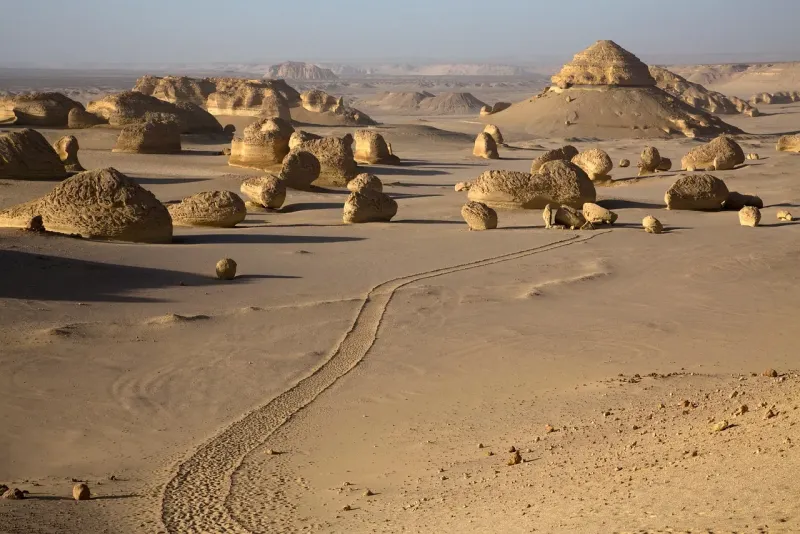
If you want landscape rather than monuments, Egypt's western desert is the draw. The chalk formations of the White Desert are among the most photographed scenes in the country, and camping under the stars is a highlight for many solo men. Desert travel is not something to do unguided: you need a licensed operator, a proper vehicle and proper supplies. Joining a small group keeps costs down and adds company, which is exactly what many solo travelers want out here.
Practical Planning for the Solo Traveler
Tickets, Discounts and Timing
Free entry applies to children under 6, Egyptian seniors 60+, Egyptians with special needs and orphaned children, per the Ministry of Tourism and Antiquities. As a foreign adult, you will pay the standard ticket. A student ticket requires a valid student ID and an age that does not exceed 24, per the Ministry's official ticketing service, so check whether you qualify before assuming you do.
Plan to arrive at least one hour before a site's closing time, as the ticketing service recommends. During Ramadan, sites and museums run reduced hours, published per site on the ticketing portal, so check the specific site before building a day around it. Official fees and hours are revised periodically, so confirm figures close to your travel date.
Photography
Photography with a mobile phone is free of charge at Ministry sites, per the Ministry's official ticketing service. Commercial, television or cinema filming needs prior permission. If you carry a camera or drone, ask at the entrance and check the rules for the specific site instead of assuming.
Choosing a Mix of Independence and Structure
The best solo itineraries blend both. Book guided days where logistics are hard, such as the desert or a long Cairo day. Leave free days for wandering. Our overview of solo travel in Egypt goes deeper on structuring a trip this way. For ideas on what is drawing visitors right now, see why travelers are choosing Egypt.
Cultural Etiquette for Men Traveling Alone
Dress and Behavior
Men have an easier time than women with dress codes, but modesty still earns goodwill. Long trousers and a shirt with sleeves are comfortable in the heat and respectful in mosques and villages. Shorts are common at beach resorts and widely tolerated at monuments, though they stand out in conservative neighborhoods. Remove your shoes in mosques, and avoid public displays of affection or loud drinking in non-resort areas.
Social Customs
Accepting tea is a courtesy, not a contract. You can usually drink it and leave without buying anything, though a polite decline is fine too. Greet people before asking a question. Use your right hand for eating and passing items. A modest tip, known locally as baksheesh, is customary for small services, so keep small notes handy. Friendliness opens doors faster than any amount of planning.
Frequently Asked Questions
Is Egypt safe for a man traveling alone?
Yes, Egypt is generally safe for solo men in the main tourist areas such as Cairo, Luxor and Aswan. The most common issues are touting, overcharging and petty theft rather than serious crime. Use common sense, fix prices in advance and stay within recommended visitor regions.
Will I be hassled constantly as a solo male traveler?
You will meet regular sales approaches at major sites, especially near ticket gates and markets. A calm "no, thank you" and a steady pace deals with most of it. Hassle tends to ease once you leave the busiest tourist spots.
Do I need to book a guided tour, or can I travel independently?
You can travel independently in cities and along the Nile, but desert trips should always go through a licensed operator. Many solo men mix both, booking guided days for logistics-heavy excursions and exploring freely the rest of the time.
Can I pay for monument tickets by card?
Not everywhere. Self-service machines at Giza accept bank cards for site tickets, per the Ministry of Tourism and Antiquities, but card acceptance is not guaranteed at every site. Carry Egyptian Pounds in cash as a backup.
How early should I arrive at a site?
Arrive at least one hour before the site's closing time, per the Ministry's official ticketing service. Ramadan hours are reduced and published per site, so check the specific site's hours before you go.
Is a Nile cruise a good option if I am traveling alone?
Yes, it is one of the easiest ways to travel solo in Egypt. You get company at meals and on excursions, guided visits to the temples, and a private cabin to retreat to. Dahabiya cruises suit those who prefer a smaller, quieter group.
Can I use my phone to take photos at monuments?
Yes. Photography with a mobile phone is free of charge at Ministry sites, per the Ministry's official ticketing service. Commercial, television or cinema filming requires prior permission.