

Safety in Egypt for Tourists 2026: Essential Travel Safety Tips, Risks, and Smart Strategies for Visiting Egypt
Safety in Egypt for tourists in 2026 is one of the most searched concerns for travelers planning to experience the pyramids, cruise the Nile, or explore the bustling bazaars of Cairo. Egypt continues to attract millions of visitors every year thanks to its unmatched ancient history, iconic landmarks, warm hospitality, and affordable travel experiences. Still, smart travelers naturally want to understand safety in Egypt for tourists before booking flights, packing bags, and stepping into one of the world’s most fascinating destinations.
The reality is that safety in Egypt for tourists has improved significantly over the past decade. The Egyptian government has heavily invested in tourism security, expanded tourist police units, improved airport screening, and strengthened surveillance around major attractions. Popular tourist areas such as Cairo, Giza, Luxor, Aswan, Sharm El Sheikh, and Hurghada operate under tight security systems designed specifically to protect visitors. As a result, millions of travelers safely visit Egypt every year without incident.
Still, understanding safety in Egypt for tourists in 2026 means being aware of common travel issues such as petty scams, aggressive vendors, transportation safety, and cultural norms. Like any global destination, Egypt rewards prepared travelers. Knowing where to go, how to move around safely, and how to interact respectfully with locals can transform a good trip into an unforgettable one.
This guide breaks down everything travelers need to know about safety in Egypt for tourists in 2026. From crime levels and tourist police to transportation safety, solo traveler precautions, and cultural awareness, these practical insights will help you explore Egypt confidently while enjoying its ancient wonders, vibrant cities, and legendary hospitality.
Is Egypt Safe for Tourists in 2026? Understanding Current Travel Safety Conditions
When discussing safety in Egypt for tourists in 2026, it’s important to look at the real travel environment rather than outdated perceptions. Egypt remains one of the most visited destinations in the Middle East and North Africa, and tourism authorities actively prioritize tourist safety. Major tourist hubs operate under enhanced security measures, including visible tourist police, controlled entry points, and monitored transportation routes.
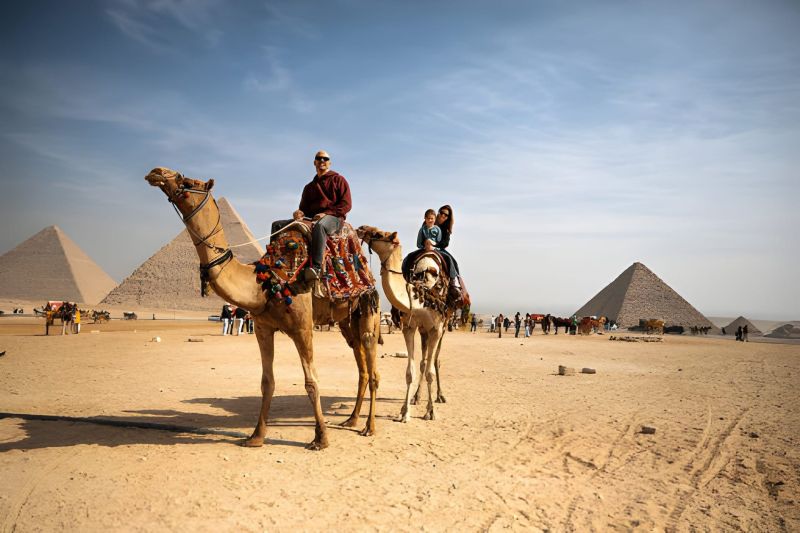
The majority of trips to Egypt are trouble‑free. Visitors explore famous attractions such as the Pyramids of Giza, the Grand Egyptian Museum, the Valley of the Kings, and Abu Simbel under organized tourism systems that prioritize safety in Egypt for tourists. Security checkpoints on highways connecting tourist cities are common, ensuring that travel routes remain monitored.
Petty issues like scams, pushy vendors, or inflated prices can occur in crowded tourist areas. However, these are typical challenges in many popular destinations worldwide. With basic awareness and simple precautions, safety in Egypt for tourists remains high, especially within established tourism zones.
Crime and Tourist Safety in Egypt: What Travelers Should Actually Expect
Crime affecting travelers is relatively low compared with many international tourist destinations. Violent crime targeting tourists is rare. Most concerns about safety in Egypt for tourists involve nonviolent annoyances such as overcharging, unofficial guides, or street vendors insisting on sales.
Tourists should stay aware in crowded markets like Khan El Khalili, where pickpocketing can occasionally occur. Keeping valuables secure, using cross‑body bags, and avoiding flashing cash can greatly improve safety in Egypt for tourists. Hotels, resorts, and cruise ships implement strict security checks, which further reinforces the safety environment.
Tourist Police and Security Measures Protecting Visitors in Egypt
One of the strongest elements supporting safety in Egypt for tourists is the country’s dedicated tourist police force. These officers operate specifically in tourism zones, archaeological sites, airports, and major hotels. Their role is to assist travelers, prevent scams, and respond quickly to issues affecting visitors.
Security presence is especially noticeable at attractions like the Pyramids of Giza, Luxor temples, and Red Sea resorts. Baggage screening, metal detectors, and patrol units are common. These layers of protection reinforce safety in Egypt for tourists and provide peace of mind while exploring historical sites.
Transportation Safety Tips for Traveling Around Egypt
Transportation plays a big role in safety in Egypt for tourists. While Egypt offers many travel options—including domestic flights, trains, taxis, and ride‑sharing apps—choosing reliable transportation is key. Ride‑hailing services such as Uber and Careem operate widely in Cairo and Alexandria and are often safer than negotiating with street taxis.
Tourist buses and organized tours remain one of the safest ways to visit multiple attractions. For longer distances between cities like Cairo, Luxor, and Aswan, domestic flights are both convenient and secure. Travelers focused on safety in Egypt for tourists should avoid unlicensed drivers and always confirm prices before entering taxis.
Cultural Awareness and Local Etiquette That Improves Tourist Safety
Respecting local culture can greatly enhance safety in Egypt for tourists. Egypt is a predominantly Muslim country with traditional social norms. Dressing modestly—especially in religious areas—helps travelers avoid unwanted attention and demonstrates cultural respect.
Simple etiquette also strengthens safety in Egypt for tourists. Greeting locals politely, asking permission before photographing people, and declining persistent sales with a friendly but firm response all help maintain positive interactions. Most Egyptians are welcoming and eager to share their culture with respectful visitors.
Common Scams Travelers Should Know About in Egypt
Understanding common tourist scams is an important part of safety in Egypt for tourists. Some vendors near popular attractions may offer “free gifts” or photo opportunities, then demand payment afterward. Others might claim a site is closed and offer to guide you somewhere else for a fee.
Travelers focused on safety in Egypt for tourists should politely decline unsolicited offers and rely on official ticket counters or licensed guides. Negotiation is common in Egyptian markets, so bargaining with confidence helps prevent overpaying. When unsure, walking away is often the best strategy.
Safety in Egypt for Solo Travelers and Female Tourists
Solo travelers frequently visit Egypt, and many report positive experiences. However, safety in Egypt for tourists traveling alone requires awareness. Female travelers may receive more attention in busy areas, which is typically verbal rather than threatening.
Practical strategies can improve safety in Egypt for tourists traveling solo. Wearing modest clothing, avoiding isolated streets at night, and using reputable transportation services can significantly reduce unwanted interactions. Joining guided tours for certain attractions can also increase comfort and security.
Health and Emergency Preparedness for Tourists in Egypt
Health considerations also play a role in safety in Egypt for tourists. Travelers should drink bottled water, use sunscreen in desert climates, and stay hydrated—especially during summer months when temperatures can exceed 40°C (104°F).
Major cities have modern hospitals and clinics, and many hotels can assist with medical services. Travel insurance is strongly recommended to support safety in Egypt for tourists in case of medical emergencies, trip disruptions, or lost belongings.
Smart Safety Tips for Visiting Egypt’s Top Tourist Destinations
Iconic locations such as Cairo, Luxor, Aswan, and the Red Sea resorts are well prepared for international visitors. Following simple travel habits strengthens safety in Egypt for tourists across all regions.
Stay in reputable hotels, book tours through trusted companies, keep copies of travel documents, and avoid political gatherings or protests. These straightforward steps help ensure safety in Egypt for tourists while allowing travelers to fully enjoy temples, museums, desert landscapes, and coral reefs.
FAQs About Safety in Egypt for Tourists 2026
Is Egypt safe for tourists in 2026?
Yes, safety in Egypt for tourists in 2026 is generally strong, particularly in established tourist destinations such as Cairo, Luxor, Aswan, and Red Sea resorts. Security forces, tourist police, and controlled access to attractions make travel in these areas safe for millions of visitors each year.
What are the biggest safety concerns for tourists in Egypt?
The most common issues related to safety in Egypt for tourists involve minor scams, aggressive street vendors, or inflated prices rather than violent crime. Staying alert in crowded areas and using licensed guides or transportation helps minimize these risks.
Is it safe for women to travel to Egypt?
Female travelers can safely visit Egypt with sensible precautions. Dressing modestly, avoiding isolated areas at night, and using reputable transport services all support safety in Egypt for tourists, including solo female visitors.
Are tourist attractions in Egypt heavily secured?
Yes, major sites are protected by tourist police, surveillance systems, and security checkpoints. These measures significantly strengthen safety in Egypt for tourists visiting landmarks like the Pyramids of Giza, Luxor temples, and major museums.
How can travelers stay safe while exploring Egypt?
To maintain safety in Egypt for tourists, travelers should use trusted tour operators, keep valuables secure, respect local customs, and stay aware of surroundings in busy markets. With these simple precautions, Egypt remains a rewarding and safe destination to explore.