

What It’s Like To Celebrate Ramadan In Egypt: A Journey Through Tradition, Culture, and Spirituality
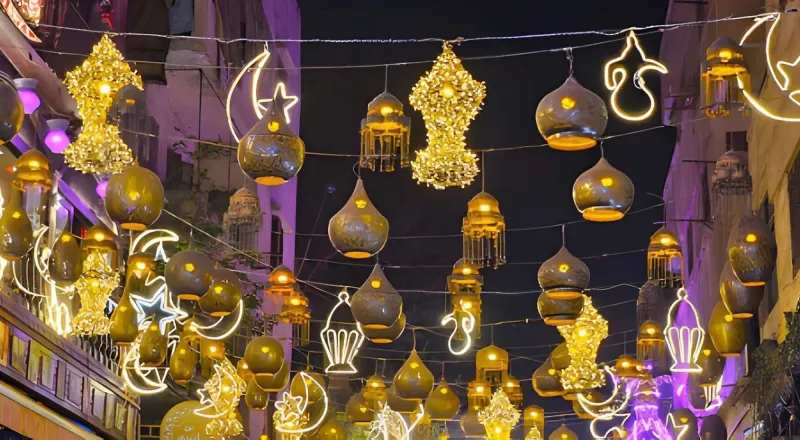
Every year, as the crescent moon ushers in the holy month of Ramadan, Egypt undergoes a magical transformation that enchants both locals and travelers. The energy in the streets shifts, lanterns known as “fanoos” illuminate alleyways, and the aroma of traditional Egyptian dishes drifts through the air. Ramadan in Egypt is more than a religious observance; it is a tapestry woven from centuries of tradition, hospitality, and community spirit. Whether you’re a first-time visitor or a seasoned explorer, experiencing Ramadan here offers a profound window into Egyptian culture and daily life.
From the bustling markets of Cairo to the tranquil banks of the Nile, the country pulses with a unique blend of reverence and festivity. As the sun sets, families gather for iftar, the evening meal that breaks the fast, sharing laughter and stories over tables brimming with delicacies. The rhythm of life slows during the day, only to burst into vibrant celebration at night. For travelers, this is a rare opportunity to witness Egypt’s warm hospitality, savor authentic cuisine, and join in communal traditions that foster a deep sense of belonging. If you’re seeking to understand the heart of Egypt beyond its ancient wonders, Ramadan offers an immersive cultural journey unlike any other. To make the most of your visit, consider planning your trip with insights from guides such as how to visit Egypt during peak season without crowds, ensuring a seamless and memorable adventure.
Understanding the Spiritual Significance of Ramadan in Egypt
Ramadan is the ninth month of the Islamic lunar calendar, observed by Muslims worldwide as a period of fasting, prayer, and reflection. In Egypt, the spiritual essence of Ramadan is palpable. The call to prayer echoes through ancient minarets, and the faithful gather in mosques for Taraweeh prayers, seeking spiritual renewal. Fasting from dawn to sunset is not simply an act of abstaining from food and drink; it is a time for self-discipline, compassion, and gratitude. Egyptians embrace this month as an opportunity to deepen their faith, strengthen family bonds, and extend generosity to those in need.
Throughout Ramadan, charity is a cornerstone of daily life. Many Egyptians participate in “Mawaed al-Rahman,” communal tables set up in neighborhoods to offer free meals to the less fortunate. This spirit of giving is woven into the fabric of Egyptian society, creating a sense of unity that transcends social boundaries. For travelers, witnessing these acts of kindness provides a deeper understanding of the values that shape Egypt’s vibrant culture. If you’re interested in exploring how other festivals and events reflect Egypt’s diverse traditions, discover more in festivals & events in Egypt throughout the year.
The Unique Atmosphere of Egyptian Cities During Ramadan
Daytime Serenity and Nighttime Festivities
During Ramadan, Egyptian cities take on a dual character. Daytimes are marked by a serene calm as many locals conserve energy and focus on spiritual pursuits. Shops and cafes open later, and the usually bustling streets are quieter, offering a rare glimpse into the unhurried pace of traditional Egyptian life. However, as sunset approaches, anticipation builds. The firing of the “midfa’ al iftar” (cannon) signals the end of the day’s fast, and a wave of excitement ripples through the city.
After iftar, Egypt awakens with newfound vitality. Streets fill with families and friends strolling beneath strings of colorful lanterns, while cafes and dessert shops buzz with laughter and conversation. Ramadan tents, known as “khaimat Ramadan,” spring up across Cairo and Alexandria, offering live music, games, and traditional performances. For those curious about navigating Egypt’s vibrant markets and nighttime scenes, reading a beginner’s guide to haggling in Egyptian markets can enhance your experience and help you connect with local culture.
Iconic Ramadan Decorations and Traditions
One of the most enchanting aspects of Ramadan in Egypt is the visual spectacle that transforms every neighborhood. The fanoos lanterns, a symbol of Ramadan, adorn balconies, shops, and mosques, casting a warm glow that invites both locals and visitors to celebrate together. Children often parade through the streets, singing traditional songs and carrying their own lanterns, creating a joyful atmosphere that is both nostalgic and welcoming.
Decorative banners, intricate lighting displays, and pop-up food stalls selling dates, qatayef, and konafa add to the festive ambiance. For travelers, simply wandering through the illuminated streets after sunset is an experience in itself, offering countless opportunities for photography and cultural immersion. If you’re planning to visit Egypt during the hotter months, consider tips from how to travel Egypt during the summer heat to ensure a comfortable and enjoyable Ramadan adventure.
Experiencing Iftar and Suhoor: Egypt’s Culinary Heritage
The Ritual of Breaking the Fast
Iftar, the meal that breaks the daily fast, is a cherished ritual in Egyptian households. As the sun dips below the horizon, families gather around lavishly set tables to share traditional dishes such as ful medames (stewed fava beans), mahshi (stuffed vegetables), and molokhia (jute leaf stew). The meal typically begins with dates and a glass of cool hibiscus or tamarind juice, followed by a hearty spread that reflects Egypt’s rich culinary heritage.
Restaurants and hotels across Egypt offer special iftar menus during Ramadan, inviting travelers to savor authentic flavors in a festive setting. Many establishments also host communal iftars, where locals and visitors dine together, fostering a sense of community and cultural exchange. To explore how celebrations continue after Ramadan, read about what it’s like to visit Egypt during Eid for insights into the joyful festival that marks the end of the holy month.
Late-Night Suhoor and Social Gatherings
Suhoor, the pre-dawn meal before the fast resumes, is equally significant in Egyptian culture. Often enjoyed with family and friends, suhoor is an opportunity to share lighter dishes such as cheese, eggs, and baladi bread, accompanied by tea or yogurt drinks. Many cafes and restaurants remain open late into the night, hosting live music and entertainment that draw crowds seeking to make the most of Ramadan’s social spirit.
The lively suhoor gatherings are a testament to Egypt’s enduring hospitality. Travelers are welcomed with open arms, invited to join in conversations and sample homemade treats. For those exploring Cairo’s historic districts, a stroll through Khan Al-Khalili at night reveals a mesmerizing blend of tradition and modernity. To navigate this famous bazaar with confidence, consult how to avoid tourist scams in Khan Al-Khalili for expert advice.
Tips for Travelers: Embracing Ramadan in Egypt Respectfully
Cultural Etiquette and Local Customs
Visiting Egypt during Ramadan offers a unique opportunity to engage with local traditions, but it’s important to approach the experience with sensitivity and respect. Non-Muslim travelers are not required to fast, but eating, drinking, or smoking in public during daylight hours is generally discouraged out of consideration for those observing the fast. Many restaurants cater to tourists with discreet indoor dining options during the day.
Dressing modestly is especially appreciated during Ramadan, particularly when visiting religious sites or participating in communal events. Engaging in friendly conversation and expressing curiosity about the customs of Ramadan is welcomed, and Egyptians are often delighted to share their traditions with visitors. For an overview of Egypt’s cultural calendar and how Ramadan fits within it, explore festivals & events in Egypt throughout the year.
Making the Most of Your Ramadan Experience
To fully immerse yourself in the Ramadan atmosphere, consider adjusting your daily schedule to align with local rhythms. Plan sightseeing and excursions in the morning or late afternoon, when the weather is cooler and the city begins to stir. Reserve evenings for exploring markets, attending cultural events, and enjoying iftar or suhoor with locals. Many museums and attractions run reduced hours during Ramadan, so check the published times for each site before you go.
Above all, embrace the spirit of patience, generosity, and gratitude that defines Ramadan in Egypt. Whether you’re sharing a meal with a local family, admiring the glow of lanterns, or simply soaking in the festive ambiance, you’ll find that the magic of this holy month leaves a lasting impression long after your journey ends. For additional tips on navigating Egypt’s dynamic travel landscape, review how to visit Egypt during peak season without crowds for expert recommendations.
Conclusion: The Lasting Allure of Ramadan in Egypt
Celebrating Ramadan in Egypt is an invitation to witness the country at its most authentic and welcoming. The blend of spiritual devotion, communal joy, and rich cultural traditions creates an experience that is both deeply moving and endlessly captivating. For travelers seeking to connect with Egypt’s soul, Ramadan offers a rare glimpse into the values that unite its people and the rituals that have endured for generations.
Whether you’re wandering lantern-lit streets, savoring a home-cooked iftar, or joining in late-night festivities, you’ll discover that the true beauty of Ramadan lies in its power to bring people together. As you plan your next adventure, let the spirit of Egypt’s holy month inspire you to explore, connect, and celebrate in ways that will stay with you forever. For more insights on traveling Egypt year-round, be sure to consult how to travel Egypt during the summer heat and a beginner’s guide to haggling in Egyptian markets to enrich your journey.