

The Citadel of Qaitbay
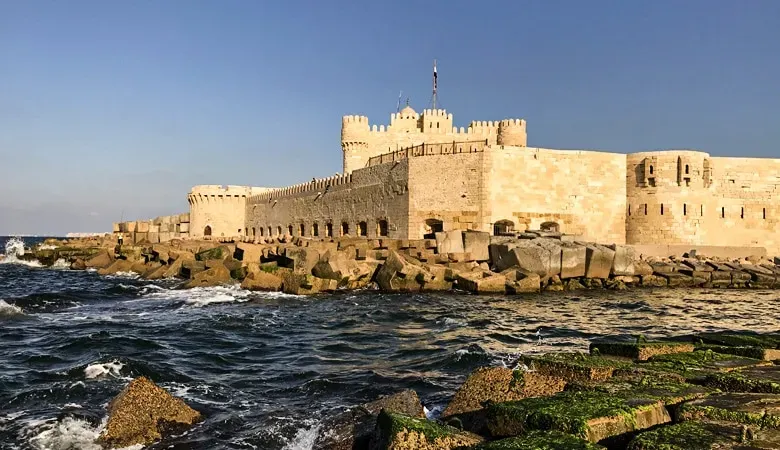
The Citadel of Qaitbay: Egypt's Timeless Fortress of the Mediterranean
Standing proudly on the edge of Alexandria’s eastern harbor, the Citadel of Qaitbay is more than just an architectural marvel—it’s a living testament to Egypt’s maritime legacy and a symbol of resilience. Built in 1477 AD by Sultan Al-Ashraf Sayf al-Din Qaitbay, this fortress was designed to defend the coastline from looming Ottoman and European invasions. Overlooking the Mediterranean Sea, the citadel occupies the very site where the legendary Pharos Lighthouse of Alexandria once stood—one of the Seven Wonders of the Ancient World. Today, it’s one of the top attractions in Alexandria City and an essential stop for travelers eager to touch the pulse of Egypt’s coastal heritage.
The Citadel of Qaitbay isn’t just a fortress; it’s an intricate blend of history, culture, and artistry. Its strategic position allowed it to serve as both a bastion of defense and a symbol of Mamluk power. Walking through its massive stone walls, visitors can almost hear the echoes of soldiers guarding Egypt’s northern frontier centuries ago. The structure showcases the quintessential Mamluk military architecture—high towers, narrow corridors, and solid stone battlements—all blending harmoniously with the sea breeze and the rhythmic crash of waves. As one gazes across the blue expanse of the Mediterranean, the majesty of Qaitbay’s Citadel becomes an immersive journey into Egypt’s glorious past.
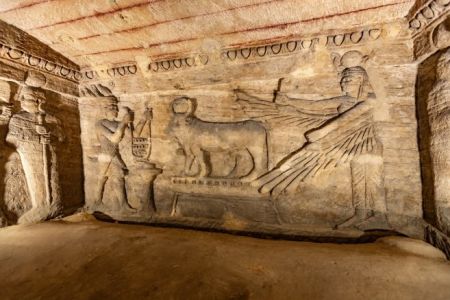
Modern visitors often combine a visit to this citadel with a stop at nearby landmarks such as the Library of Alexandria, the Catacombs of Kom El Shoqafa, and the scenic Stanley Bridge. Together, these attractions tell the story of a city where ancient brilliance meets modern charm. Whether you’re a history buff, a photographer, or simply a lover of the sea, the Citadel of Qaitbay promises a mesmerizing experience unlike any other in Egypt.
Historical Background of the Citadel of Qaitbay
The Citadel of Qaitbay was commissioned by Sultan Qaitbay, one of the most powerful Mamluk rulers, as a coastal defense fortress. Its location on the ruins of the ancient Pharos Lighthouse was deliberate, ensuring that the strategic significance of this spot remained unbroken through the centuries. Built using sturdy limestone blocks—some believed to be remnants of the collapsed lighthouse—the fortress represented both continuity and protection. Qaitbay’s motivation was clear: safeguard Egypt’s Mediterranean gateway from potential naval attacks while asserting Mamluk dominance over the seas.
During the Ottoman era, the fortress was maintained and occasionally modified to accommodate cannons and more modern artillery. Later, under Muhammad Ali’s rule in the 19th century, the citadel underwent restoration and served briefly as a naval base. Even the French invasion of Egypt under Napoleon’s campaign left its mark here, showcasing how the fortress remained relevant across ages. Today, visitors can still explore the layers of history hidden within its limestone walls, each telling a story of power, defense, and adaptation.
Architecture and Design of the Citadel of Qaitbay
The architectural brilliance of the Citadel of Qaitbay lies in its symmetry and defensive design. The fortress adopts a rectangular plan, fortified by massive walls and circular towers at its corners. The main entrance, ornate yet imposing, opens into a courtyard surrounded by chambers that once housed soldiers, weapons, and supplies. The inner keep rises majestically at the center, symbolizing power and authority. Every stone, archway, and passageway reveals the meticulous craftsmanship characteristic of Mamluk builders.
The citadel’s thick walls, some reaching more than four meters in width, were designed to withstand heavy cannon fire. Strategically placed slits allowed archers and gunners to defend the harbor without exposing themselves. The upper terrace offers breathtaking panoramic views of the harbor and sea—a vantage point that once served to monitor enemy fleets and today provides photographers with one of Alexandria’s most iconic viewpoints. Visitors often pair this experience with tours such as Egypt Excursions and coastal explorations for a well-rounded adventure.
The Citadel’s Connection to the Pharos Lighthouse
What makes the Citadel of Qaitbay truly fascinating is its direct link to the legendary Pharos Lighthouse of Alexandria. The Pharos, built during the reign of Ptolemy II, was one of the tallest and most advanced structures in the ancient world, guiding sailors safely into Alexandria’s harbor. After centuries of earthquakes reduced it to ruins, Sultan Qaitbay recognized the site’s enduring significance and chose to build his fortress upon its remains. In fact, many of the lighthouse’s blocks were reused in the citadel’s construction, blending ancient wonder with medieval strength.
Standing on the same ground where the Pharos once dominated the skyline, visitors can sense the continuity of Alexandria’s maritime heritage. The citadel is thus both a fortress and a memorial, connecting ancient Greek innovation with Islamic architecture. Those enthralled by the city’s layered history often continue to explore nearby sites like the Montazah Palace and the Serapeum of Alexandria.
Strategic Role in Egypt’s Defense
The citadel’s location at the entrance of the Eastern Harbor made it a frontline defense post. During the Mamluk period, Alexandria was vulnerable to European naval powers, particularly the Ottomans and Venetians. The Citadel of Qaitbay’s strategic design allowed Egyptian forces to monitor sea traffic and control access to one of the Mediterranean’s most bustling ports. It also served as a signal station, warning the city of impending threats. The fortress’s defensive systems were ahead of their time, combining traditional fortifications with emerging artillery technology.
The defensive significance continued through successive centuries. Even during the 18th and 19th centuries, the fortress played a defensive role under Ottoman and Egyptian rule. Later, as coastal threats diminished, it transformed into a historical monument, capturing the imagination of architects, artists, and historians worldwide. Today, it still stands as a proud emblem of Egypt’s enduring military ingenuity and is frequently included in Egypt Travel Packages exploring the northern coast.
Exploring the Citadel of Qaitbay Today
Visiting the Citadel of Qaitbay is an experience that merges history, architecture, and stunning natural scenery. As you step through its arched entrance, the scent of saltwater mingles with the echoes of history. The inner chambers showcase a small museum displaying marine artifacts and restored weaponry, giving visitors a glimpse into Egypt’s naval heritage. Climbing to the upper levels rewards you with sweeping views of the Mediterranean Sea, the harbor, and Alexandria’s skyline—a sight that leaves visitors awe-struck.
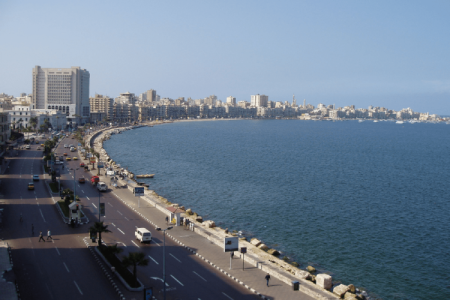
Many travelers find the citadel’s surroundings equally captivating. The nearby Corniche offers a picturesque promenade lined with seafood restaurants, local cafes, and street vendors selling traditional crafts. The site becomes particularly magical at sunset when golden light bathes the fortress walls, creating a postcard-perfect moment. For those seeking deeper cultural experiences, tours of nearby landmarks like the Alexandria Bibliotheca or even multi-day Egypt Vacations Packages provide the perfect addition to your historical journey.
Travel Tips for Visiting the Citadel of Qaitbay
The Citadel of Qaitbay is open to visitors year-round, but the best time to explore it is during the cooler months between October and April. Early mornings and late afternoons offer softer lighting for photography and a more comfortable breeze. The site is easily accessible from central Alexandria by taxi or local transportation. Entry fees are modest, making it an affordable yet enriching cultural experience for travelers of all budgets.
To make the most of your visit, wear comfortable footwear, carry water, and allow at least two hours to fully explore the fortress and its surroundings. Don’t forget to walk along the harbor walls for a closer view of the sea and watch local fishermen casting their nets—a tradition that hasn’t changed for centuries. Combining your visit with other landmarks or even a scenic day trip adds dimension to your experience—especially with guided options such as Cairo Day Tours or coastal adventures.
Interesting Facts About the Citadel of Qaitbay
Few people realize that beneath the citadel’s foundations lie remnants of the ancient Pharos Lighthouse. Archaeological studies have uncovered underwater stone blocks believed to be part of the original lighthouse structure. The fortress also served as a prison during certain periods, housing both political prisoners and captured invaders. Its walls have survived countless earthquakes, invasions, and renovations, making it one of the best-preserved medieval fortresses on the Mediterranean coast.
Interestingly, the citadel’s construction marked a turning point in the evolution of Islamic military architecture. It combined elements inspired by Crusader castles with traditional Mamluk designs—a rare architectural synthesis. Today, it continues to inspire restoration specialists and historians who study the resilience and adaptability of Mamluk-era structures.
Frequently Asked Questions About the Citadel of Qaitbay
1. Where is the Citadel of Qaitbay located?
The Citadel of Qaitbay is located at the entrance of Alexandria’s Eastern Harbor, on the exact site of the ancient Pharos Lighthouse. Its position provides panoramic views of the Mediterranean Sea and the city’s coastline.
2. Who built the Citadel of Qaitbay and when?
The fortress was built in 1477 AD by Sultan Al-Ashraf Sayf al-Din Qaitbay, a Mamluk ruler known for his architectural patronage and military reforms. The citadel was part of his broader effort to strengthen Egypt’s coastal defenses.
3. What is the main purpose of the Citadel of Qaitbay?
Originally, the citadel served as a defensive fortress to protect Egypt’s northern shores from naval attacks. Over time, it also functioned as a garrison, a prison, and later a historical monument reflecting Egypt’s maritime past.
4. Can visitors enter and explore the Citadel of Qaitbay?
Yes, visitors can explore various parts of the citadel, including the courtyard, upper terraces, and museum sections. It’s open to the public daily, and guided tours are available for those seeking in-depth historical context.
5. What attractions are near the Citadel of Qaitbay?
Nearby attractions include the Library of Alexandria, the Montazah Palace, and the Stanley Bridge. Together, these sites showcase Alexandria’s unique blend of ancient history and modern beauty.
Conclusion: Why the Citadel of Qaitbay Is a Must-See in Alexandria
The Citadel of Qaitbay stands as both a historical guardian and a coastal masterpiece, blending the legacies of the ancient and medieval worlds. It’s a place where one can feel the whispers of history carried by the sea breeze—a fortress that has seen empires rise and fall yet continues to defy time. Visiting this citadel is more than sightseeing; it’s an encounter with Egypt’s enduring soul and a journey into the essence of Alexandria’s maritime identity. For travelers seeking meaningful cultural experiences, the Citadel of Qaitbay remains a jewel of the Mediterranean and a true icon of Egypt’s historic grandeur.





Our Partners
Our Awesome Partners