

The Blue Hole of Dahab
The Enigmatic Blue Hole of Dahab: Egypt’s Underwater Cathedral of Wonder
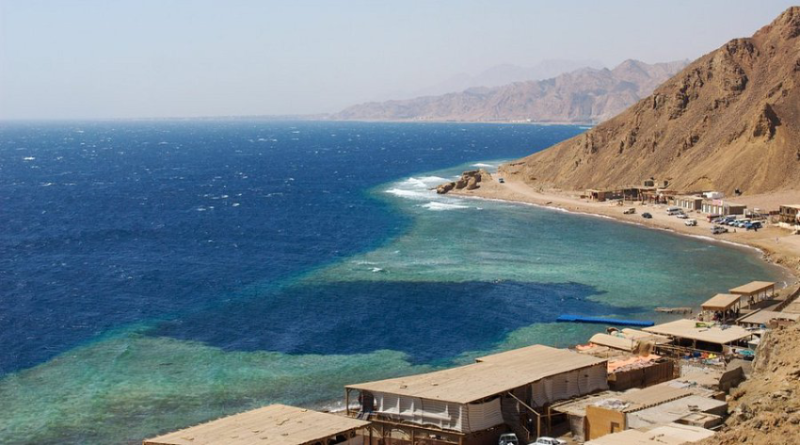
Cradled along the sun-soaked coast of the Sinai Peninsula, the Blue Hole of Dahab stands as one of the most mesmerizing and mysterious natural formations on Earth. This world-renowned diving site, often dubbed “the diver’s Everest,” lures thrill-seekers, scientists, and wanderers from every corner of the globe. With its cobalt depths, breathtaking marine biodiversity, and haunting beauty, the Blue Hole of Dahab captures both respect and fascination in equal measure. It's located just a few kilometers north of the laid-back town of Dahab Egypt, a former Bedouin fishing village turned bohemian paradise. The allure of its tranquil charm contrasts vividly with the adrenaline-charged dive experiences that unfold beneath the waves.
Stretching down approximately 100 meters, the Blue Hole isn’t merely a sinkhole—it’s a geological and ecological marvel. It’s a vertical portal into another world, where sunlight shimmers through crystalline layers of water, illuminating coral gardens and labyrinthine tunnels. Yet, beyond its undeniable beauty, this site demands respect; the Blue Hole’s allure lies in its delicate balance between enchantment and danger. Experienced divers are drawn to its legendary “Arch,” a submerged tunnel connecting the Blue Hole to the open Red Sea—a challenge that tests precision, skill, and nerve.
From an SEO traveler’s perspective, the Blue Hole of Dahab is an essential highlight for anyone curating Egypt Travel Packages. It offers a blend of natural wonder, aquatic adventure, and cultural depth that few destinations can match. Whether you’re a professional diver, a marine biologist, or a curious adventurer, the experience of descending into this underwater realm is unforgettable—a surreal encounter with the heart of the Red Sea itself.
Geological Origins of the Blue Hole of Dahab
The formation of the Blue Hole of Dahab is rooted in the geological evolution of the Sinai Peninsula. Carved over millennia, this underwater sinkhole owes its existence to tectonic shifts and the slow erosion of limestone by ancient seawater. The result? A near-perfect circular opening, with steep walls that plunge dramatically into the abyss. The vibrant corals clinging to the walls contrast beautifully against the deep indigo void, creating a natural masterpiece that feels otherworldly. The surrounding reefs, teeming with marine life, are living testimonies to the Red Sea’s ecological richness.
Scientists and divers alike have long studied the structure, fascinated by its unique hydrological characteristics. The layering of water—ranging from warm, oxygen-rich surface currents to cold, dense streams below—creates distinct zones of life. In many ways, exploring the Blue Hole is a descent through time itself, each meter revealing a new era of the ocean’s story. For those interested in adventure beyond diving, nearby attractions like Ras Mohammed National Park complement the experience with even more marine wonders.
Diving into the Depths: A Challenge of Skill and Spirit
The Blue Hole of Dahab is both an underwater wonderland and a proving ground for divers. While the upper layers welcome beginners with calm waters and jaw-dropping visibility, the deeper zones attract technical divers seeking to conquer the legendary “Arch.” Connecting the Blue Hole to the open sea at about 56 meters deep, this passage is shrouded in both fascination and cautionary tales. It’s a place where discipline meets daring—where precise buoyancy control, gas management, and experience determine success.
The diving conditions are almost surreal. From the moment you descend, you’re enveloped in a cathedral-like silence, broken only by the rhythmic sound of your own breathing. Rays of sunlight pierce through the water, illuminating schools of butterflyfish, angelfish, and parrotfish. Occasionally, a curious turtle glides by, adding to the enchantment. For those planning broader adventures across the country, pairing a visit here with a serene journey on Egypt Nile Cruises offers a perfect balance between desert, river, and sea.
Marine Biodiversity in the Blue Hole Ecosystem
Beneath its surface, the Blue Hole of Dahab teems with marine life. The coral walls serve as habitats for countless species—soft corals sway like underwater gardens, while sponges and anemones paint the seabed in vivid hues. Divers often spot lionfish hovering gracefully, moray eels peeking from crevices, and darting anthias forming clouds of color. The ecosystem thrives despite the Blue Hole’s unusual vertical isolation, sustained by nutrient-rich currents that periodically flow from the open Red Sea.
Marine photographers find this site irresistible. Every frame tells a story of balance and adaptation, of life flourishing in a seemingly inhospitable void. The biodiversity here rivals even the famed reefs of Sharm El Sheikh, making it a must-see for anyone exploring Red Sea Egypt tours. Each dive offers a new perspective—one moment you’re surrounded by the delicate stillness of coral formations, the next, you’re enveloped in the dramatic solitude of the deep.
Legends, Mysteries, and the Reputation of the Blue Hole
Over the years, the Blue Hole of Dahab has acquired a legendary reputation. It’s often called the “World’s Most Dangerous Dive Site,” not because of inherent hostility, but due to human overconfidence and underestimation of its depth. Divers who push limits without training risk disorientation—a phenomenon known as nitrogen narcosis. These cautionary tales have only added to its mystique, transforming the Blue Hole into both a place of reverence and curiosity. It’s not uncommon to hear divers speak of it in hushed tones, describing moments of awe and transcendence beneath its shimmering surface.
Local Bedouin communities, who’ve lived near Dahab for generations, have their own stories about the Blue Hole. Some believe it’s guarded by ancient spirits; others see it as a sacred reminder of nature’s power. Regardless of the tales, one thing’s certain—the Blue Hole commands respect. Travelers who wish to explore it safely can join expert-led Egypt Excursions that prioritize both enjoyment and safety, ensuring every dive becomes a memory etched in saltwater and sunlight.
How to Visit the Blue Hole of Dahab
Reaching the Blue Hole is relatively easy. From Dahab town, a short camel ride or drive along the coastal road brings you to this iconic diving hub. The site features a relaxed beachside vibe, with rustic cafés serving mint tea and dive shops offering full gear rentals. Most diving centers in Dahab provide guided dives, ensuring you explore the Blue Hole responsibly. For those who prefer to stay dry, snorkeling near the reef’s edge still delivers a kaleidoscope of marine life and stunning underwater views.
Visitors often combine their Dahab adventure with desert explorations, such as Egypt Desert Tours, where they can experience the silence of the Sinai sand dunes. This dynamic combination of sea and desert captures the essence of Egypt—a land of contrast, history, and endless exploration. The calm atmosphere of Dahab also makes it an ideal retreat for travelers seeking authentic connection, yoga retreats, and eco-conscious tourism experiences.
Best Time to Dive in the Blue Hole
The Blue Hole of Dahab welcomes divers year-round, but the best conditions occur between March and June, and again from September to November. During these months, the water remains warm and visibility peaks at 30 meters or more. The gentle currents allow even beginners to enjoy safe, mesmerizing dives. The summer months, though warmer, attract advanced divers seeking to experience the site in solitude. Each season brings subtle changes—the light patterns, marine activity, and water color all shift, creating a new experience with every visit.
For travelers designing comprehensive itineraries, it’s easy to combine a Dahab dive trip with cultural excursions to landmarks like the Great Pyramids of Giza or a serene cruise down the Nile River. This fusion of ancient heritage and modern adventure ensures your Egyptian journey is nothing short of extraordinary.
Preservation Efforts and Sustainable Tourism
In recent years, conservationists and dive operators have collaborated to protect the Blue Hole’s fragile ecosystem. Regulations now limit the number of divers at specific times, while awareness campaigns educate visitors about coral preservation. The local community plays a vital role in these efforts, balancing tourism with environmental stewardship. Sustainable diving practices—such as avoiding contact with coral and minimizing plastic waste—ensure that future generations can enjoy this natural masterpiece in its pristine form.
Eco-conscious travelers can also explore nearby destinations like Siwa Oasis and the White Desert of Egypt, both offering equally breathtaking yet sustainable experiences. The Blue Hole, in this context, symbolizes not just the mystery of the deep but also the responsibility we share in preserving nature’s delicate harmony.
Frequently Asked Questions about the Blue Hole of Dahab
What makes the Blue Hole of Dahab so famous?
Its near-perfect circular shape, incredible depth, and mystical beauty make the Blue Hole of Dahab world-famous. It’s one of the best-known dive sites globally, offering both serene snorkeling zones and technically challenging deep dives. Its “Arch” dive is particularly legendary among experienced divers.
Is the Blue Hole of Dahab safe for beginners?
Yes, the upper reef area is perfectly safe for beginners, provided they follow professional guidance. The danger lies in deep, technical dives below recreational limits. Partnering with certified instructors ensures a rewarding and secure experience.
How deep is the Blue Hole of Dahab?
The Blue Hole plunges to around 100 meters, but most recreational divers explore depths between 10 and 30 meters. The Arch connecting it to the open sea begins at approximately 56 meters, accessible only to trained technical divers.
What marine life can I see at the Blue Hole?
Divers encounter a vibrant array of marine species, including butterflyfish, lionfish, parrotfish, moray eels, and occasionally sea turtles. The surrounding coral garden showcases soft corals, sponges, and sea fans that color the underwater landscape.
When is the best time to visit the Blue Hole of Dahab?
The most favorable months are March through June and September through November, offering perfect water temperatures and optimal visibility. These periods also provide calm weather and fewer crowds, enhancing the dive experience.


Our Partners
Our Awesome Partners