
The Nile River
The Timeless Majesty of the Nile River: Lifeline of Egypt and Cradle of Civilization
The Nile River, the world’s longest river, flows like a golden thread weaving through the pages of human history. Stretching over 6,650 kilometers from the heart of Africa to the Mediterranean Sea, the Nile stands as the very essence of Egypt’s identity. It’s not merely a river; it’s a living legacy, a source of life, and a keeper of stories written across millennia. For countless generations, the Nile has shaped landscapes, inspired myths, and nurtured civilizations that defined the ancient world. Along its fertile banks rose temples, towns, and dynasties that still captivate travelers and scholars alike. The Nile River, with its shimmering flow through deserts and cities, remains Egypt’s beating heart — a natural wonder that continues to define life, culture, and economy.
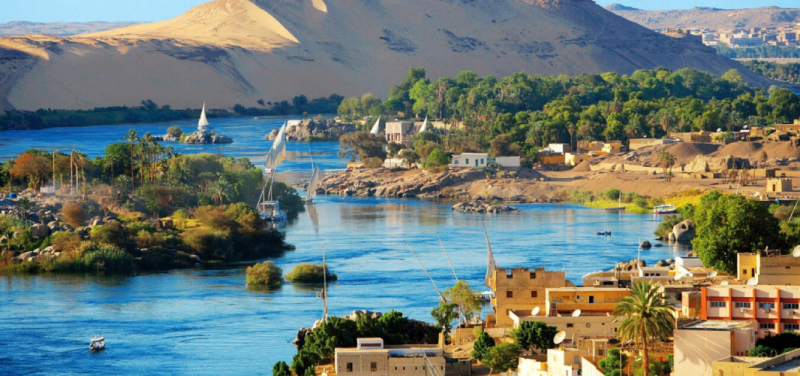
From the misty equatorial lakes of Uganda to the sun-drenched delta in northern Egypt, the Nile River sustains an intricate ecosystem. It’s no exaggeration to say that without the Nile, there would be no Egypt. Ancient Egyptians called it ‘Iteru,’ or the Great River, worshipping its floods as divine gifts from the gods. Even today, its waters fuel agriculture, trade, and tourism, keeping Egypt’s heritage alive. The Nile River offers an enchanting blend of natural beauty and cultural depth — its banks dotted with ancient temples like Temple of Philae and colossal monuments like Abu Simbel temples. Cruising along its tranquil current, travelers witness scenes that haven’t changed in thousands of years — farmers tending fields, children playing by the shore, and feluccas sailing gracefully into the sunset.
As Egypt’s lifeblood, the Nile has been the center of myth, science, and exploration. Its mysterious sources puzzled ancient geographers, while modern explorers risked everything to trace its origins. Today, the Nile continues to fascinate not only historians and archaeologists but also travelers seeking to experience Egypt’s soul. Whether through a luxurious voyage like Egypt Nile Cruises or a cultural expedition through Egypt Excursions, the Nile River remains the ultimate gateway to understanding Egypt — past, present, and future.
The Geography and Origins of the Nile River
The Nile’s journey spans eleven countries, including Uganda, Sudan, and Egypt. It consists of two major tributaries — the White Nile, which begins at Lake Victoria, and the Blue Nile, originating from Lake Tana in Ethiopia. These two mighty streams converge near Khartoum, Sudan, forming the river that breathes life into the Egyptian landscape. Flowing northward through arid deserts, the Nile transforms barren lands into lush oases of fertility. Its annual flooding once deposited nutrient-rich silt, ensuring Egypt’s agricultural prosperity for millennia — a process that ancient farmers celebrated as divine intervention.
The Nile Delta, a vast fan-shaped region stretching into the Mediterranean, is among the most fertile lands on Earth. This region supports nearly half of Egypt’s population, providing abundant harvests of wheat, cotton, sugarcane, and vegetables. The river’s flow also sustains vital wetlands that are home to countless bird species, fish, and crocodiles. For modern travelers drawn to explore the wonders of this geography, Egypt Travel Packages often include scenic journeys following the Nile’s course from Aswan to Cairo.
The Nile’s Role in Ancient Egyptian Civilization
For the ancient Egyptians, the Nile wasn’t just a river — it was the foundation of existence. Every aspect of their lives revolved around its waters. The predictable flooding cycles determined farming seasons, influenced religion, and guided architecture. The river’s course defined settlement patterns, while its banks became home to monumental structures like the Luxor Temple and Karnak Temple. Ancient priests meticulously recorded the river’s behavior, linking it to celestial events and the favor of gods like Hapi — the god of the Nile’s inundation.
Trade flourished along the Nile, connecting Upper and Lower Egypt and facilitating cultural exchange. Its banks became a highway for transporting limestone, granite, and treasures used to construct the Great Pyramids of Giza. Without the Nile, the grandeur of ancient Egypt — its art, economy, and mythology — would never have reached such heights.
Religious and Mythological Significance
The Nile River was a divine entity in Egyptian mythology. The annual floods were seen as a sign of renewal and rebirth, connecting directly to the myth of Osiris, the god of resurrection. Temples along the river often mirrored celestial alignments, symbolizing the harmony between heaven, earth, and the Nile’s eternal flow. The river’s consistent rhythm reminded Egyptians of cosmic order, life cycles, and the promise of regeneration. Even today, festivals celebrating the Nile’s bounty echo these ancient beliefs, keeping traditions alive through modern cultural expressions.
The Nile River in Modern Egypt: Economy and Tourism
In contemporary Egypt, the Nile River continues to play a crucial role in economic development. Its waters irrigate vast agricultural lands and generate hydroelectric power through the iconic The High Dam of Egypt. The Nile serves as a crucial transportation route, linking southern cities like Aswan City with northern hubs such as Luxor City and Cairo city. Tourism along the Nile remains one of Egypt’s most captivating experiences. Visitors can enjoy luxury journeys with Best Nile River Cruises, blending comfort with awe-inspiring views of ancient temples and timeless landscapes.
Moreover, eco-tourism initiatives now focus on preserving the Nile’s delicate ecosystem while offering travelers opportunities to explore authentic rural life. Traditional felucca rides, visits to Nubian villages, and guided cultural experiences all contribute to sustainable tourism along the riverbanks. For travelers seeking luxurious yet authentic adventures, options like Egypt Luxury Tours offer unparalleled journeys through the heart of Egyptian heritage.
Environmental Challenges and Preservation Efforts
Despite its grandeur, the Nile faces modern challenges. Population growth, pollution, and climate change threaten its delicate balance. Water management has become a pressing issue, particularly with the construction of large dams upstream. Egypt continues to lead regional dialogues to ensure sustainable use of the river’s resources. Environmental organizations are working to protect biodiversity and raise awareness about pollution control and conservation. The Nile’s survival, much like its past, depends on harmony — between nations, nature, and humanity.
Cultural Legacy and Modern Identity Along the Nile River
Life along the Nile hasn’t lost its rhythm. Farmers still greet the dawn as they irrigate their fields, fishermen cast nets as their ancestors did, and communities celebrate the river’s blessings with songs and festivals. The Nile River remains woven into Egypt’s cultural DNA — depicted in art, literature, and folklore. Modern cities flourish along its banks, blending ancient charm with contemporary vibrance. From the historic monuments of Luxor to the bustling life of Cairo, the Nile unites Egypt’s past with its future.
Exploring the Nile: A Journey Through Time
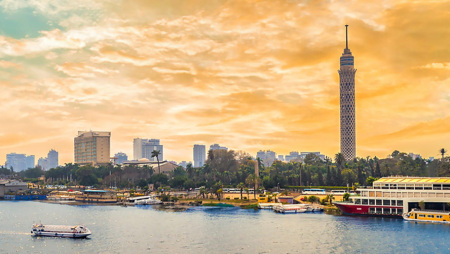
Travelers who follow the Nile’s course experience Egypt’s full spectrum of wonders. Each stop reveals a new chapter of history — from the temples of The Valley of the Kings to the serene beauty of The Nubian Village. Cities like Aswan, Luxor, and Cairo serve as gateways for Egypt Vacations Packages, offering travelers a seamless blend of cultural discovery and relaxation. Watching the sunset over the Nile is an experience that transcends time — the same view once enjoyed by pharaohs, priests, and poets.
The Emotional Connection of Egyptians to the Nile
For Egyptians, the Nile is more than geography; it’s part of their soul. It represents continuity, hope, and resilience. Songs, proverbs, and poems celebrate its generosity. Its calm waters have witnessed revolutions, celebrations, and timeless love. The river’s whispering current, glimmering under the moonlight, holds countless untold stories — each one echoing the eternal spirit of Egypt itself.
Frequently Asked Questions About the Nile River
What countries does the Nile River flow through?
The Nile River flows through eleven countries, including Egypt, Sudan, South Sudan, Uganda, Ethiopia, Kenya, Tanzania, Rwanda, Burundi, the Democratic Republic of Congo, and Eritrea. However, Egypt and Sudan are the main beneficiaries of its flow.
Why is the Nile River so important to Egypt?
The Nile River is Egypt’s primary source of water, agriculture, and livelihood. It has historically supported civilization, agriculture, and transportation, and still fuels tourism, trade, and energy today.
Can you take a cruise on the Nile River?
Yes, travelers can experience the river’s beauty through various Egypt Nile Cruises. These cruises often sail between Luxor and Aswan, offering incredible views of temples, villages, and serene landscapes along the river.
What are the major attractions along the Nile River?
Some of the most famous attractions include the Karnak Temple, Abu Simbel temples, The Valley of the Kings, and the Temple of Philae. Each site reveals the architectural genius and cultural depth of ancient Egypt.
When is the best time to visit the Nile River?
The ideal time to visit the Nile River is between October and April, when the weather is cooler and perfect for sightseeing. Travelers often plan their trips during this season with guidance from the Best Time to Visit Egypt recommendations, ensuring a comfortable and enriching experience along this legendary river.



.png)




Our Partners
Our Awesome Partners