
The Glorious Epoch of the Egypt 19th Dynasty: Power, Pharaohs, and Empire
The Egypt 19th Dynasty stands as one of the most remarkable eras in the long tapestry of ancient Egyptian civilization. Emerging from the shadows of internal unrest and foreign challenges, this dynasty inaugurated a new age of strength, cultural revival, and monumental architecture. Lasting from approximately 1292 to 1189 BCE, it belonged to the New Kingdom period—a time when Egypt expanded its borders, reasserted its influence, and achieved artistic perfection. The rulers of this dynasty, notably Seti I and Ramses II, became synonymous with grandeur, diplomacy, and enduring architectural legacies. The Egypt 19th Dynasty’s influence stretched from the Delta to Nubia and even into the Levant, leaving traces of its power across the ancient world.
Politically, the period marked a restoration of stability after the turbulence of the late 18th Dynasty. The pharaohs of the 19th Dynasty rebuilt temples, reestablished trade routes, and reinforced religious traditions centered around Amun-Ra. Egypt’s economy flourished along The Nile River, and diplomacy, often backed by military might, secured peace with neighboring empires. Tourists visiting the magnificent structures erected during this age—such as the Abu Simbel temples in southern Egypt—witness the awe-inspiring scale that defined this extraordinary dynasty. The Egypt 19th Dynasty wasn’t just a political entity; it embodied Egypt’s golden age of resilience, ambition, and divine kingship.
Origins and Rise of the Egypt 19th Dynasty
The dynasty’s roots trace back to the reign of Ramses I, a seasoned military commander who ascended the throne after being appointed by Horemheb. Though his rule was brief, Ramses I laid the foundation for a lineage that would transform Egypt’s destiny. His son, Seti I, expanded upon this vision, reinstating Egypt’s dominance across its traditional territories and establishing it as the premier power of the ancient Near East. The 19th Dynasty capitalized on Egypt’s military tradition, its skilled administrators, and a deeply ingrained religious structure to consolidate control both at home and abroad. The bureaucratic efficiency achieved during this dynasty ensured that Egypt’s wealth flowed seamlessly, funding massive projects and divine temples across the land.
For modern travelers exploring Egypt Travel Packages, the heritage of the 19th Dynasty is an undeniable highlight. From the temples of Karnak and Luxor to the tombs in the The Valley of the Kings, visitors uncover the physical remnants of this golden age. The dynasty’s founders emphasized divine legitimacy, claiming descent from the gods themselves—a notion that elevated the stature of the monarchy and reinforced Egypt’s cultural unity.
Ramses I and the Birth of a New Era
Ramses I’s short reign may seem modest, but his influence cannot be understated. He reorganized the priesthood, restructured administration, and initiated a dynastic line that would bring Egypt global renown. His successor, Seti I, continued his father’s mission with vigor, leading campaigns into Syria and Libya and commemorating his victories at the splendid The Temple of Seti in Abydos. These efforts restored Egypt’s international prestige, ensuring that trade, diplomacy, and cultural exchanges flourished once again.
Seti I: The Builder and Conqueror
Seti I’s reign epitomized the ideal balance between military strength and religious piety. His ambitious construction projects, including the hypostyle hall at Karnak Temple, showcased the highest level of Egyptian engineering and artistry. His military campaigns reasserted Egypt’s dominance over Canaan and Syria, reflecting the resilience and strategic acumen of the 19th Dynasty. Seti’s tomb in the Valley of the Kings remains one of the most elaborately decorated ever discovered, adorned with vibrant reliefs depicting his journey to the afterlife—a testament to the dynasty’s devotion to religious artistry.
Ramses II: The Great Pharaoh of the 19th Dynasty
No discussion of the Egypt 19th Dynasty is complete without honoring Ramses II, known as Ramses the Great. His reign, spanning over six decades, marked the zenith of Egypt’s power and cultural brilliance. Famous for monumental achievements and fierce diplomacy, Ramses II elevated Egypt’s prestige to unparalleled heights. He led military campaigns that defined the empire’s northern borders and engaged in the famous Battle of Kadesh, one of the earliest recorded battles in history. Though the outcome was indecisive, the peace treaty forged afterward with the Hittites represented an unprecedented act of diplomacy.
Under Ramses II, Egypt witnessed an architectural revolution. He completed and expanded numerous temples, including the monumental Abu Simbel temples in Nubia and the awe-inspiring Ramesseum in Thebes. The king’s image was immortalized across Egypt, his colossal statues symbolizing divine authority and eternal power. Ramses II also contributed to family and dynastic continuity, fathering numerous children, including the famed Princess Meritamen—whose depictions still grace temple walls today. His reign represents the peak of the Egypt 19th Dynasty’s prosperity, technological mastery, and global influence.
The Architectural Marvels of Ramses II
Each temple constructed under Ramses II carried religious significance, political symbolism, and national pride. The alignment of Abu Simbel’s inner sanctum to the sun’s rays on specific dates demonstrated the Egyptians’ astronomical precision. The colossal statues at Luxor and Abu Simbel stand as eternal sentinels preserving the pharaoh’s divine image. His architectural vision laid the groundwork for future kings who sought to emulate his legacy of grandeur and devotion.
The Diplomatic Genius of Ramses II
Beyond warfare, Ramses II’s leadership showcased astute diplomacy. His peace treaty with the Hittites not only ended decades of conflict but also cemented Egypt’s role as a regional superpower. Marriages to foreign princesses further strengthened alliances, while trade networks ensured the steady flow of luxury goods and materials. This strategy allowed Egypt to maintain economic stability and cultural dominance throughout the Mediterranean world.
Art, Religion, and Society during the Egypt 19th Dynasty
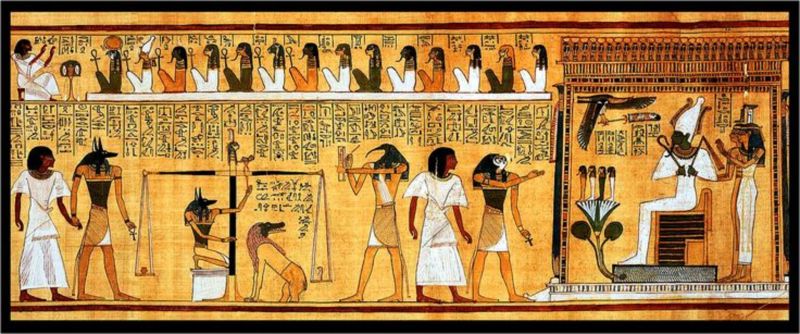
The Egypt 19th Dynasty ushered in an artistic renaissance defined by realism, vibrant colors, and intricate craftsmanship. Religious rituals regained prominence, as the worship of Amun-Ra in Thebes reached new heights. Artistic depictions from tombs and temples reveal the Egyptians’ deep spiritual connection to life and the afterlife. Sculptures, wall reliefs, and jewelry reflected not only divine themes but also everyday life, offering us a window into their beliefs, values, and aesthetics.
Visitors exploring the treasures of the Egyptian Museum of Cairo can admire artifacts from this period, including statues, sarcophagi, and ceremonial relics that attest to the dynasty’s artistic brilliance. The attention to detail and the portrayal of pharaohs as divine yet human leaders underscore the balance between power and piety that defined Egyptian civilization.
Daily Life and Governance
Life during the 19th Dynasty was highly organized. The state bureaucracy managed agriculture, taxation, and monumental construction. The fertile banks of the Nile sustained abundant harvests, enabling a flourishing economy. Craftsmen, scribes, and priests held esteemed positions, while farmers and laborers contributed to the empire’s prosperity. Education, religious instruction, and administrative training ensured the continuity of Egypt’s cultural and political systems. The social structure, while hierarchical, offered stability and purpose to every class of society.
The Decline of the 19th Dynasty
Despite its grandeur, the Egypt 19th Dynasty eventually faced decline due to internal strife, succession disputes, and external threats. Later rulers lacked the charisma and strength of their predecessors, leading to weakened control over foreign territories. Economic pressures and corruption eroded the once-efficient bureaucracy, while natural disasters further destabilized the nation. Ramses III of the following 20th Dynasty would later attempt to restore Egypt’s fading glory, but the true golden age had already passed with the end of the 19th Dynasty.
Legacy of the Egypt 19th Dynasty
The legacy of the 19th Dynasty continues to enchant historians, archaeologists, and travelers alike. Its monumental temples, exquisite art, and historical inscriptions provide invaluable insight into ancient Egypt’s political and spiritual world. For modern visitors, exploring sites built during this era through Egypt Nile Cruises or Egypt Excursions offers an unforgettable journey into history. The dynasty’s contributions to architecture, diplomacy, and religion continue to influence how we perceive ancient civilization’s achievements. The Egypt 19th Dynasty stands as a beacon of human ambition and the timeless quest for immortality through art and legacy.
FAQs about the Egypt 19th Dynasty
1. Who founded the Egypt 19th Dynasty?
The Egypt 19th Dynasty was founded by Ramses I, a former military officer under Horemheb. His appointment marked the transition from the 18th Dynasty and initiated a new royal lineage that would restore Egypt’s dominance across the ancient world.
2. What were the major achievements of Ramses II?
Ramses II is famed for his architectural achievements, including the construction of Abu Simbel and the Ramesseum. He also led the Battle of Kadesh and signed one of history’s first recorded peace treaties, solidifying Egypt’s power and prestige.
3. How did religion influence the Egypt 19th Dynasty?
Religion was the cornerstone of the dynasty’s authority. Pharaohs were regarded as divine beings, and temples dedicated to Amun-Ra, Osiris, and other deities flourished. Seti I and Ramses II both invested heavily in restoring religious centers, reinforcing their sacred legitimacy.
4. Where can tourists see monuments from the 19th Dynasty today?
Travelers can explore 19th Dynasty monuments at sites like Luxor Temple, Karnak, and Abu Simbel. Many artifacts from this era are preserved in museums, including priceless treasures in Cairo and Luxor.
5. Why is the Egypt 19th Dynasty considered a golden age?
The Egypt 19th Dynasty is deemed a golden age due to its political stability, cultural renaissance, and monumental construction. It represented the peak of Egypt’s military power, artistic excellence, and diplomatic sophistication, leaving an indelible mark on world history.