

The Egyptian Museum of Cairo
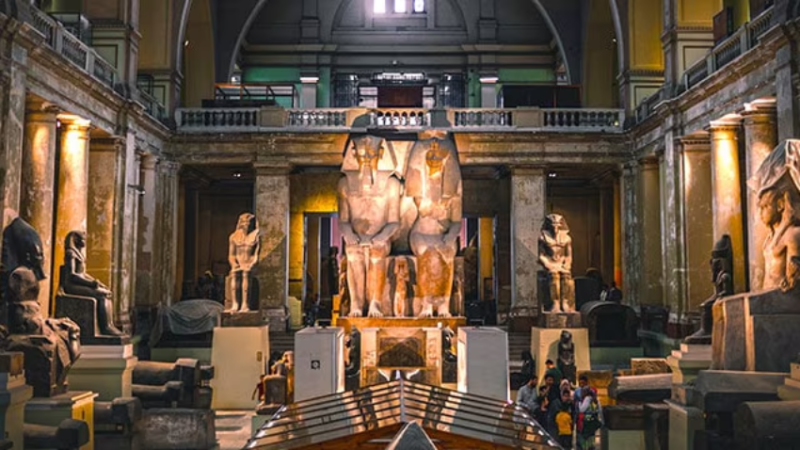
The Egyptian Museum of Cairo: A Timeless Gateway into Ancient Egypt's Treasures
In the heart of Cairo city, the Egyptian Museum stands as a monumental tribute to one of the world’s greatest civilizations. This institution, often referred to simply as the Cairo Museum, holds the most extensive collection of Pharaonic antiquities on Earth. Established in 1902, the museum is more than just a building filled with relics—it is Egypt’s soul manifested in stone, gold, and papyrus. Housing over 120,000 artifacts, it narrates the rise and glory of the Egyptian empire, its gods, pharaohs, artisans, and everyday citizens. Every corridor unfolds layers of history, inviting you to step through time and experience the grandeur of ancient Egypt as if the past were still alive.
Located near Tahrir Square, the Egyptian Museum of Cairo has captured the imagination of historians, archaeologists, and travelers for more than a century. Its pink neoclassical façade, designed by the French architect Marcel Dourgnon, conceals one of the most breathtaking assemblages of antiquities—from the glimmering treasures of Tutankhamun’s tomb to the hauntingly lifelike statues of Amenhotep III and Queen Tiye. For those on Egypt Nile Cruises or cultural expeditions through Cairo, this museum is an essential stop that bridges ancient mystique with modern wonder. Visitors step inside not just to look at relics but to connect deeply with the civilization that gave birth to art, architecture, and belief systems that shaped the world.
History and Foundation of the Egyptian Museum of Cairo
The Egyptian Museum was officially inaugurated in 1902, marking a pivotal moment in Egypt’s cultural preservation. It was born from a passionate desire to safeguard Egypt’s archaeological wealth, much of which had been scattered across Europe by early explorers and colonizers. Khedive Abbas Helmy II’s vision and Auguste Mariette’s pioneering archaeological efforts made the dream a reality. Mariette, a French archaeologist, had been instrumental in organizing Egypt’s first national antiquities service and envisioned a permanent home for the country’s monumental discoveries.
Originally, the museum’s collection began modestly in Boulaq, later transferred to Giza, and finally to its current neoclassical building in central Cairo. The relocation symbolized Egypt’s assertion of ownership over its millennia-old legacy. Today, as visitors walk its marble halls, they trace a story not only of ancient Egypt but also of the nation’s modern struggle to reclaim and protect its identity. The Egyptian Museum’s establishment remains one of the most significant milestones in Egyptology, preceding even the formation of global institutions devoted to the study of antiquity.
Architectural Splendor of the Cairo Museum
The architectural design of the Egyptian Museum of Cairo is a masterpiece in itself. Styled in the classical French Beaux-Arts tradition, it combines symmetry, grandeur, and functionality. Each gallery is designed to guide visitors through distinct chronological and thematic experiences—from the Old Kingdom’s colossal limestone statues to the New Kingdom’s exquisite jewelry and funerary masks. High ceilings allow sunlight to subtly illuminate artifacts, evoking an almost sacred ambiance reminiscent of the ancient temples of Luxor and Karnak.
Interestingly, the museum’s design avoided any overt Egyptian motifs; this was intentional, ensuring that the focus remained on the artifacts rather than the architecture. The building’s central dome crowns a vast atrium surrounded by two floors of galleries, each meticulously categorized to reflect Egypt’s dynastic evolution. From the moment visitors enter, they’re greeted by a grand statue of Amenhotep III and Queen Tiye—royalty frozen in time, yet radiating presence and power.
The Unmatched Collection of the Egyptian Museum
What truly sets the Egyptian Museum apart is its unparalleled collection. It houses items spanning over 5,000 years of Egyptian history, including the complete funerary collection of the boy king Tutankhamun. The golden mask of Tutankhamun, one of the most famous artifacts on the planet, draws visitors from every corner of the globe. Carved and inlaid with lapis lazuli, quartz, and obsidian, the mask reveals the artistry and devotion that defined Egypt’s spiritual beliefs in immortality.
Beyond Tutankhamun, the museum shelters royal mummies, papyrus scrolls, and statues that chronicle the evolution of Egyptian art and religion. The Royal Mummy Room, for instance, offers a hauntingly intimate glimpse into the preserved remains of Ramses II, Seti I, and other pharaohs who once ruled the Nile Valley. For enthusiasts of ancient craftsmanship, the jewelry and amulets section showcases delicate gold pieces that rival even modern designs.
The Significance of Tutankhamun’s Treasures
Among the museum’s vast inventory, the treasures of Tutankhamun remain the crown jewel. Discovered in 1922 by Howard Carter in the Valley of the Kings, the boy king’s tomb was an untouched time capsule of ancient Egyptian life and death rituals. His golden chariot, funerary beds, and jewelry collection serve as a testament to the grandeur of the 18th Dynasty. Visitors who have explored sites such as the Valley of the Kings in Luxor often find their journey complete upon witnessing these artifacts firsthand at the Cairo Museum.
The fascination with Tutankhamun transcends archaeology; it’s a global phenomenon. His treasures, meticulously preserved and displayed, continue to reveal new insights into ancient Egyptian craftsmanship, social hierarchy, and religious symbolism. Every object tells a story—of divine kingship, artistic perfection, and humanity’s eternal quest for immortality.
Preservation and Modernization Efforts
Over the decades, the Egyptian Museum has undergone multiple restoration efforts to preserve its invaluable contents. Temperature control, humidity regulation, and advanced security systems have transformed its galleries into state-of-the-art spaces for conservation. However, the museum’s role is evolving. With the emergence of The Grand Egyptian Museum near Giza, many high-profile artifacts are being relocated, but the Cairo Museum remains a historic cornerstone.
Rather than losing importance, the museum is redefining its mission—focusing on contextual storytelling and showcasing newly discovered artifacts. The collaboration between Egyptian authorities and international preservation experts ensures that each exhibit remains a living testament to Egypt’s past, not just a static relic behind glass.
Visitor Experience: Exploring the Heart of Egyptian Heritage
Stepping into the Egyptian Museum is like walking into history’s heartbeat. From the ground floor’s imposing granite statues to the upper floor’s delicate amulets and papyrus texts, every corner exudes authenticity. Visitors often describe an overwhelming sense of awe when gazing at the golden relics of ancient kings, while others find quiet inspiration in the personal items—pottery, tools, and cosmetics—that belonged to ordinary Egyptians thousands of years ago.
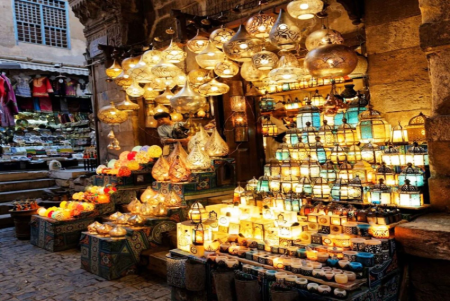
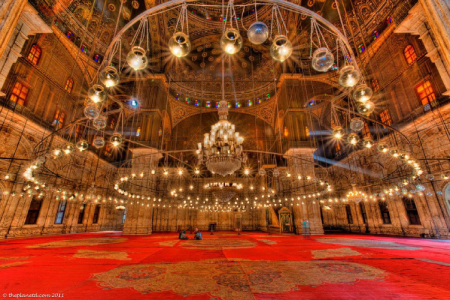
To make the most of the visit, many travelers combine their museum experience with Cairo Day Tours that also include nearby landmarks such as the Khan al-Khalili Cairo bazaar, the Alabaster Mosque, and the National Museum of Egyptian Civilization. These integrated experiences offer a broader understanding of Cairo’s cultural and historical layers that span from antiquity to modernity.
Educational Value and Egyptology Research
The Egyptian Museum of Cairo isn’t merely a tourist attraction—it’s a living laboratory for Egyptologists and scholars worldwide. Its archives, research rooms, and restoration labs support continuous learning and discovery. Students of archaeology and ancient art often flock here to study papyri, hieroglyphic inscriptions, and burial artifacts up close. The museum collaborates with universities and research institutions globally, contributing to the understanding of Egypt’s dynastic lineage, craftsmanship, and mythology.
A Symbol of National Pride and Cultural Identity
For Egyptians, the museum stands as a proud symbol of their cultural heritage and national identity. It embodies the spirit of resilience and pride, reminding locals and visitors alike that Egypt’s glory is not just in its pyramids or temples but in the stories those monuments whisper. The museum has witnessed revolutions, social transformations, and political upheavals, yet it remains steadfast—a guardian of the nation’s collective memory.
Practical Information for Visitors
The Egyptian Museum of Cairo is located in Tahrir Square, easily accessible from any part of the city. It’s open daily, with extended hours during peak tourist seasons. Photography restrictions apply in certain galleries, particularly near delicate artifacts like the royal mummies. Tickets can be purchased on-site or as part of curated Egypt Travel Packages that include multi-day itineraries across major attractions such as the Great Pyramids of Giza and Luxor City. Guided tours are highly recommended to grasp the deeper historical narratives behind each exhibit.
FAQs about the Egyptian Museum of Cairo
1. Where is the Egyptian Museum located?
The Egyptian Museum is located in downtown Cairo, Egypt, specifically at Tahrir Square. Its central location makes it one of the most accessible landmarks in the capital, often included in cultural and historical tours around the city.
2. What are the most famous artifacts in the Egyptian Museum?
The most famous artifacts include the golden mask of Tutankhamun, royal mummies of pharaohs like Ramses II, and intricate jewelry collections from the New Kingdom. Each artifact tells a rich story of Egypt’s dynastic splendor and artistic brilliance.
3. Is photography allowed inside the Egyptian Museum?
Photography is allowed in most areas, but flash photography and video recording are restricted in sensitive galleries, particularly those featuring mummies and delicate relics. Visitors are encouraged to respect these guidelines to preserve the artifacts.
4. What’s the difference between the Egyptian Museum and The Grand Egyptian Museum?
While the Egyptian Museum of Cairo is the historic cornerstone located in Tahrir Square, The Grand Egyptian Museum in Giza is a new, modern complex designed to house many of Egypt’s most iconic artifacts, including the complete Tutankhamun collection. Both complement each other in preserving and showcasing Egypt’s heritage.
5. When is the best time to visit the Egyptian Museum of Cairo?
The best time to visit is during Egypt’s cooler months, from October to April. Early mornings or late afternoons are ideal to avoid crowds and fully immerse yourself in the museum’s vast exhibits.
Planning your Egypt trip? See our Enjoyable Tour to the Giza Pyramids and Egyptian Museum from the Airport.



.png)




Our Partners
Our Awesome Partners