

Egypt’s Best Star-Gazing Destinations: Where to Experience the Night Sky
Egypt’s best star-gazing destinations are found in the deserts of the Western Desert, Sinai, and Upper Egypt, where low light pollution and clear skies reveal dazzling views of the Milky Way and constellations. Top locations include the White Desert, Wadi El Hitan, Nuweiba, and the Nubian Desert near Aswan, each offering unique settings for an unforgettable celestial experience.
Key Takeaways
- The White Desert and Black Desert offer some of Egypt’s darkest skies for stargazing.
- Nuweiba in Sinai provides tranquil Red Sea views and crystal-clear night skies.
- Wadi El Hitan, a UNESCO site, combines fossil-rich landscapes with superb astronomy conditions.
- Aswan’s Nubian Desert is a favorite for astronomers due to minimal light pollution.
- Official site entry is free for children under 6, Egyptian seniors 60+, Egyptians with special needs, and orphaned children, per the Ministry of Tourism and Antiquities.
Why Egypt Is a Star-Gazer’s Paradise
Egypt’s vast deserts and remote landscapes create the perfect environment for observing the night sky. The absence of major cities across much of the country means minimal artificial light, allowing the stars to shine in remarkable clarity. Dry air, clear horizons, and a mild climate for much of the year enhance visibility, making Egypt a bucket-list destination for astronomy enthusiasts and casual observers alike.
For those seeking a blend of adventure and serenity, Egypt’s star-gazing spots offer not just celestial wonders, but also dramatic geological formations, ancient history, and cultural encounters. Many travelers combine stargazing with desert safaris, camping, or even Nile cruises for a truly immersive experience.
The Top Star-Gazing Destinations in Egypt
| Destination | Region | Highlights |
|---|---|---|
| White Desert | Western Desert | Unique chalk formations, absolute darkness, camping |
| Black Desert | Western Desert | Volcanic hills, panoramic views, minimal light pollution |
| Wadi El Hitan | Fayoum | UNESCO World Heritage, fossil beds, clear skies |
| Nuweiba | Sinai | Red Sea backdrop, tranquil beaches, mountain silhouettes |
| Nubian Desert | Aswan | Vast open desert, Nubian culture, astronomy tours |
The White Desert: Egypt’s Celestial Wonderland
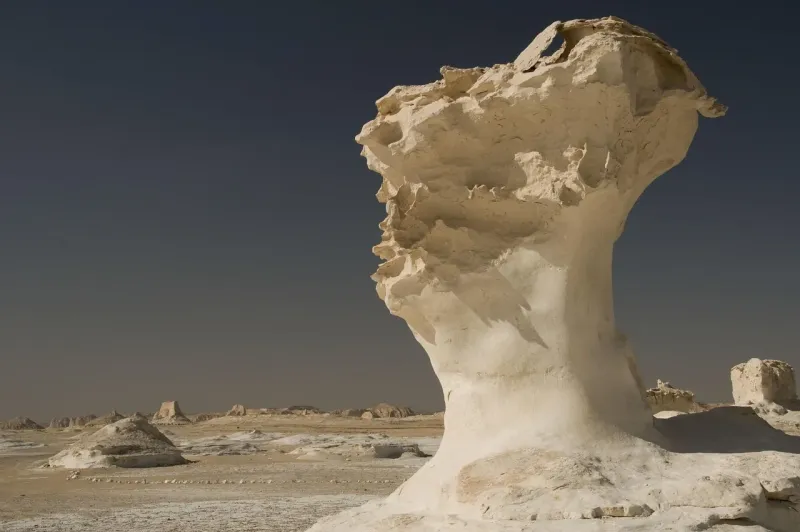
The White Desert, located in the Farafra depression of the Western Desert, is famed for its surreal white chalk formations sculpted by wind and sand. By day, these otherworldly shapes dazzle in the sun, but by night, the region transforms into a stargazer’s dream. The isolation ensures almost zero light pollution, making it possible to see the Milky Way and countless stars with the naked eye. Camping under the stars here is a magical experience, often paired with Bedouin hospitality and traditional meals. For those interested in exploring both the White and Black Deserts, the Black and White Desert route is a popular choice among adventure seekers.
Wadi El Hitan: Fossils and the Cosmos
Wadi El Hitan, or Whale Valley, is a UNESCO World Heritage site in the Fayoum region, renowned for its fossilized whale skeletons that tell the story of life millions of years ago. The valley’s remote location and protected status make it an exceptional site for stargazing. Visitors can marvel at ancient fossils by day and gaze at a sky ablaze with stars by night. Astronomy tours and overnight camping are available, providing a blend of paleontological wonder and celestial beauty. Wadi El Hitan is also featured in Egypt’s list of seven UNESCO World Heritage sites, per UNESCO.
Nuweiba: Red Sea Serenity and Night Skies
Nuweiba, a peaceful coastal town on the Sinai Peninsula, is beloved for its laid-back atmosphere and stunning Red Sea vistas. Away from the bustling resorts of Sharm El Sheikh, Nuweiba offers quiet beaches and unobstructed views of the night sky. The nearby mountains and sea create a dramatic backdrop for meteor showers, constellations, and even the occasional glimpse of the Andromeda Galaxy. Stargazing here often goes hand-in-hand with camping or eco-lodge stays, making it perfect for travelers seeking tranquility and natural beauty. For more about this destination, visit the Nuweiba Egypt page.
Aswan and the Nubian Desert: Astronomy in Upper Egypt
Aswan, situated at the southern end of Egypt, is a gateway to the Nubian Desert, where vast open spaces and a dry climate provide optimal conditions for astronomy. Local Nubian communities offer guided stargazing tours, often combining cultural storytelling with celestial observations. The area is also a highlight for travelers on a Nile cruise, who can enjoy the night sky from the deck as the river winds through ancient landscapes. For a curated Nile experience that includes the Aswan region, consider the 6 day agatha dahabiya nile cruise.
Sinai’s Mountain Retreats: Stargazing Above the Clouds
The Sinai Peninsula is home to some of Egypt’s most iconic mountains, including Mount Sinai and the surrounding highlands. These elevated locations offer crystal-clear air and a sense of spiritual awe, making them popular for night hikes and astronomy excursions. Watching the stars from these heights is a humbling experience, as the sky stretches endlessly above ancient peaks. Many travelers combine sunrise hikes with stargazing for a truly memorable adventure. If sunrise views also appeal to you, explore Egypt’s best spots for sunrise in the region.
What to Expect: Practical Tips for Star-Gazing in Egypt
When planning a star-gazing adventure in Egypt, preparation is key. Most prime locations are remote, requiring travel by 4x4 or organized tour. Nights in the desert can be chilly, so warm clothing is essential. Guided tours often include camping equipment, meals, and astronomy guides who can help you identify constellations and celestial events.
Mobile phone photography is free of charge at Ministry of Tourism and Antiquities sites, making it easy to capture your night sky memories. For those under 6, Egyptian seniors 60+, Egyptians with special needs, and orphaned children, entry to official sites is free, per the Ministry of Tourism and Antiquities. Students up to age 24 with valid ID can benefit from special ticket rates. All ticket prices are in Egyptian Pounds (EGP), and some sites, such as Giza, offer self-service machines that accept bank cards for ticket purchases. Official fees and hours are revised periodically, so always check the latest details before your visit.
Combining Stargazing with Other Outdoor Adventures
Egypt’s star-gazing destinations are often located near other natural wonders and adventure opportunities. Many travelers complement their astronomy experience with desert safaris, sandboarding, or even horseback riding. For equestrian enthusiasts, Egypt offers best places for horseback riding in the same regions that boast top-notch stargazing.
Birdwatchers will also find plenty to enjoy, as Egypt is a major migratory route for birds. Discover more about the country’s rich avian life in Egypt’s top birdwatching destinations. For those seeking a comprehensive travel experience, multi-day packages such as the 8 Days Best Egypt Tour With Nile Cruise can blend culture, adventure, and celestial exploration.
When Is the Best Time for Stargazing in Egypt?
Egypt’s dry climate and clear skies make stargazing possible year-round, but the best visibility is typically during the winter months, when humidity is low and the nights are longer. Meteor showers such as the Perseids and Geminids are particularly spectacular when viewed from the desert. Ramadan may affect opening hours at some sites, as they run reduced hours published per-site on the ticketing portal. Arrive at least one hour before the site’s closing time to ensure a relaxed visit.
Frequently Asked Questions
What is the best desert in Egypt for stargazing?
The White Desert in the Western Desert is widely regarded as Egypt’s best stargazing spot due to its remote location, unique landscape, and lack of light pollution.
Can I take photos of the stars with my phone in Egypt’s protected areas?
Photography with a mobile phone is free of charge at Ministry of Tourism and Antiquities sites, but commercial filming requires prior permission.
Are there guided stargazing tours in Egypt?
Yes, guided stargazing tours are available in locations such as the White Desert, Wadi El Hitan, and Sinai, often including camping, astronomy guides, and cultural experiences.
Is entry free for children or students at Egypt’s monuments and protected sites?
Entry is free for children under 6, Egyptian seniors 60+, Egyptians with special needs, and orphaned children per the Ministry of Tourism and Antiquities. Students up to age 24 with a valid ID can access discounted tickets.
What currency is used for ticket purchases at Egyptian monuments?
All monument ticket prices are in Egyptian Pounds (EGP), and some sites, such as Giza, accept bank cards at self-service ticket machines.