

Egypt’s Top Birdwatching Destinations: Where to See the Country’s Most Spectacular Birds
Egypt is a paradise for birdwatchers, with its unique blend of habitats attracting hundreds of resident and migratory species. The best birdwatching destinations in Egypt include Lake Qarun, the Nile Valley, the Red Sea coast, and the Western Desert oases, each offering distinct birdlife and viewing experiences. Whether you’re a seasoned birder or a curious traveler, Egypt promises unforgettable encounters with rare and beautiful birds.
Key Takeaways
- Lake Qarun and Wadi El Rayan are prime sites for spotting migratory waterbirds and flamingos.
- The Nile Valley and Delta host a wealth of resident and migratory species, especially during spring and autumn.
- Red Sea islands and coastal areas are renowned for seabirds, waders, and the elusive Crab Plover.
- Egypt’s oases, such as Siwa and Bahariya, shelter desert-adapted species and offer serene birdwatching escapes.
Why Egypt Is a Birdwatching Haven
Egypt’s strategic location at the crossroads of Africa, Asia, and Europe makes it a vital corridor for migratory birds. Twice a year, millions of birds traverse the country, using its wetlands, riverbanks, and deserts as stopovers. With seven UNESCO World Heritage sites, Egypt’s protected areas also help safeguard critical habitats for both resident and migratory species.
Lake Qarun and Wadi El Rayan: Wetland Wonders
Lake Qarun, situated in the Fayoum Depression, is one of Egypt’s oldest natural lakes and a magnet for birdlife. During migration seasons, visitors can expect to see thousands of flamingos, pelicans, herons, and various species of ducks. Adjacent to the lake, Wadi El Rayan is a protected area featuring waterfalls and tranquil lagoons, where birders regularly spot ospreys, black-winged stilts, and marsh harriers.
The Nile Valley and Delta: A Birding Corridor
The lush banks of the Nile River and its expansive delta are home to a diverse range of species, from the vibrant Little Bee-eater to the majestic Egyptian Goose. The river’s islands and reed beds provide sanctuary for herons, egrets, and kingfishers. For those interested in combining birdwatching with cultural exploration, a Nile cruise offers the perfect vantage point to observe birdlife while gliding past ancient monuments.
Red Sea Coast: Seabirds and Island Sanctuaries
The Red Sea coast, stretching from Suez to the Sudanese border, is famed for its coral reefs and clear waters, but it is also a hotspot for birdwatching. Offshore islands and mangroves attract terns, gulls, and the rare Crab Plover. Birders should keep an eye out for the Sooty Falcon and White-eyed Gull, both of which breed in this region. The area around Hurghada and El Gouna is particularly rewarding for spotting waders and migratory shorebirds.
Western Desert Oases: Siwa, Bahariya, and Beyond
Egypt’s Western Desert is dotted with oases that serve as vital refuges for birds crossing the arid landscape. Siwa Oasis is known for its olive groves and freshwater springs, attracting species like the Desert Sparrow and Hoopoe Lark. In Bahariya Oasis, birdwatchers may encounter sandgrouse, wheatears, and the occasional Pharaoh Eagle Owl. The dramatic landscapes of the Black and White Desert also provide unique opportunities to spot desert-adapted birds.
Protected Areas and National Parks
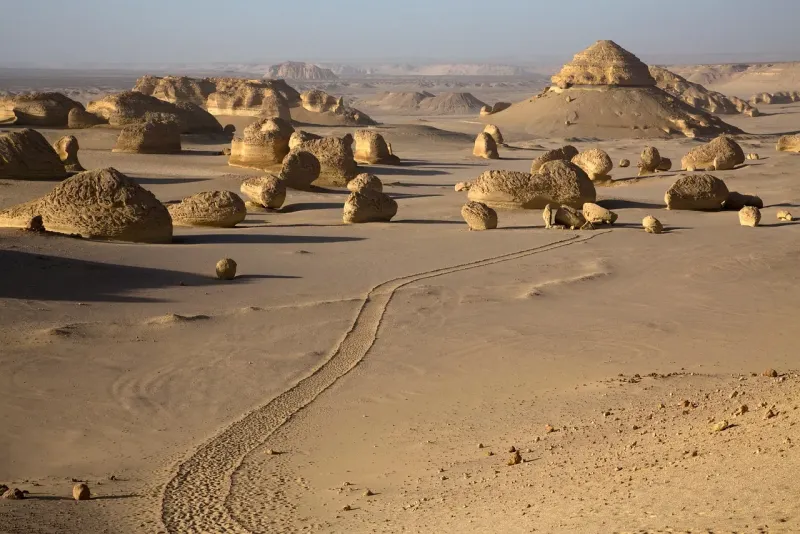
Many of Egypt’s top birdwatching sites fall within national parks and protected areas. White Desert National Park, famous for its chalk formations and pristine silence, is a haven for larks, wheatears, and migratory raptors. The combination of geological wonders and rich birdlife makes it a must-visit for nature lovers. For an in-depth wildlife experience, explore more of Egypt’s top wildlife experiences beyond birdwatching.
Best Times for Birdwatching in Egypt
The prime birdwatching seasons in Egypt are during spring (March to May) and autumn (September to November), when migratory birds pass through the country. Winter also brings an influx of waterfowl to lakes and wetlands. Early mornings and late afternoons are ideal for sightings, as birds are most active during these cooler hours.
Essential Tips for Birdwatchers Visiting Egypt
When planning a birdwatching trip in Egypt, bring binoculars, a field guide, and sun protection. Photography with a mobile phone is free of charge at Ministry sites, per the Ministry’s official ticketing service. Entry is free for children under 6, Egyptian seniors 60+, Egyptians with special needs, and orphaned children. Students up to age 24 with valid ID are eligible for student tickets. Always check the official booking portal for updated opening hours, especially during Ramadan, as sites may operate reduced hours. Arrive at least one hour before closing time to ensure full access to the site.
Birdwatching and Cultural Adventures Combined
Egypt offers the unique opportunity to blend birdwatching with historical exploration. Sites like Memphis, the old Egyptian capital, and the temples along the Nile are surrounded by habitats teeming with birdlife. Consider a guided day tour that combines iconic monuments with time in nature for a truly immersive experience.
Luxury Birdwatching Tours and Packages
For travelers seeking a seamless, premium experience, several luxury tour packages cater to birdwatchers and nature enthusiasts. These curated journeys combine comfortable accommodations, expert guides, and access to Egypt’s finest birdwatching spots. Explore the possibilities with an 11-day luxury Egypt tour or a Nile cruise that brings you up close to both ancient wonders and vibrant birdlife.
Frequently Asked Questions
What are the best places for birdwatching in Egypt?
The best places for birdwatching in Egypt include Lake Qarun, Wadi El Rayan, the Nile Valley and Delta, the Red Sea coast, and desert oases such as Siwa and Bahariya, each offering unique habitats and species.
When is the best time to go birdwatching in Egypt?
The best times for birdwatching in Egypt are during spring and autumn migrations, as well as winter for waterfowl. Early mornings and late afternoons provide optimal viewing conditions.
Are there any rules about photography at birdwatching sites?
Photography with a mobile phone is free of charge at Ministry sites, but commercial filming requires prior permission. Always check local rules for protected areas and national parks.
Can I combine birdwatching with other activities in Egypt?
Yes, many tours combine birdwatching with visits to historical sites and cultural attractions, allowing you to enjoy Egypt’s natural and archaeological wonders in a single itinerary.
Do I need a guide for birdwatching in Egypt?
While independent birdwatching is possible at many sites, hiring a local guide can enhance your experience by helping you identify species and access lesser-known locations.
Are there luxury birdwatching tours available in Egypt?
Yes, several luxury tour operators offer birdwatching-focused itineraries with expert guides, comfortable accommodations, and visits to Egypt’s top birding destinations.
Is Egypt a safe destination for birdwatchers?
Egypt is considered one of the safest destinations in the region for travelers, including birdwatchers, with welcoming hospitality and established tourism infrastructure. For more details, see why Egypt remains one of the safest destinations.