

How to Travel Overland from Cairo to Cape Town: The Egypt Section
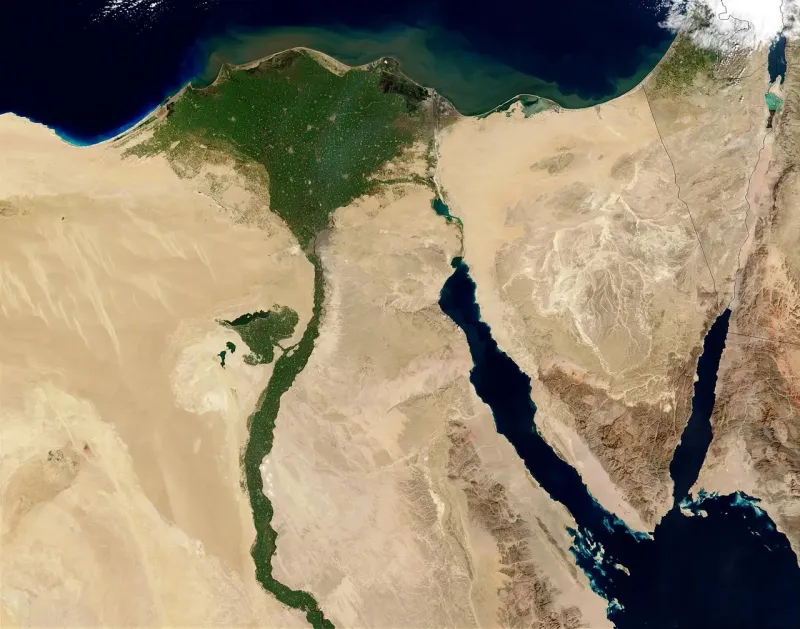
The Egypt section of the Cairo-to-Cape Town overland route runs from Cairo south along the Nile to Aswan, then across Lake Nasser into Sudan. Foreign overlanders cannot simply drive the land border at Wadi Halfa, so the practical choice is the weekly ferry or a cargo barge for vehicles. Plan Egypt as a slow, permit-heavy opening stage, not a quick transit.
Key Takeaways
- The Egypt leg is Cairo to Aswan, roughly 880 km along the Nile, followed by a ferry crossing of Lake Nasser into Sudan.
- Vehicles generally travel separately from passengers on a cargo barge, so build slack into your schedule at Aswan.
- The Royal Mummies are at NMEC in Fustat, not at the museum on Tahrir Square, and NMEC is open daily from 09:00 AM to 05:00 PM per the Ministry of Tourism and Antiquities.
- All Ministry monument ticket prices are in Egyptian Pounds (EGP), and a foreign adult ticket to the Giza Plateau is EGP 700.
- Visa, Sudan border and vehicle-permit rules change often, so confirm them with the official authorities before you set off.
Why Egypt Is the Hardest Part to Plan
Most overland guides treat Egypt as a formality. It is not. The route has three fixed points that constrain everything else: where you enter Egypt, where you cross Lake Nasser, and how your vehicle gets from Aswan to Wadi Halfa in Sudan. Many travellers start the Cairo-to-Cape Town journey in Egypt precisely because the northern end is well served by flights, so they often skip bringing a vehicle at all and join an organised truck expedition from Cairo or Aswan.
If you are driving your own vehicle, you will need a carnet de passage or the equivalent customs paperwork, plus comprehensive insurance valid in Egypt. Requirements for foreign-plated vehicles and the number of permits needed for desert and Nile Valley roads vary and are revised, so verify them with the Egyptian authorities and your own embassy before you commit to a departure date.
Stage One: Arriving and Preparing in Cairo
Give yourself several days in Cairo before heading south. Use them for vehicle paperwork, buying a local SIM, withdrawing cash and, if you have time, seeing the capital properly. Cairo is also your last easy chance to buy spare parts and stock up on supplies for the long stretches ahead.
If you want to see the pharaonic collections, remember that Cairo now has more than one major museum. The older museum on Tahrir Square, the Egyptian Museum, is open daily from 09:00 AM to 05:00 PM per the Ministry of Tourism and Antiquities, and the foreign adult ticket is EGP 550. A good guide to the Egyptian Museum of Cairo will help you decide how much time to give it before you leave.
The Grand Egyptian Museum (GEM), beside the Giza Plateau, houses the Tutankhamun galleries, and standard admission includes them per the Grand Egyptian Museum's official ticketing service. All GEM tickets must be booked online in advance with a timed entry slot. The museum publishes no admission price on the pages consulted, so check its official booking channel for the current figure.
Cairo Sights Worth Your Time Before You Go South
| Site | Foreign adult ticket | Opening hours |
|---|---|---|
| Giza Plateau (general admission) | EGP 700 | Published times differ between official sources; confirm before visiting |
| Great Pyramid of Khufu (interior) | EGP 1000 | Daily 07:00 AM-05:00 PM |
| Egyptian Museum, Tahrir | EGP 550 | Daily 09:00 AM-05:00 PM |
| NMEC, Fustat | EGP 550 | Daily 09:00 AM-05:00 PM |
| Salah El-Din Citadel | EGP 550 | Winter season: 08:00 am, last entry 04:00 pm |
| Coptic Museum | EGP 280 | Daily 09:00 AM-05:00 PM |
| Al-Muizz Street | EGP 220 | Summer season: 09:00 am, last entry 04:00 pm |
The Ministry revises fees and hours periodically, so treat the figures above as the published rates and confirm them close to your travel dates. Arrive at least one hour before a site's closing time, and note that photography with a mobile phone is free of charge at Ministry sites.
The Royal Mummies and Old Cairo
The National Museum of Egyptian Civilization (NMEC) in Fustat holds the Royal Mummies Gallery, which displays 17 kings and 3 queens, 20 mummies in all, per the National Museum of Egyptian Civilization. Foreign adult admission is EGP 550 and the student rate is EGP 300. A ticket bundled with a tour guide is EGP 1510 for adults. NMEC is not part of the Cairo Pass.
Historic Cairo was inscribed as a UNESCO World Heritage site in 1979, per UNESCO. Spend a morning in the old quarter, which also holds the fortress area; a short read on Babylon Fortress in Cairo explains what you will see around the Coptic quarter. Bab Zuweila and the Mosque-Madrassa of Sultan Hassan are also on the Ministry ticketing portal; a foreign adult ticket to Bab Zuweila is EGP 100, and Sultan Hassan is EGP 220.
When to Cross Egypt: Weather and Timing
Season matters for a long overland trip. Cairo's average daily high is 34.8 degC in July and its low is 22.9 degC, per the World Meteorological Organization. By contrast, January averages 19.0 degC high and 9.7 degC low. March gives a 23.4 degC high and 12.3 degC low, and November a 24.7 degC high and 14.6 degC low. Aswan and Lake Nasser run hotter than Cairo, so plan the southern stages for the cooler months if you can.
Summer travel is possible but punishing, especially in an unair-conditioned vehicle. If you must cross in the hot months, a guide on how to travel Egypt during the summer heat covers pacing, hydration and sensible daily start times.
Stage Two: Cairo to Aswan
You have three realistic ways to cover the Cairo-to-Aswan stretch: drive, take the train, or fly. Driving gives you flexibility but adds checkpoints and daily permit complications along the Nile Valley. The train is slower than flying but cheap and atmospheric. Flying is quickest, though it is only an option if your vehicle is going separately. If you are weighing the rail option, the practical details are set out in a piece on how to travel Egypt by train.
Whichever way you travel, stop at Luxor if you can. The temples and the Valley of the Kings reward the detour, and a Nile cruise between Luxor and Aswan is the classic way to cover that stretch in comfort. A sailing such as the 6-day Malouka dahabiya Nile cruise is a quieter alternative to the large cruise ships, and a dahabiya is a traditional sailing boat with only a handful of cabins.
Stage Three: Aswan and the Lake Nasser Crossing
Aswan is where the Egypt section really ends. The border with Sudan is crossed by water, not by road, so everything revolves around the ferry timetable and your vehicle's barge. Passengers typically sail on one boat and vehicles on another, and the two do not always arrive together, which can leave you waiting days in Wadi Halfa for your vehicle.
Because ferry schedules and cargo arrangements change, book through a reliable local agent and confirm the current sailing day directly. For wider logistics, including how flights connect the capital to the south, see this overview of airports, flights and travel updates for Egypt visitors.
Entry Rules, Visas and Fees
Visa and entry rules for Egypt and Sudan change and depend on your nationality, so this article does not state a stay limit or fee from memory. Check the official consular pages of both countries and your own government's travel advice, and allow extra time, since a Sudan visa in particular can take time to arrange. Carry printed copies of every permit.
Money, Tickets and Practical Tips
All monument ticket prices are quoted in Egyptian Pounds (EGP), per the Ministry's official ticketing service, so carry local cash. Self-service machines accept bank cards for site tickets at Giza per the Ministry of Tourism and Antiquities, but card acceptance is not guaranteed at every monument, so do not rely on it away from the main sites.
Student tickets require a valid student ID, and the holder's age must not exceed 24. Children under 6 enter free, as do certain Egyptian groups, per the Ministry of Tourism and Antiquities. At NMEC, the exemptions exclude Friday, Saturday and public holidays. During Ramadan, sites and museums run reduced hours published per site on the ticketing portal, so check before you plan a sightseeing day.
Choosing a Local Partner
Overland travel in Egypt rewards good local knowledge: permits, escorts, ferry bookings and Cairo logistics are all easier with someone who does them weekly. If you prefer to hand off the sightseeing so you can concentrate on the vehicle, a well-reviewed operator makes sense, and a guide on how to find the best travel agency in Egypt explains what to check before you pay a deposit.
If you would rather see the highlights on a fixed itinerary before or after the overland leg, a ready-made trip such as the 12-day luxury holiday tour of Egypt combines Cairo, a Nile cruise and the Red Sea in one booking.
Frequently Asked Questions
Can you drive from Egypt into Sudan on your own vehicle?
Not by a normal road crossing. The route from Egypt into Sudan goes by ferry across Lake Nasser from Aswan to Wadi Halfa, and vehicles usually travel on a separate cargo barge, so confirm the current arrangements with a local agent before you go.
How long does the Egypt section of Cairo to Cape Town take?
Plan on at least one to two weeks, covering preparation in Cairo, the journey south to Aswan, and waiting for the ferry and barge. Permit delays and ferry timetables are the main reasons the stage runs long.
Where are the Royal Mummies displayed in Cairo?
The Royal Mummies are displayed at NMEC in Fustat, Cairo, in the Royal Mummies Gallery, which shows 17 kings and 3 queens. They are not at the Egyptian Museum on Tahrir Square.
What currency are Egyptian monument tickets sold in?
All monument ticket prices on the Ministry's official ticketing service are in Egyptian Pounds (EGP). A foreign adult ticket for the Giza Plateau is EGP 700 and for the Egyptian Museum on Tahrir Square is EGP 550.
Do I need to book the Grand Egyptian Museum in advance?
Yes. All tickets for the Grand Egyptian Museum must be booked online in advance with a timed entry slot. The museum does not publish an admission price on the pages consulted, so check its official booking channel for the current figure.
What is the best time of year to cross Egypt overland?
The cooler months are far more comfortable. Cairo's average daily high is 19.0 degC in January and 34.8 degC in July, per the World Meteorological Organization, and Aswan runs hotter still, so avoid the peak summer months if your schedule allows.