

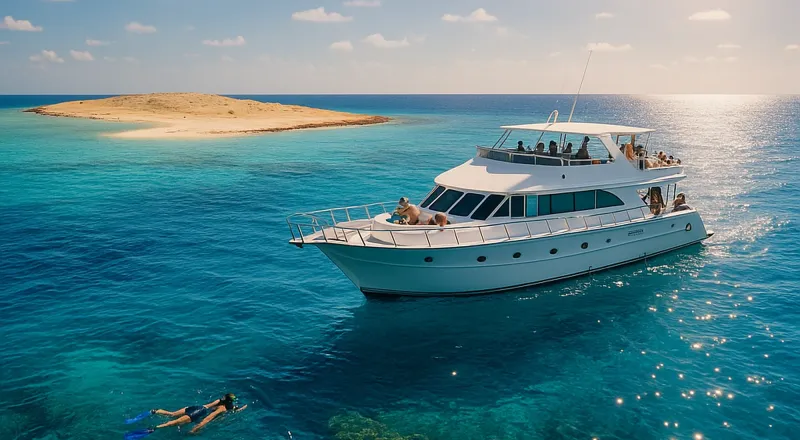
Packing List For A Red Sea Diving Trip: Essentials For An Unforgettable Adventure
For a Red Sea diving trip, pack a well-fitted wetsuit, mask, snorkel, fins, dive computer, and essential travel documents. Bring reef-safe sunscreen, a hat for sun protection, and a dry bag for valuables. Include a light jacket for cooler evenings and a reusable water bottle to stay hydrated. Prepare for varying water temperatures depending on the season.
Key Takeaways
- Mobile phone photography at Egyptian Ministry sites is free of charge; commercial filming requires prior permission.
- Hurghada’s average daily high in July is 35.0 degC and low is 27.1 degC, per the World Meteorological Organization.
- Card payment for site tickets is available at Giza via self-service machines, but not guaranteed elsewhere.
- Free entry to Egyptian monuments for children under 6, Egyptian seniors 60+, Egyptians with special needs, and orphaned children, with some exclusions at NMEC.
- Arrive at least one hour before closing time at monuments and museums, as recommended by the Ministry of Tourism and Antiquities.
Embarking on a Red Sea diving trip is an experience that combines world-class underwater exploration with the vibrant culture and stunning landscapes of Egypt. The Red Sea is globally renowned for its crystal-clear waters, colorful coral reefs, and abundant marine life, attracting divers of all levels. Whether you are planning your first dive or returning for another adventure, packing the right gear ensures comfort, safety, and enjoyment throughout your journey. From the bustling dive resorts of Hurghada and Sharm El-Sheikh to remote liveaboard expeditions, the region offers something for every diving enthusiast. With temperatures and conditions varying by season and location, a carefully curated packing list can help you avoid common pitfalls and maximize your time underwater. In addition to your diving essentials, consider the practicalities of travel in Egypt, local customs, and environmental responsibility. This guide will walk you through everything you need for a seamless Red Sea diving holiday, so you can focus on making memories beneath the waves.
For those seeking more adventure after their dives, Egypt’s diverse attractions—from the ancient wonders of Giza to the vibrant city life of Cairo—are within easy reach. Whether you’re combining your trip with a Cairo Nile Cruise Red Sea Tour or exploring the Red Sea Sinai Attractions, thoughtful preparation is key to a rewarding Egyptian holiday.
Red Sea Diving Conditions: What to Expect
The Red Sea is celebrated for its warm, clear waters and exceptional visibility, making it a top destination for scuba diving and snorkeling. However, water temperatures and weather conditions can change throughout the year. For example, Hurghada in July sees an average daily high of 35.0 degC and a low of 27.1 degC, while December brings a high of 23.2 degC and a low of 13.0 degC, according to the World Meteorological Organization. Sharm El-Sheikh follows a similar pattern, with August highs reaching 38.8 degC and lows at 28.3 degC. These variations mean that your packing list should adapt to the season of your visit.
| Location | Month | Average Daily High (degC) | Average Daily Low (degC) |
|---|---|---|---|
| Hurghada | July | 35.0 | 27.1 |
| Hurghada | December | 23.2 | 13.0 |
| Sharm El-Sheikh | August | 38.8 | 28.3 |
| Sharm El-Sheikh | January | 21.9 | 13.5 |
With these temperature shifts, divers visiting in winter months may need thicker wetsuits, while summer visitors should focus on sun protection and hydration. For more insights on seasonal travel, see How To Visit Egypt During Peak Season Without Crowds.
Diving Gear: Essentials to Pack
While many dive centers in Egypt offer rental equipment, bringing your own well-fitted gear can enhance comfort and safety. At a minimum, pack a mask, snorkel, fins, and a wetsuit suitable for the season. A 3mm wetsuit is often sufficient for summer, but winter conditions may call for a 5mm or even 7mm suit. Include a dive computer, surface marker buoy, and a torch for night dives. For underwater photography, remember that mobile phone photography is free of charge at Ministry sites, but commercial and professional filming requires prior permission.
For those planning to explore beyond the Red Sea, such as the Alexandria Attractions or embarking on combined tours with Egypt, packing versatile gear that suits both aquatic and land-based excursions is highly recommended.
Personal Items and Clothing
Egypt’s sun can be intense, especially along the coast. Pack lightweight, breathable clothing, a wide-brimmed hat, and UV-protective sunglasses. Reef-safe sunscreen is essential to protect both your skin and the marine environment. Bring a light jacket or fleece for cooler evenings, particularly from November to March. A dry bag will keep your valuables safe and dry during boat trips. Don’t forget swimwear, flip-flops, and a cover-up for moving between the dive boat and shore.
If your itinerary includes desert adventures like the Great Sand Sea, pack a scarf or buff for wind and sand protection. Those interested in exploring Egypt’s tranquil side can find inspiration in Why Siwa Oasis Is Egypt’s Most Peaceful Destination.
Travel Documents and Practicalities
Carry your passport, visa, and copies of travel insurance that covers diving activities. If you qualify for free entry to monuments—such as children under 6, Egyptian seniors 60+, Egyptians with special needs, or orphaned children—do bring the necessary identification, as required by the Ministry of Tourism and Antiquities. Students must present a valid ID and their age must not exceed 24 to benefit from student rates. All monument ticket prices are in Egyptian Pounds (EGP), and self-service machines at Giza accept bank cards for site tickets, though this is not guaranteed at every site.
For up-to-date information on opening hours, especially during Ramadan when reduced hours apply, check the official ticketing portal. Arrive at least one hour before closing time at monuments and museums, as recommended by the Ministry.
Health, Safety, and Environmental Care
Hydration is crucial in Egypt’s climate, so pack a reusable water bottle. Bring a small first aid kit with seasickness remedies, motion sickness bands, and any personal medications. To support marine conservation, use only reef-safe sunscreen and avoid touching or collecting marine life. For more on responsible travel and adventure, read Top Adventures In Egypt For Thrill-Seekers.
For those who wish to combine diving with Egypt’s rich cultural heritage, consider an Egypt Excursions Tour or a longer itinerary such as the 11 Day Cairo Nile Cruise Red Sea Christmas Tour.
Red Sea Diving Trip Packing Checklist
- Wetsuit (thickness according to season)
- Mask, snorkel, and fins
- BCD, regulator, and dive computer
- Surface marker buoy and torch
- Reef-safe sunscreen and after-sun lotion
- Wide-brimmed hat and UV sunglasses
- Lightweight, breathable clothing and swimwear
- Light jacket or fleece for evenings
- Dry bag for valuables
- Reusable water bottle
- Travel documents and insurance
- Personal medications and small first aid kit
- Underwater camera or GoPro (optional; check local photography rules)
- Adapters and chargers for electronics
For those looking to explore more water activities, discover the best snorkeling spots in Egypt beyond Hurghada.
Extending Your Adventure: Beyond Diving
Many travelers combine their Red Sea diving trip with cultural or desert adventures. Consider a journey along the Nile or a visit to Egypt’s legendary cities. Options such as Egypt Travel Packages and Days Cairo Nile Cruise Red Sea Tour allow you to craft a multi-faceted itinerary. The Red Sea Sinai region also offers unique attractions, from desert monasteries to colorful canyons, making it ideal for those who want to balance relaxation with exploration.
FAQ: Packing For a Red Sea Diving Trip
What wetsuit thickness should I bring for Red Sea diving?
For Red Sea diving, a 3mm wetsuit is generally suitable for summer, while a 5mm or 7mm wetsuit is recommended for winter months due to cooler water temperatures, especially in Hurghada and Sharm El-Sheikh.
Is it better to rent or bring my own diving equipment?
Bringing your own well-fitted diving gear enhances comfort and safety, but reputable dive centers in Egypt offer quality rental equipment for those who prefer to travel light.
Can I use my mobile phone for underwater photography?
Photography with a mobile phone is free of charge at Ministry sites, but commercial, television, and cinema filming require prior permission; always check local rules before using cameras underwater.
Are there any free entry policies for monuments and museums in Egypt?
Free entry is available for children under 6, Egyptian seniors 60+, Egyptians with special needs, and orphaned children, with some exclusions at NMEC on Fridays, Saturdays, and public holidays, per the Ministry of Tourism and Antiquities.
What currency is used for monument tickets in Egypt?
All monument ticket prices are listed in Egyptian Pounds (EGP), as published by the Ministry's official ticketing service.
Can I pay for site tickets by card?
Self-service machines at Giza accept bank cards for site tickets, but card acceptance is not guaranteed at every location; always bring cash as a backup.
What sun protection is recommended for the Red Sea?
Use reef-safe sunscreen, a wide-brimmed hat, and UV-protective sunglasses to protect yourself and the marine environment from sun exposure during your Red Sea diving trip.
Are there any special recommendations for visiting during Ramadan?
During Ramadan, sites and museums operate on reduced hours, which are published per site on the official ticketing portal; always check before planning your visit and arrive at least one hour before closing.