Great Sand Sea
Great Sand Sea: The Endless Ocean of Sand in Egypt’s Western Desert
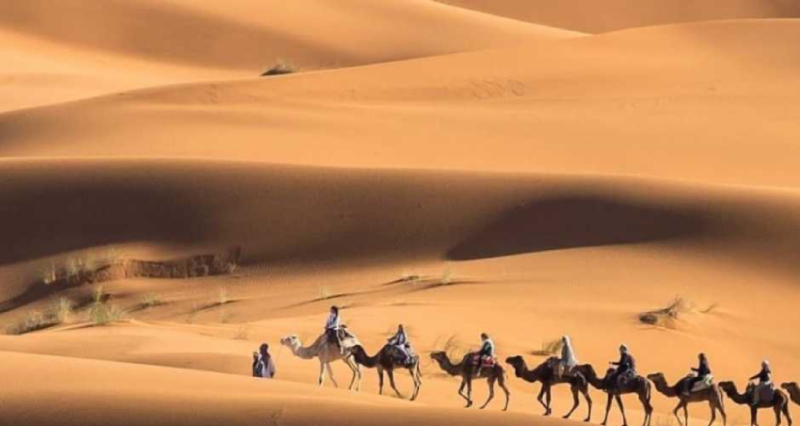
The Great Sand Sea, one of the most enigmatic natural wonders in Egypt, stretches across the heart of the Western Desert with a hypnotic beauty that rivals the most famous landscapes on Earth. It’s a vast ocean of golden dunes covering roughly 72,000 square kilometers between Egypt and Libya. This remarkable sea of sand forms an integral part of Egypt’s desert geography, enveloping travelers in an awe-inspiring world of serenity, silence, and raw natural majesty. From its sweeping dunes sculpted by relentless winds to the shimmering mirages that dance across its horizon, the Great Sand Sea isn’t merely a geographical landmark—it’s an experience that immerses the soul in the timeless rhythm of the Sahara.
Travelers who venture into this surreal desert often find themselves captivated by its ever-shifting landscapes. Here, the dunes rise and fall like ocean waves frozen in time, their patterns telling ancient stories of wind, erosion, and resilience. Historically, this region played a significant role in trade routes, exploration, and even wartime navigation during World War II. Today, it’s a paradise for adventurers, photographers, and seekers of tranquility who long to disconnect from the bustle of modern life and reconnect with nature’s raw essence. Many who embark on Egypt Desert Tours make the Great Sand Sea a highlight of their journey, drawn by its untouched allure and mysterious charm.
As the sun dips below the horizon, the dunes transform into a kaleidoscope of crimson, amber, and violet hues, while the night sky reveals a dazzling blanket of stars rarely seen elsewhere. Whether you’re a historian intrigued by the desert’s ancient secrets, a traveler chasing extraordinary adventures, or a dreamer yearning for solitude under the Milky Way, the Great Sand Sea promises a once-in-a-lifetime encounter with Egypt’s wild, untamed beauty.
Geographical Location and Formation of the Great Sand Sea
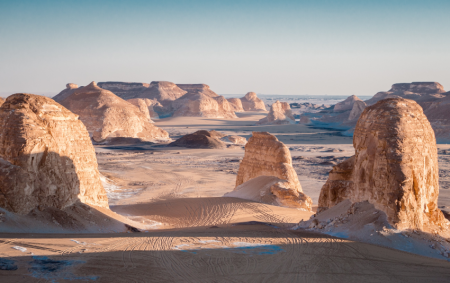
The Great Sand Sea lies in the southwestern corner of Egypt, stretching from the Siwa Oasis to the Gilf Kebir Plateau and beyond the Libyan border. This immense expanse of sand forms part of the broader Sahara Desert, specifically the Libyan Desert subdivision. Its unique crescent-shaped dunes—known as barchans—create mesmerizing patterns that shift with the wind’s direction and intensity. The dunes can reach heights exceeding 140 meters, forming a dynamic landscape that constantly evolves with time. Despite appearing lifeless, the Great Sand Sea supports a surprising variety of ecosystems, from hardy desert plants to small but resilient animal species.
Geologically, the Great Sand Sea owes its origins to millennia of wind erosion and sediment deposition. It’s believed that ancient river systems once crossed this region, leaving behind sediments that the desert winds later sculpted into dunes. This ever-changing environment also plays a crucial role in Egypt’s climate balance, reflecting sunlight and influencing local wind patterns. For travelers exploring the Great Sand Sea through Egypt Vacations Packages, understanding its formation enriches the appreciation of this geological marvel.
Historical Significance and Ancient Connections
The Great Sand Sea has long fascinated historians and explorers alike. Ancient Egyptian traders once crossed parts of it along caravan routes linking the Nile Valley with distant oases such as Siwa Oasis. Archaeological findings suggest the presence of prehistoric settlements and fossilized remains, revealing that this arid expanse was once a wetter environment teeming with life. During World War II, the Great Sand Sea became a strategic zone for military operations. Remnants of aircraft, vehicles, and other wartime relics still rest beneath its sands, silent witnesses to the desert’s role in 20th-century history.
Explorers such as Ahmed Hassanein Bey and Count László Almásy ventured deep into this region during the early 20th century, mapping its mysterious dunes and uncovering prehistoric rock art near Gilf Kebir. Their discoveries sparked global interest in Egypt’s desert landscapes, inspiring countless adventurers to follow in their footsteps. Today, guided expeditions offer travelers an opportunity to trace these legendary routes while uncovering hidden treasures buried within the Great Sand Sea’s golden waves.
The Great Sand Sea and the Legacy of Siwa Oasis
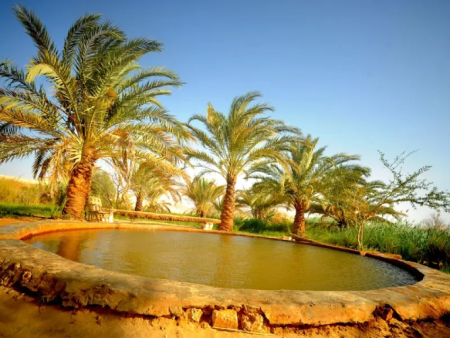
One of the most fascinating aspects of the Great Sand Sea is its proximity to Siwa Oasis, an ancient settlement steeped in myth and history. Siwa, home to the renowned Oracle of Amun, served as a spiritual beacon for travelers and pharaohs, including Alexander the Great, who sought divine recognition there. The oasis stands as a lush refuge on the edge of this vast barren sea, its palm groves and salt lakes providing a stark contrast to the surrounding dunes. The symbiosis between Siwa and the Great Sand Sea illustrates the extraordinary resilience of life in Egypt’s harshest environments.
Modern explorers can ride across towering dunes, visit natural springs like Cleopatra Spring, and explore ancient ruins such as Shali Castle. These journeys blend adventure with cultural discovery, allowing travelers to experience Egypt beyond the traditional Nile tours and delve into its remote desert heritage.
Adventure and Tourism in the Great Sand Sea
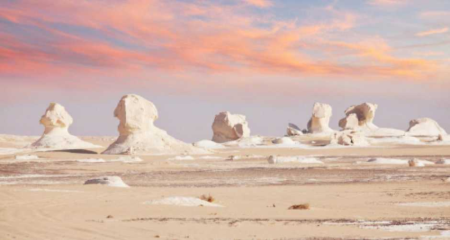
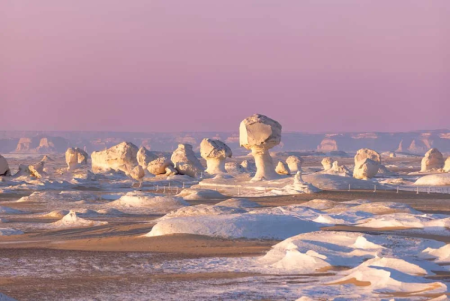
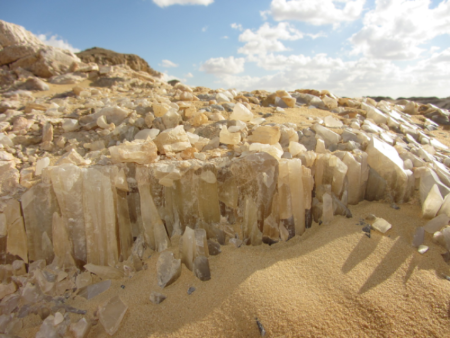
For thrill-seekers and nature enthusiasts, the Great Sand Sea offers some of the most exhilarating desert excursions in North Africa. Activities range from sandboarding and 4x4 dune bashing to overnight camping beneath the stars. Many travelers combine their adventures with visits to nearby attractions like the White Desert of Egypt and the captivating Crystal Mountain. Each excursion unveils a new facet of Egypt’s desert charm, from glowing mineral formations to fossilized marine landscapes that tell tales of an ancient sea long vanished.
Desert safari operators often design multi-day itineraries that include camel rides, Bedouin encounters, and guided treks through the dunes. These journeys emphasize sustainable tourism, preserving the fragile desert ecosystem while providing immersive cultural experiences. The Great Sand Sea also draws photographers who wish to capture its surreal interplay of light and shadow, especially during sunrise and sunset when the dunes come alive in brilliant golden hues.
Flora, Fauna, and Ecology in the Great Sand Sea
While seemingly barren, the Great Sand Sea sustains a surprisingly intricate ecosystem. Hardy acacia shrubs, desert grasses, and scattered tamarisks cling to life along ephemeral water channels. Wildlife such as sand foxes, jerboas, and desert larks adapt ingeniously to extreme aridity. Even the occasional fennec fox leaves delicate footprints in the morning sand. The region’s ecological balance reflects nature’s resilience. Understanding this biodiversity helps reinforce conservation efforts and sustainable travel practices that protect Egypt’s natural heritage.
Myths, Mirages, and the Mystique of the Great Sand Sea
The Great Sand Sea has inspired countless legends. Ancient Egyptians believed the desert to be a spiritual frontier separating the world of the living from the realm of the gods. Mirages shimmering over the dunes often mystified travelers, giving rise to tales of lost cities and hidden treasures. Some explorers claim to have discovered mysterious glassy substances—known as Libyan Desert Glass—formed by meteorite impacts thousands of years ago. This translucent material was even used in the burial jewelry of Pharaoh Tutankhamun, linking the Great Sand Sea to ancient Egyptian royalty.
Modern researchers continue to study this natural glass to understand its extraterrestrial origins and geological implications. These discoveries underscore the desert’s dual identity as both a scientific marvel and a source of mythic wonder. Visitors exploring the region are often struck not only by its silence but also by the profound sense of time and mystery that envelops the landscape.
Best Time to Visit the Great Sand Sea
The ideal time to explore the Great Sand Sea is between October and April when daytime temperatures remain comfortable for desert travel. The cooler months offer clear skies, making them perfect for stargazing and photography. Travelers can join organized expeditions as part of Egypt Excursions that include camping, guided exploration, and cultural visits to nearby oases. Summer months, while intense, attract those seeking solitude and adventure away from the usual tourist trails.
Preparation is essential—adequate hydration, protective clothing, and experienced guides ensure safety and comfort in this remote terrain. Many enthusiasts also combine their Great Sand Sea journey with cultural tours across Cairo city or relaxing cruises along The Nile River for a complete Egyptian experience that contrasts urban vibrancy with desert tranquility.
Preserving the Great Sand Sea: Environmental and Cultural Importance
As tourism grows, responsible travel practices are vital to protect the Great Sand Sea’s fragile ecosystem. Avoiding litter, minimizing vehicle impact, and supporting local communities ensure that this spectacular desert remains pristine for generations. Conservation initiatives also aim to document endangered flora and fauna, while educational programs promote awareness about desert ecology. Moreover, cultural preservation is equally important. Bedouin traditions, ancient desert navigation techniques, and oral histories offer invaluable insight into humanity’s relationship with the Sahara’s vastness.
Frequently Asked Questions about the Great Sand Sea
What makes the Great Sand Sea unique compared to other deserts?
The Great Sand Sea stands out for its immense size, distinctive dune patterns, and historical significance. It’s one of the few places on Earth where dunes form long, parallel ridges stretching for hundreds of kilometers, creating a surreal, oceanic landscape. The combination of natural beauty, archaeological relevance, and adventure potential makes it a must-visit location for desert explorers.
Where is the Great Sand Sea located?
The Great Sand Sea lies between Egypt and Libya, covering much of Egypt’s Western Desert. It extends from near the Siwa Oasis in the north to the Gilf Kebir Plateau in the south. The majority of its expanse lies within Egypt’s borders, making it accessible through guided desert tours departing from Siwa or Bahariya.
Can tourists visit the Great Sand Sea safely?
Yes, tourists can safely visit the Great Sand Sea when accompanied by experienced guides or organized tour operators. Specialized vehicles, satellite communication, and local expertise ensure safe navigation across the dunes. Travelers are advised to plan trips through reputable companies that prioritize safety and sustainability.
What activities can travelers enjoy in the Great Sand Sea?
Travelers can engage in sandboarding, 4x4 dune driving, camel treks, stargazing, desert camping, and photography. Some tours also include visits to nearby oases, archaeological sites, and natural landmarks, offering a diverse blend of adventure and culture within a single journey.
Why is the Great Sand Sea important in Egyptian heritage?
The Great Sand Sea symbolizes Egypt’s connection to its desert frontier—a realm of both challenge and inspiration. Its ancient trade routes, wartime history, and geological wonders contribute to Egypt’s cultural and environmental identity. Preserving this landscape ensures that future generations can experience its untouched splendor and spiritual allure.
Our Partners
Our Awesome Partners