

Top Wildlife Experiences In Egypt: Where Nature Thrives Beyond the Pyramids
Egypt offers remarkable wildlife experiences, from birdwatching at Lake Nasser to desert safaris in the White Desert and dolphin encounters in the Red Sea. These adventures reveal a side of Egypt beyond its ancient monuments, appealing to nature lovers and adventure seekers alike. Most wildlife hotspots are accessible year-round, but seasonal migrations and local festivals can enhance your visit.
Key Takeaways
- Egypt is home to 7 UNESCO World Heritage sites, several of which protect unique ecosystems and wildlife.
- Free entry to Egyptian monuments and museums is offered to children under 6, Egyptian seniors 60+, Egyptians with special needs, and orphaned children, per the Ministry of Tourism and Antiquities.
- Photography with a mobile phone is free of charge at Ministry sites, though special permission is needed for commercial filming.
- Valid student ID and an age of 24 or under are required for discounted student tickets at wildlife and heritage sites.
- Card payment for site tickets is available at Giza self-service machines, but not guaranteed at all wildlife sites.
Egypt’s wildlife is as diverse as its landscapes, from the lush Nile Valley and the vast Sahara to the vibrant reefs of the Red Sea. While most travelers come for the pharaohs, those who venture off the classic route discover a living tapestry of rare birds, desert foxes, dolphins, and more. The country’s seven UNESCO World Heritage sites include natural reserves and protected areas that shelter unique flora and fauna. Whether you’re a passionate birder, a marine enthusiast, or simply seeking a tranquil escape, Egypt’s wild side will surprise and delight.
Timing your visit is key, as some wildlife spectacles—like bird migrations or desert blooms—are seasonal. During major festivals such as Eid or Ramadan, opening hours at reserves and museums may differ, so always check official sources before planning your excursions. For those interested in eco-friendly travel, Egypt offers responsible ways to experience its natural wonders without leaving a trace.
Egypt’s Top Wildlife Destinations
Egypt’s protected areas are scattered across the country, each with its own distinct ecosystem. The following table highlights the most popular wildlife destinations, their main attractions, and practical visitor information where published by official sources. Official fees and hours are revised periodically; always confirm details via the latest official channels.
| Wildlife Destination | Location | Main Wildlife | Special Notes |
|---|---|---|---|
| Wadi El Rayan | Fayoum Oasis, Western Desert | White gazelles, fennec foxes, migratory birds | Home to Egypt’s only waterfalls |
| Ras Mohammed National Park | Southern Sinai Peninsula | Dolphins, sea turtles, over 200 coral species | World-class snorkeling and diving |
| Lake Nasser | Upper Egypt, near Aswan | Nile crocodiles, African skimmers, fish eagles | Best for birdwatching and fishing |
| White Desert National Park | Farafra, Western Desert | Desert foxes, sand cats, rare reptiles | Striking chalk formations, overnight camping |
| Wadi Gemal National Park | Red Sea coast, south of Marsa Alam | Dugongs, green turtles, ibex | Eco-lodges and Bedouin-run tours |
Birdwatching in Egypt: A Migratory Marvel
Egypt’s position at the crossroads of Africa, Asia, and Europe makes it a vital stopover for millions of migratory birds. The wetlands of Lake Qarun and Lake Nasser teem with flamingos, herons, and pelicans during migration seasons. Ras Mohammed National Park is renowned for its birdlife, including ospreys and sooty falcons. For a truly immersive experience, join a guided birdwatching tour, especially during spring and autumn migrations. If you’re planning to explore Egypt’s birding hotspots during festival periods, check the latest schedules in our guide to Festivals & Events In Egypt Throughout The Year.
Desert Wildlife: Life Among the Sands
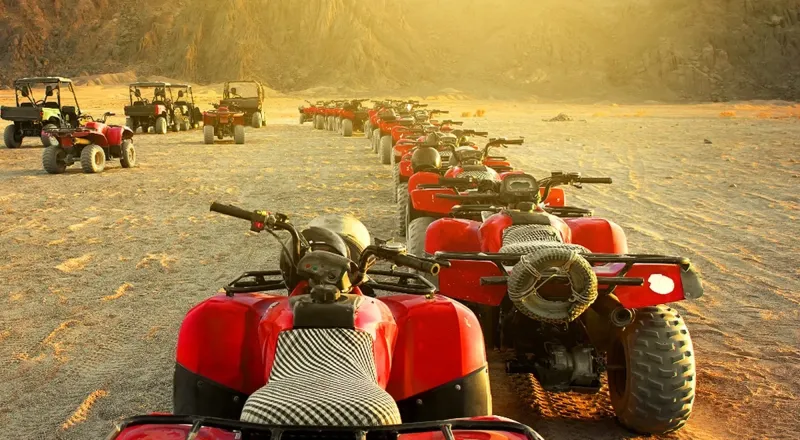
The Egyptian deserts, though seemingly barren, harbor resilient wildlife. The White Desert, with its surreal chalk formations, is home to the elusive fennec fox and sand cat. Wadi El Rayan in Fayoum protects endangered white gazelles, while Sinai’s rugged mountains shelter Nubian ibex and rare birds of prey. Desert safaris offer a chance to spot these creatures and experience Bedouin hospitality. For those concerned about the impact of heat, our article on How To Travel Egypt During The Summer Heat provides practical tips for safe wildlife adventures.
Red Sea Wonders: Marine Life Encounters
The Red Sea coastline is a paradise for marine enthusiasts. Ras Mohammed National Park and Wadi Gemal National Park offer encounters with dolphins, sea turtles, and vibrant coral reefs. Snorkeling and diving trips reveal a kaleidoscope of fish, while lucky visitors may spot the rare dugong grazing on seagrass beds. Eco-lodges along the coast support sustainable tourism and help protect fragile marine habitats. For travelers committed to responsible tourism, discover Eco-Friendly Ways To Travel Egypt for guidance on minimizing your environmental footprint.
Nile Valley and Oasis Wildlife: The Lush Heart of Egypt
The Nile Valley, stretching from Cairo to Aswan, supports a surprising array of wildlife. Monitor lizards, frogs, and an array of birds thrive in the riverine environment. The oases of the Western Desert, such as Siwa and Bahariya, are havens for migratory birds and desert-adapted animals. Combine a wildlife excursion with cultural exploration for a deeper appreciation of Egypt’s natural and human heritage. If you’re visiting during peak travel times, see our advice on How To Visit Egypt During Peak Season Without Crowds for a more tranquil experience.
Practical Tips for Wildlife Adventures in Egypt
Entry Fees, Tickets, and Photography
All monument and reserve ticket prices are in Egyptian Pounds (EGP), as published by the Ministry’s official ticketing service. Free entry to monuments and museums is granted to children under 6, Egyptian seniors 60+, Egyptians with special needs, and orphaned children. At Giza, self-service machines accept bank cards for site tickets, but card acceptance is not guaranteed at all wildlife sites. Students up to age 24 with valid ID may receive discounted tickets. Photography with a mobile phone is free of charge at Ministry sites, but commercial filming requires prior permission. Arrive at least one hour before closing time, especially during Ramadan or public holidays when hours may change.
Responsible Wildlife Viewing
Respect wildlife by keeping a safe distance and avoiding loud noises. Many protected areas employ local guides who offer valuable insight into animal behavior and conservation. Support eco-friendly operators and choose accommodations that follow sustainable practices. If you plan to shop for local handicrafts during your trip, learn more about ethical buying in our Beginner’s Guide To Haggling In Egyptian Markets.
Travel Safety and Cultural Etiquette
Wildlife excursions often take you off the beaten path. Be prepared for variable conditions, bring adequate water, and dress appropriately for the environment. During visits to local communities or markets, stay mindful of customs and avoid common pitfalls—our guide to How To Avoid Tourist Scams In Khan Al-Khalili is a helpful resource for all travelers.
Frequently Asked Questions: Wildlife in Egypt
What is the best time of year for wildlife watching in Egypt?
The best time for wildlife watching in Egypt is during the cooler months from October to April, when migratory birds arrive and desert temperatures are more comfortable for outdoor activities.
Are there any dangerous animals to be aware of in Egypt’s wild areas?
While most wildlife in Egypt poses little threat to visitors, some areas, such as Lake Nasser, are home to Nile crocodiles. Always follow the advice of local guides and respect posted warnings for your safety.
Do I need special permits for wildlife photography in Egypt?
Photography with a mobile phone is free of charge at Ministry sites, but commercial or professional filming requires prior permission from the relevant authorities.
Can I pay for wildlife park tickets by card?
At Giza, self-service machines accept bank cards for site tickets, but card payment is not guaranteed at all wildlife sites, so carrying cash in Egyptian Pounds (EGP) is recommended.
Which wildlife experiences are suitable for families with children?
Many wildlife experiences in Egypt are family-friendly, including birdwatching at Lake Qarun, snorkeling in the Red Sea, and exploring desert parks like Wadi El Rayan. Children under 6 enjoy free entry to monuments and museums per the Ministry of Tourism and Antiquities.