
El minya
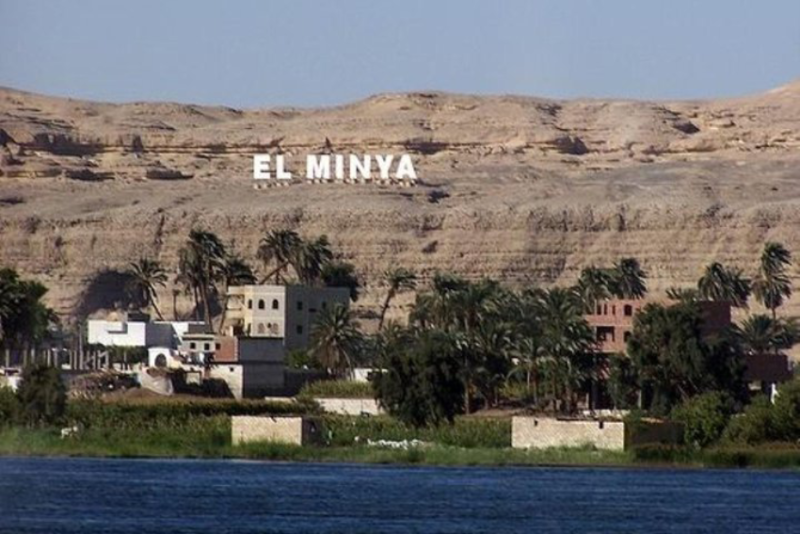
El Minya: The Hidden Gem of Middle Egypt
El Minya, affectionately known as the 'Bride of Upper Egypt', is one of the most fascinating yet often overlooked destinations in Egypt. Nestled along the banks of the Nile River, this historic governorate bridges the cultural gap between ancient heritage and modern Egyptian life. With its wealth of archaeological treasures, breathtaking cliffs, and warm hospitality, El Minya offers travelers a more intimate glimpse into Egypt’s heart. Its history is steeped in the glory of pharaohs, the mystery of tombs, and the spiritual roots of early Christianity. While cities like Cairo or Luxor often steal the spotlight, El Minya quietly preserves an authentic charm that feels both mystical and inviting.
Stretching across lush farmlands and ancient ruins, El Minya reflects the real Egypt — the one alive with villages, farmers, and the scent of sugarcane. Its archaeological sites such as Tell El Amarna Egypt and Beni Hassan Tombs shine a light on the Middle Kingdom and the radical era of Pharaoh Akhenaten. Visitors wander through cliff-cut tombs adorned with vivid paintings, or trace the footsteps of early Christian pilgrims who sought refuge in this sacred land. For travelers seeking a deeper connection with Egypt beyond the well-worn tourist trail, El Minya delivers history, authenticity, and serenity in equal measure.
As part of many Egypt Travel Packages and Egypt Nile Cruises, El Minya is emerging as a top destination for cultural explorers. Whether you’re drawn by the call of ancient art, the allure of desert cliffs, or the tranquil flow of the Nile, this remarkable region promises an unforgettable journey through time.
Historical Overview of El Minya: The Heart of Ancient Egypt
El Minya’s origins trace back to ancient Egypt’s Old Kingdom, but its golden age truly flourished during the Middle and New Kingdoms. Known as Men’at Khufu, the land was dedicated to the goddess Hathor, protector of love and motherhood. The region became a strategic and cultural hub thanks to its position along the Nile, linking northern and southern Egypt. It was here that Pharaoh Akhenaten, the revolutionary ruler of the 18th Dynasty, established his capital city of Akhetaten — modern-day Tell El Amarna. This bold move marked the dawn of monotheism, as Akhenaten worshipped the sun disk Aten above all others.
Today, visitors walking through the ruins of Amarna can still feel the echoes of this spiritual rebellion. The tombs of nobles reveal intricate carvings depicting daily life, trade, and devotion. El Minya’s history also stretches into the Christian era, when early believers carved monasteries into its cliffs, turning the region into a sanctuary of faith. Later, Islamic influences enriched the city with mosques, markets, and architecture that reflect centuries of coexistence and evolution. El Minya thus stands as a living museum of Egypt’s religious, political, and artistic transformations.
Geographical Beauty: The Landscape that Inspires
Bordered by fertile plains and limestone cliffs, El Minya’s landscape is as captivating as its history. The Nile snakes gracefully through the governorate, nurturing palm groves and sugarcane fields. The city of El Minya itself enjoys a mild climate, making it an ideal destination year-round. The contrast between the river’s life-giving waters and the surrounding desert creates a picturesque scene reminiscent of classic Egypt. For photographers and nature lovers, the golden sunsets over the cliffs are a sight to behold — especially from river-view hotels or aboard a Best Nile River Cruise.
Top Historical Sites and Attractions in El Minya
El Minya boasts an impressive list of archaeological wonders and cultural highlights. Among the most significant are:
Beni Hassan Tombs
Located on the eastern bank of the Nile, the Beni Hassan Tombs are among Egypt’s most remarkable Middle Kingdom sites. The tombs, belonging to provincial governors and high officials, feature well-preserved paintings that capture scenes of daily life, sports, and warfare. The artistry here reveals the exceptional craftsmanship of ancient Egyptian artisans and offers historians invaluable insight into the Middle Kingdom’s social hierarchy. A visit to Beni Hassan feels like stepping into a vivid mural of Egypt’s distant past.
Tell El Amarna: The City of the Sun
Perhaps the most intriguing site in El Minya, Tell El Amarna was once Akhenaten’s revolutionary capital. Founded in honor of the sun god Aten, this city introduced new art styles and beliefs that broke from Egypt’s millennia-old traditions. Visitors can explore the remains of royal palaces, temples, and tombs, including that of Meryra, the High Priest of Aten. The area provides a profound glimpse into the reign of a pharaoh whose ideas reshaped Egyptian theology and art forever.
Tuna El-Gebel Necropolis
West of El Minya lies Tuna El-Gebel, the burial site for the sacred animals of Thoth, the god of wisdom. Catacombs filled with mummified ibises and baboons reveal Egypt’s deep spiritual connection to its fauna. The necropolis also contains the tomb of Petosiris, a blend of Greek and Egyptian art that represents the cultural transition during the Greco-Roman period. For archaeology enthusiasts, Tuna El-Gebel is a treasure trove waiting to be explored.
Hermopolis Magna (El Ashmunein)
This ancient city, once a center of worship for Thoth, was a major intellectual hub in ancient Egypt. Although much of its grandeur lies in ruins, the site offers mesmerizing remnants of temples, statues, and columns. Hermopolis reminds travelers that El Minya was not only a place of kings but also of thinkers and scribes who shaped Egypt’s legacy of knowledge.
Modern El Minya: A Blend of Culture and Progress
While history defines much of El Minya’s identity, the modern city is bustling with life. Cafés, markets, and local handicraft shops line its streets, offering visitors a taste of everyday Egyptian culture. The hospitality of the locals is unmatched — always eager to share stories and invite guests for tea. The city’s universities and cultural centers continue to keep its intellectual spirit alive, bridging the gap between past and present.
Adventure and Rural Life along the Nile
Beyond its historic sites, El Minya’s countryside provides a peaceful escape. Visitors can take felucca rides along the Nile or explore the desert’s limestone cliffs. For those seeking a unique travel experience, combining El Minya with Egypt Excursions or Egypt Vacations Packages allows for a balanced adventure of relaxation and exploration. The surrounding villages offer glimpses of traditional farming life, where oxen plow the fields and palm-fringed canals reflect a slower rhythm of existence.
Religious and Cultural Significance of El Minya
El Minya is deeply tied to Egypt’s spiritual heritage. It’s believed that the Holy Family — Joseph, Mary, and the infant Jesus — passed through the region during their flight into Egypt. This connection has made El Minya a destination for Christian pilgrims. Ancient monasteries carved into the cliffs, such as those in the village of Gabal El Teir, still welcome visitors seeking peace and reflection. The city’s mosques, too, add to its cultural tapestry, embodying centuries of Islamic art and devotion.
Travel Tips and Best Time to Visit El Minya
The ideal time to visit El Minya is from October to April, when temperatures are cooler and sightseeing is comfortable. The city is easily accessible from Cairo by train or private car, offering a scenic journey through the Nile Valley. While accommodations are more limited than in major tourist hubs, several charming hotels and guesthouses offer excellent service and river views. Including El Minya in your itinerary is a smart move for travelers seeking to uncover Egypt’s hidden gems beyond the usual stops like the Great Pyramids of Giza or Luxor City.
FAQs about El Minya, Egypt
1. Where is El Minya located in Egypt?
El Minya is situated in Middle Egypt, roughly 245 kilometers south of Cairo. It lies on both banks of the Nile River and serves as a gateway to Upper Egypt. Its strategic position made it a vital link between northern and southern Egypt throughout history.
2. What are the must-visit attractions in El Minya?
The top attractions include the Beni Hassan Tombs, Tell El Amarna Egypt, Tuna El-Gebel Necropolis, and Hermopolis Magna. Each site offers a distinct glimpse into Egypt’s ancient civilization, from the Middle Kingdom to the Amarna Period and beyond.
3. Is El Minya safe for tourists?
Yes, El Minya is generally safe for travelers. As with any destination, it’s advised to travel with a local guide and respect cultural norms. The local people are welcoming, and the atmosphere is peaceful, especially along the riverbanks and in the archaeological zones.
4. How can I include El Minya in my Egypt itinerary?
Many Egypt Luxury Tours and customized travel packages now include El Minya as a cultural extension. Visitors can also book private transfers from Cairo or join historical-themed tours that focus on Akhenaten’s reign and early Christian landmarks.
5. What makes El Minya unique compared to other Egyptian cities?
El Minya stands out for its authenticity and untouched beauty. Unlike tourist-heavy cities, it offers genuine local experiences combined with monumental history. From the revolutionary city of Amarna to the serene monasteries along the cliffs, El Minya encapsulates Egypt’s diverse spiritual and historical essence in one captivating region.

Our Partners
Our Awesome Partners