

Tunis Village Pottery
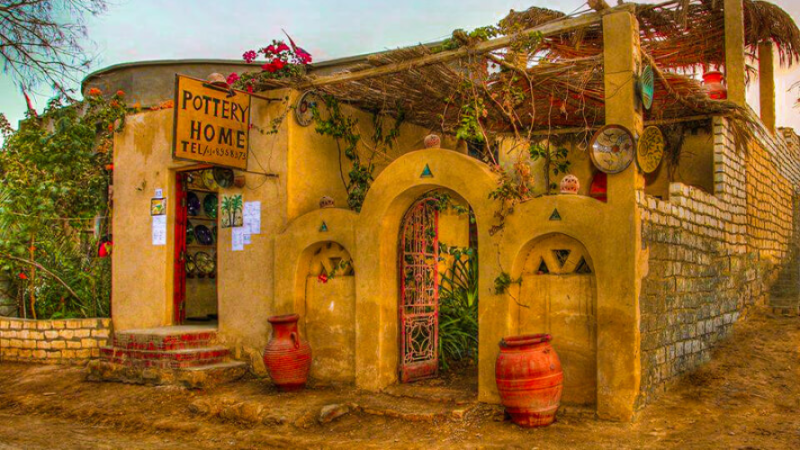
Tunis Village Pottery: The Heartbeat of Artistic Tradition in Fayoum Egypt
Nestled along the tranquil shores of Qarun Lake in Egypt’s Fayoum Oasis, Tunis Village has become an artistic sanctuary celebrated worldwide for its unique handcrafted pottery. This charming village, with its serene landscape and creative soul, embodies the essence of Egyptian craftsmanship and cultural preservation. The art of Tunis Village pottery isn’t just about clay and kilns—it’s a living narrative of heritage, community, and innovation. Wander through the narrow lanes, and you’ll see workshops humming with artisans shaping earthenware that bridges ancient tradition with modern invention. Each piece tells a story, molded by hands that have inherited centuries of skill. For travelers seeking an authentic cultural encounter, Tunis Village pottery offers a glimpse into a slower, more soulful Egypt—one rooted in artistry, unity, and respect for the earth.
Visitors often pair a trip to this picturesque village with nearby attractions like Fayoum City, Tunis Village Faiyum, Wadi El Rayan, and Wadi Al Hitan, blending art, history, and nature into one unforgettable journey. From the moment you step foot in Tunis, the rhythmic sound of shaping clay and the earthy scent of fired pottery pull you into an experience unlike any other in Egypt. The village has evolved into both a destination and a community-driven hub where sustainability meets tradition, keeping the flame of Egyptian artistry alive and thriving.
The Birth of Tunis Village Pottery Tradition
The modern pottery movement in Tunis Village began in the 1980s when Swiss potter Evelyne Porret established a small pottery school for local children. Her vision was simple yet profound—empower villagers through art while preserving the cultural essence of the Fayoum region. Over time, her initiative blossomed into a thriving artistic community, attracting both Egyptian and international artists. Today, Tunis pottery stands as a symbol of empowerment, sustainability, and creativity. The local artisans blend traditional Egyptian pottery techniques with contemporary designs, producing distinctive works admired across the globe.
The influence of the surrounding desert and nearby natural wonders like Qarun Lake and Wadi El Hitan Egypt is evident in the natural hues and designs of Tunis pottery. The clay, drawn from Fayoum’s fertile soil, gives each piece a rustic charm that reflects the earth’s authentic colors and textures. This combination of raw material and human passion has positioned Tunis pottery as a cornerstone of Egypt’s artisanal identity.
Craftsmanship Rooted in Egyptian Heritage
Each artisan in Tunis Village carries a deep respect for tradition, yet isn’t afraid to experiment. The pottery-making process typically begins with sourcing local clay, which is purified, shaped, and fired at high temperatures to create durable ceramics. Artisans then decorate their works with patterns inspired by Fayoum’s wildlife, palm groves, and rural life. This fusion of old and new gives Tunis pottery its soul—unpretentious, functional, and visually striking. From colorful plates and vases to intricate tiles and sculptures, Tunis artisans continually reinvent the boundaries of their craft.
The Role of Pottery in Tunis Village’s Economy
Pottery isn’t merely an art form in Tunis Village—it’s the heart of the local economy. The majority of families depend on this craft for their livelihood, which has transformed the village into a model for rural artistic sustainability. Tourism, particularly those on Egypt Vacations Packages and Egypt Excursions, continues to fuel growth in the village economy. Handmade pottery from Tunis is now showcased in galleries and sold at artisan fairs throughout Egypt and beyond, adding value not just to individual artists but to the country’s broader cultural tourism appeal.
Community and Education Through Pottery
Beyond the economic benefits, pottery has become a tool for education and community development in Tunis Village. The local pottery schools continue to teach new generations of artisans. Young students learn everything—from shaping and glazing to firing techniques—ensuring the sustainability of this craft. The Tunis Village Pottery Festival, held annually, attracts both local and international visitors who come to witness mastery, purchase unique works, and participate in workshops. It has become a cultural highlight that strengthens community bonds and amplifies global appreciation for Egyptian craftsmanship.
Environmental Harmony and Resourcefulness in Tunis Craftsmanship
One striking feature of Tunis Village pottery is its strong ecological consciousness. Artisans reuse natural resources and practice environmentally friendly methods that minimize waste. Kilns are often fueled by locally available materials, and pigments are derived from natural minerals. This harmony with nature reflects a deeper philosophy—respect for the earth as both muse and material. The artistry found here echoes the surrounding landscape, mirroring the calm waters and the desert’s golden tones in every curve and glaze.
A Cultural and Artistic Haven for Travelers
Tunis Village has evolved into an essential stop for travelers seeking cultural depth. It offers hands-on pottery workshops, intimate guesthouses, and stunning views of Fayoum’s countryside. The art scene here is intertwined with the rhythm of rural Egyptian life, where visitors can watch artisans at work or even try their hand at the pottery wheel. The village’s proximity to The White Desert of Egypt and Egypt Desert Tours makes it an excellent destination for those blending adventure with artistic exploration. Whether part of luxury tours or eco-friendly getaways, Tunis Village provides a sensory journey that ignites curiosity and creativity alike.
Design Characteristics and Symbolism of Tunis Pottery
Tunis pottery is distinguished by its simple yet powerful aesthetic. The designs often depict Egyptian flora and fauna—birds, fish, date palms, and geometric motifs reminiscent of ancient Egyptian art. Each motif carries symbolism that reflects harmony, fertility, and balance. The glazing techniques produce a range of colors, from earthy browns and deep blues to vibrant greens. These hues are inspired by the Fayoum landscape, echoing the tones of The Nile River and the surrounding desert. Through these artistic expressions, Tunis Village maintains a poetic dialogue between past and present, nature and human creativity.
Tunis Village Pottery Festival: A Celebration of Art and Heritage
Every year, the Tunis Village Pottery Festival becomes a vibrant celebration of Egyptian culture. The festival includes exhibitions, live pottery demonstrations, local food markets, and workshops for visitors of all ages. Artists from across Egypt gather to share their techniques, while international guests discover the authenticity of handmade ceramics. The event has elevated Tunis Village from a small artistic community to a national symbol of creative revival. This synergy of art, tourism, and heritage ensures that Tunis pottery remains relevant and respected globally.
The Future of Tunis Pottery and Artisan Sustainability
As global interest in sustainable art grows, Tunis Village pottery continues to thrive. The younger generation of artisans integrates modern design trends with enduring craftsmanship, appealing to contemporary tastes while preserving cultural integrity. The global recognition of Tunis pottery has encouraged collaborations with designers, galleries, and educational institutions. With the growing eco-tourism movement, Tunis stands as a model for how local traditions can lead sustainable development and cultural preservation simultaneously.
Visiting Tips for Tunis Village Pottery Lovers
Travelers planning to visit Tunis Village should consider staying in one of the local eco-lodges or guesthouses to fully immerse themselves in the community’s rhythm. Visiting during the annual pottery festival offers the best opportunity to engage with artisans. Don’t miss exploring nearby natural attractions like Fayoum Oasis, where nature and art blend seamlessly. Pairing your trip with Egypt Nile Cruises or Egypt Luxury Tours can transform your journey into an unforgettable Egyptian experience filled with culture, nature, and artistry.
FAQs About Tunis Village Pottery
What makes Tunis Village pottery unique compared to other Egyptian crafts?
Tunis Village pottery stands out for its blend of traditional Egyptian techniques and contemporary artistic expression. Using locally sourced clay and natural pigments, artisans create pieces that reflect Fayoum’s landscape and wildlife. The commitment to handmade, eco-friendly production ensures that each item is one-of-a-kind, embodying both sustainability and creativity.
How did the pottery tradition in Tunis Village begin?
The modern Tunis pottery tradition began in the 1980s when Swiss artist Evelyne Porret introduced pottery-making to local children. Her goal was to teach art as a means of empowerment and cultural preservation. Over time, this initiative grew into a thriving community where craftsmanship became both livelihood and legacy.
Can visitors participate in pottery workshops in Tunis Village?
Absolutely. Many workshops in Tunis Village welcome visitors to learn the basics of pottery-making—from molding clay to glazing and firing. These sessions provide hands-on insight into this ancient craft while fostering appreciation for Egyptian artisanal traditions.
What are the best times to visit Tunis Village for the pottery festival?
The Tunis Village Pottery Festival typically takes place in the fall, usually in November. This season offers pleasant weather and a lively atmosphere, making it ideal for exploring the village, attending exhibitions, and engaging with local artists.
Where can I buy authentic Tunis Village pottery?
Authentic Tunis pottery can be purchased directly from workshops in the village, ensuring that your purchase supports local artisans. You’ll also find their pieces in select galleries in Cairo and during cultural festivals across Egypt. Buying directly from the source guarantees authenticity and helps sustain the community’s artistic heritage.


Our Partners
Our Awesome Partners