

Tunis Village
Discover Tunis Village in Fayoum: Egypt's Hidden Artistic Haven
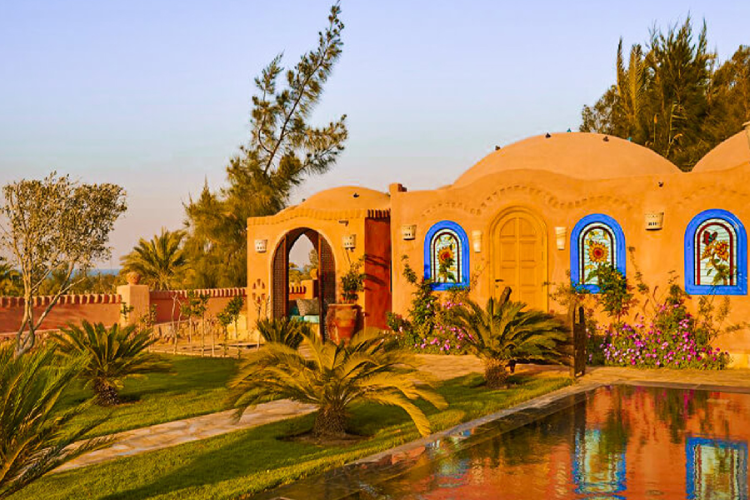
Tucked along the serene shores of Qarun Lake, Tunis Village in Fayoum stands as one of Egypt's most enchanting rural destinations. Known for its rustic charm, thriving pottery scene, and laid-back vibe, this quaint village has become a magnet for travelers seeking authentic Egyptian artistry and nature. Tunis Village isn't just a place; it's a living canvas of creativity where every corner tells a story of craftsmanship, community, and sustainability. The mix of desert and green landscapes, dotted with mud-brick homes, gives Tunis a magical aura that casts a spell on everyone who visits. Whether you’re an art lover, nature enthusiast, or simply craving an off-the-beaten-path escape, Tunis Village in Fayoum promises an unforgettable experience that blends culture, comfort, and creativity.
Located just a few hours southwest of Cairo city, Tunis Village offers a blissful retreat from the urban rush. Over the years, it has transformed from a sleepy village into a cultural hub, attracting artists, potters, and travelers from across the globe. What makes this spot truly special is its seamless harmony with nature—clay houses blend into the earth, olive trees sway gently in the breeze, and the mirror-like waters of Qarun Lake reflect the tranquil rhythm of village life. As the sun sets, the pink and gold hues of the sky illuminate the pottery studios, turning Tunis Village into a living artwork itself. No wonder it’s often featured in Egypt Excursions and travel itineraries highlighting Egypt’s cultural gems.
The Birth of Tunis Village: From Desert Hamlet to Artistic Paradise
The story of Tunis Village began in the 1960s when a group of Egyptian and foreign artists, led by Swiss potter Evelyn Porret, discovered the untouched beauty of Fayoum’s landscape. Enchanted by its natural clay and peaceful environment, Porret established a pottery school that later evolved into the heart of the village’s artistic identity. This small act of creativity rippled into a movement, transforming Tunis Village into one of Egypt’s most distinctive art centers. The pottery school became the foundation for dozens of workshops, galleries, and eco-lodges that define the village today.
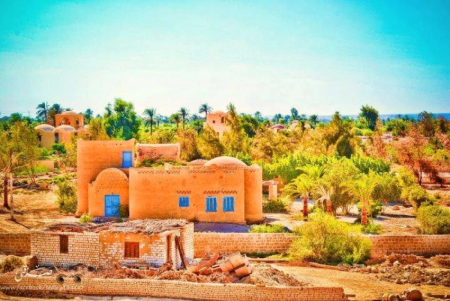
As word spread, more artists and travelers arrived, building homes inspired by Nubian architecture and local materials. The result? A harmonious blend of culture and ecology that celebrates Egyptian tradition while embracing global influences. Today, Tunis Village remains a living testament to creativity born of simplicity—a community that thrives on sustainable living, artisanal expression, and mutual respect for the land.
Pottery in Tunis Village: The Beating Heart of Creative Egypt
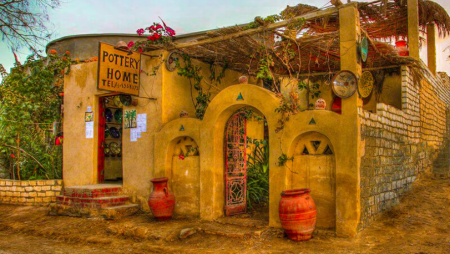
Walk through Tunis Village and you’ll instantly notice the rhythmic hum of pottery wheels and the earthy scent of clay. Pottery isn’t just an art form here—it’s a way of life. Every potter adds their own flair, producing elegant ceramics renowned for their natural hues and organic textures. Travelers often visit Tunis Village pottery studios to watch artisans at work, shaping clay into stunning bowls, plates, and sculptures inspired by Egyptian heritage.
The annual Tunis Pottery Festival, held each winter, draws visitors from around the world. During the festival, studios open their doors, artists exhibit their finest work, and workshops welcome curious learners eager to get their hands dirty. The event has become one of Fayoum’s major tourism highlights, shining a spotlight on eco-friendly craftsmanship and community engagement.
Eco-Lodges and Sustainable Tourism in Tunis Village
True to its roots, Tunis Village champions responsible tourism. Many of its charming lodges and guesthouses are built using sustainable methods—mud-brick walls, palm frond roofs, and solar energy systems. These eco-lodges perfectly capture the rustic charm of rural Egypt while offering modern comfort. Imagine waking up to the sound of birds, sipping coffee on a terrace overlooking Qarun Lake, and feeling utterly disconnected from the chaos of city life. Places like Lazib Inn Resort & Spa and Kom El Dikka Agri Lodge offer cozy retreats that echo the serene rhythm of the village.
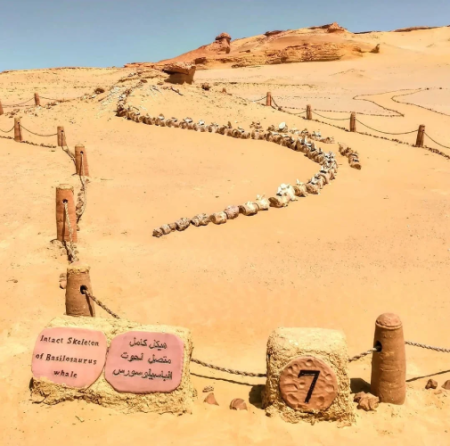
Travelers who love a touch of adventure can easily combine their stay with nearby attractions such as Wadi El Rayan waterfalls, the fossil-strewn desert of wadi al hitan, and the breathtaking dunes of The white desert of Egypt. The proximity of Tunis Village to these natural wonders makes it an ideal base for eco-tourists looking to explore Egypt’s wild side responsibly.
Fayoum’s Natural Beauty: The Perfect Backdrop for Tunis Village
Fayoum itself is a geographical marvel—a lush oasis surrounded by desert, where ancient waterways still nourish fertile fields. Tunis Village sits beautifully on this edge, offering panoramic views that include olive groves, palm trees, and the shimmering expanse of Qarun Lake. Birdwatchers will find the area especially rewarding, as migratory species flock to the wetlands during winter months. Sunsets here are nothing short of magical, with hues of amber and violet reflecting off the lake’s glassy surface.
For those who crave a deeper connection with Egypt’s natural heritage, a visit to Fayoum City offers insight into the region’s agricultural traditions and ancient roots. Fayoum’s mix of nature, history, and artistry creates a sensory experience that lingers long after you leave Tunis Village behind.
Art, Culture, and Local Life in Tunis Village
Tunis Village’s charm lies not only in its art but also in its people. The villagers are known for their warm hospitality and passionate storytelling. Walk along the narrow lanes, and you’ll find workshops buzzing with creativity, children playing in courtyards, and locals eager to share tales of village life. Many families have been involved in pottery for generations, passing down skills that continue to shape the community’s identity.
Local cuisine adds another layer to the experience—freshly baked bread, olives, and traditional Egyptian dishes prepared with farm-grown ingredients. Dining here is both a culinary and cultural journey that perfectly complements the village’s artistic soul. Travelers often combine a visit to Tunis Village with other nearby cultural and natural attractions through curated Egypt Travel Packages that highlight Fayoum’s unique charm.
Tunis Village: Where Heritage Meets Modern Creativity
While Tunis Village proudly preserves its traditional roots, it also embraces innovation. Young Egyptian artists and designers have breathed new life into the craft scene, merging contemporary aesthetics with traditional pottery techniques. The result is a dynamic creative landscape that appeals to both locals and global art collectors. The village has even become a hub for film shoots, photography retreats, and artist residencies.
Its growing popularity has inspired sustainable community projects, including art schools and environmental initiatives that empower local youth. This blend of tradition and modernity positions Tunis Village as a model for rural development across Egypt—proof that creativity can drive both cultural preservation and economic growth.
Practical Travel Tips for Visiting Tunis Village in Fayoum
Getting to Tunis Village is easy. From Cairo, it’s a scenic two-hour drive via the Fayoum Road, making it a convenient weekend getaway. It’s best to visit between October and April when the weather is mild and perfect for exploring. Comfortable walking shoes, a camera, and a spirit of adventure are essential companions. Many travelers opt for guided tours or combine the trip with desert excursions through curated Egypt Desert Tours for a well-rounded experience.
When shopping for pottery, look for unique handmade pieces signed by local artists. Prices vary depending on size and detail, but every purchase supports the community directly. And if you’re eager to learn, several studios offer short pottery workshops where you can create and fire your own clay masterpiece.
Frequently Asked Questions About Tunis Village Fayoum
What makes Tunis Village in Fayoum so special?
Tunis Village stands out for its vibrant art scene, eco-friendly living, and breathtaking setting near Qarun Lake. It’s a harmonious blend of nature, culture, and creativity where travelers can connect deeply with authentic Egyptian craftsmanship and community spirit.
How do I reach Tunis Village from Cairo?
The village is about two hours southwest of Cairo by car. Visitors can rent a vehicle, hire a private driver, or join one of the many organized Cairo Day Tours that include Fayoum and Tunis Village on their itinerary.
Is Tunis Village suitable for family travel?
Absolutely! With its safe environment, welcoming locals, and engaging pottery activities, Tunis Village is perfect for families. Kids especially enjoy the hands-on workshops where they can mold and paint clay creations of their own.
Can I stay overnight in Tunis Village?
Yes, the village offers several cozy eco-lodges and boutique hotels. Many accommodations are designed using traditional materials, providing a comfortable yet authentic village stay surrounded by scenic landscapes.
What other attractions can I visit near Tunis Village?
Nearby attractions include the waterfalls of Wadi El Rayan, the fossil-rich valley of Wadi Al Hitan, and the historical sites of Fayoum City. Adventurous travelers might also explore the fascinating dunes of the black and white desert egypt for an unforgettable outdoor experience.

Our Partners
Our Awesome Partners