

How Is the Climate in Egypt? Discover Egypt’s Weather Patterns and Seasonal Secrets
Egypt’s climate has fascinated travelers for centuries, shaping the rhythm of life along The Nile River, coloring the golden dunes, and defining the best times to explore its ancient treasures. Nestled in North Africa and bordered by the Mediterranean Sea and the Red Sea, Egypt’s weather is predominantly desert-like—hot, dry, and sunny almost year-round. Yet, beneath its apparent simplicity lies an intricate dance of temperature contrasts, seasonal shifts, and microclimates that surprise even seasoned travelers. Understanding how the climate in Egypt works helps visitors plan perfectly timed adventures, from exploring the Great Pyramids of Giza under soft winter light to cruising the Nile amid balmy breezes.
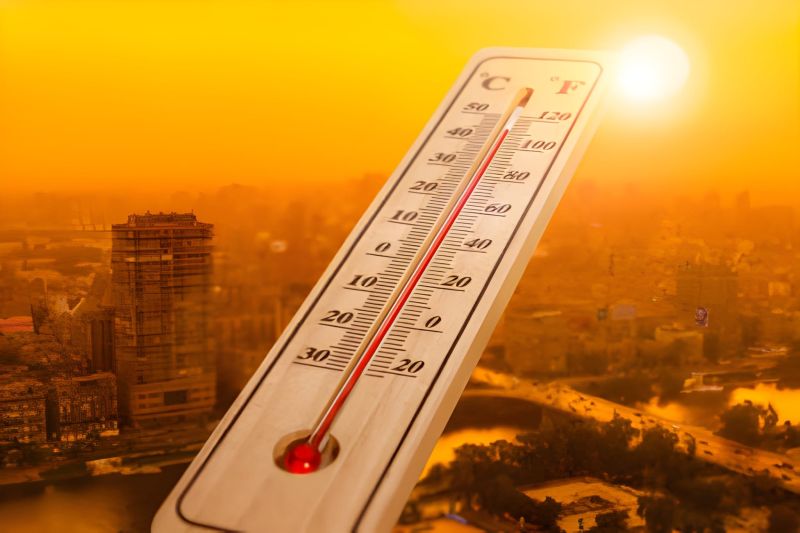
Egypt’s weather is as much part of its identity as its monuments. The sun dominates daily life, shaping architecture, agriculture, and even cuisine. Winter months (November through March) offer mild days and cool evenings, perfect for sightseeing and Egypt Nile Cruises. Summer (May through September), in contrast, blazes with intense heat, particularly in Upper Egypt cities like Luxor and Aswan, where temperatures can soar above 40°C (104°F). Coastal regions such as Alexandria City enjoy gentler breezes and slightly lower temperatures, making them ideal summer refuges for locals and tourists alike.
But Egypt’s climate isn’t just about heat. Winds from the desert, seasonal humidity near the coast, and the life-giving presence of the Nile create diverse microclimates across the nation. Whether you’re preparing for desert safaris, Red Sea dives, or cultural walking tours in Cairo City, knowing how the climate behaves can turn a good vacation into an extraordinary one.
Egypt’s Desert Climate: The Dominant Weather Pattern
Egypt’s climate is overwhelmingly arid, characterized by vast deserts that receive little rainfall—often less than 25 millimeters annually. This dryness defines the country’s environment, influencing everything from vegetation to daily life. The Sahara and Eastern Desert stretch endlessly, absorbing sunlight and radiating heat. During the day, temperatures can climb dramatically, while nights turn surprisingly cool due to rapid heat loss. This temperature swing is part of Egypt’s charm and challenge, particularly for those venturing into the wilderness on exciting Egypt Desert Tours.
The desert climate also explains Egypt’s clear skies—averaging over 3,500 hours of sunshine annually. This abundance of sunlight contributes to Egypt’s golden aesthetic and its agricultural dependence on the Nile’s irrigation rather than rainfall. The consistency of Egypt’s desert weather makes it one of the most predictable climates in the world—a blessing for travelers and tour operators alike.
Regional Variations: North to South, East to West
Despite its dominant desert climate, Egypt’s geography produces notable differences across regions. Northern Egypt, influenced by the Mediterranean, enjoys milder temperatures and higher humidity. In contrast, southern Egypt—particularly Luxor and Aswan City—experiences extreme heat during summer. The Red Sea coast, including Hurghada and Sharm El Sheikh, benefits from cooler sea breezes, creating ideal conditions for beach vacations and diving excursions. Inland oases such as the White Desert of Egypt and Siwa Oasis display unique microclimates where temperatures may fluctuate sharply between day and night.
The Mediterranean Coastline: Cooler Breezes and Moderate Summers
Egypt’s northern coastline along the Mediterranean Sea offers respite from the country’s intense heat. Cities like Alexandria and Marsa Matruh enjoy comfortable summers with average highs around 30°C (86°F) and cooler winters around 15°C (59°F). This temperate climate makes the region a favorite summer escape for Egyptians and European visitors alike. The sea breeze reduces humidity and enhances comfort, while occasional winter rain showers refresh the arid landscape.
Upper Egypt: Scorching Summers and Mild Winters
Upper Egypt, stretching from Luxor to Aswan, experiences the country’s hottest climate. Summer temperatures regularly exceed 40°C (104°F), though the dry air makes the heat more tolerable than in humid areas. Winters, on the other hand, are pleasantly mild, hovering between 20°C and 25°C (68°F to 77°F). This seasonal balance makes winter the preferred time for exploring ancient temples, including Temple of Hatshepsut and The Valley of the Kings.
The Eastern Desert and Red Sea Coast: A Diver’s Paradise with Gentle Winds
Along the Red Sea, places like Hurghada, Dahab, and Sharm El Sheikh boast warm, sunny weather year-round. Water temperatures hover around 24°C (75°F), making it a diver’s dream destination. The steady winds here also attract kite surfers and sailors. While summer can be hot, the coastal breeze and low humidity maintain comfort. Winter months bring cooler nights but remain ideal for outdoor activities and Egypt Vacations Packages tailored for adventure lovers.
Seasonal Breakdown: Month-by-Month Climate in Egypt
Understanding Egypt’s weather seasonality ensures travelers pick the right time for their journey. Here’s what each period offers:
Winter (November to March): The Golden Touring Season
Winter is the most popular travel season in Egypt. Daytime temperatures average between 20°C and 25°C (68°F–77°F), while nights can drop to 10°C (50°F). Cairo, Luxor, and Aswan offer ideal conditions for sightseeing without the exhausting heat. Desert nights, however, can become chilly, so packing a light jacket is wise. Winter also suits cultural travelers planning to visit sites like the Egyptian Museum of Cairo or strolling through El Moez Street.
Spring (March to May): Blooming Landscapes and the Khamaseen Winds
Spring ushers in warmer weather and blooming desert flora. Temperatures rise gradually, averaging 25°C to 30°C (77°F–86°F). However, spring also brings the Khamaseen winds—a dry, dusty phenomenon blowing from the Sahara. Though short-lived, these winds can reduce visibility and raise temperatures temporarily. Despite this, spring remains a lovely time for Egypt Easter Tours and desert expeditions.
Summer (May to September): Intense Heat and Tranquil Nights
Egyptian summers are famous for their intensity. In southern regions, temperatures can exceed 42°C (108°F), while in northern areas they remain around 32°C (90°F). Despite the heat, summer has its charm—fewer crowds, lower prices, and stunning desert sunsets. Coastal resorts thrive during this period, especially around the Red Sea, where swimming and diving conditions remain excellent.
Autumn (September to November): Mild Transition and Vibrant Colors
Autumn marks the transition from heat to coolness. Temperatures moderate to a pleasant 25°C–30°C (77°F–86°F), and skies remain clear. This season is perfect for cultural tours, photography, and Egypt Luxury Tours combining history and relaxation. The countryside glows in warm hues, and the Nile reflects magical sunsets, making it a photographer’s dream.
Extreme Weather Events and Climate Challenges
Egypt rarely faces drastic weather disruptions, but occasional sandstorms, called “khamsin,” sweep across the land in spring. These storms can obscure the horizon in dust and temporarily spike temperatures. Rainfall remains minimal, except along the Mediterranean coast, where mild winter showers nourish limited vegetation. Climate change poses emerging challenges, including rising sea levels threatening delta regions and shifting weather patterns affecting agriculture. Despite these challenges, Egypt’s overall climate remains remarkably stable compared to global averages.
How Climate Shapes Egyptian Lifestyle and Tourism
Egypt’s climate profoundly influences local customs, architecture, and tourism. Traditional houses in Upper Egypt feature thick walls and small windows to combat heat, while open courtyards provide natural ventilation. Farmers rely on the Nile’s irrigation schedule rather than rain cycles, reflecting the delicate harmony between climate and livelihood. Tourists, too, adapt by planning early morning temple visits and late evening strolls through bustling bazaars.
The weather also sets the stage for different travel experiences—from serene winter explorations of temples to thrilling summer dives in the Red Sea. Many Egypt Travel Packages are designed around these climatic rhythms, offering flexibility and comfort regardless of the season.
Frequently Asked Questions About the Climate in Egypt
1. What is the best time of year to visit Egypt?
The best time to visit Egypt is between November and March. The weather is pleasantly mild, ideal for sightseeing and cruising along the Nile. Coastal destinations remain comfortable, while desert areas are enjoyable without extreme heat.
2. Does Egypt experience rainfall?
Rainfall in Egypt is minimal, primarily concentrated along the Mediterranean coast. Cities like Alexandria receive modest showers during winter, while most of the country remains dry year-round. The arid climate defines Egypt’s desert landscapes and ancient architecture.
3. How hot does it get in the Egyptian desert?
During summer, desert temperatures can exceed 45°C (113°F) during the day but drop significantly at night. Travelers should stay hydrated, wear breathable clothing, and plan excursions early in the morning or late in the afternoon for comfort and safety.
4. What should I pack for Egypt’s climate?
Light cotton clothing, sunscreen, sunglasses, and a hat are essential for daytime exploration. For winter evenings, especially in the desert, a light jacket or sweater is recommended. Comfortable walking shoes and a reusable water bottle are must-haves year-round.
5. Does the climate affect outdoor attractions in Egypt?
Yes. The climate determines the best times to visit outdoor attractions. Sites like the Sphinx Statue and Sakkara Necropolis are most enjoyable in cooler months, while Red Sea resorts thrive in summer. Understanding Egypt’s seasonal weather ensures an unforgettable and comfortable travel experience.