

Cairo City
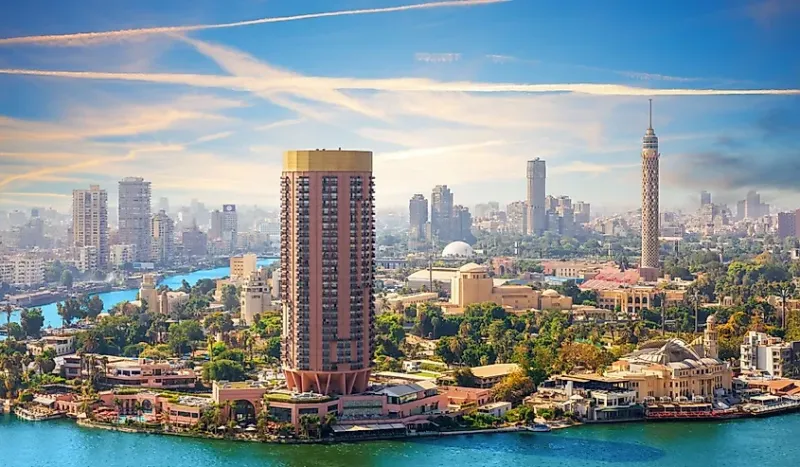
Cairo City – The Timeless Heartbeat of Egypt
Cairo city, the sprawling capital of Egypt, is a mesmerizing fusion of ancient grandeur and modern vibrancy. Perched on the banks of The Nile River, this dynamic metropolis pulsates with energy day and night. Known as ‘Al Qahirah’, meaning ‘The Victorious’, Cairo offers a sensory overload of historical treasures, lively bazaars, aromatic street food, and an atmosphere that has enchanted travelers for centuries. From the echoing calls to prayer that roll across its skyline to the bustling streets lined with colorful markets, every corner of Cairo tells a story. The city stands as Egypt’s beating heart — both geographically and spiritually — uniting its glorious past with an ever-evolving present.
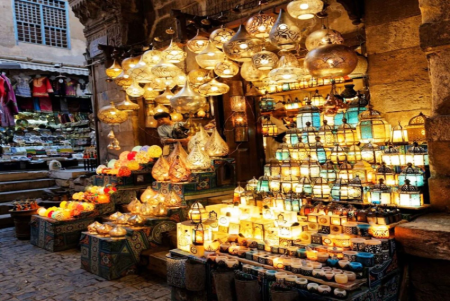
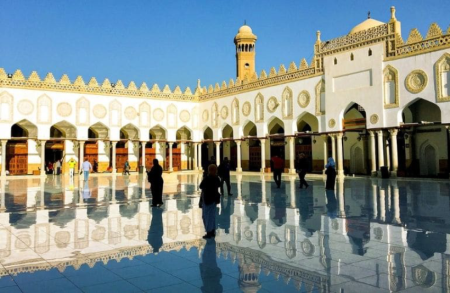
Visitors are instantly drawn to Cairo’s blend of contrasts. Here, the ancient and the modern coexist seamlessly: luxury hotels rise beside medieval mosques, contemporary art galleries neighbor thousand-year-old monuments, and the hum of modern life weaves through the city’s historical layers. Whether you’re wandering through Khan al-Khalili Cairo bazaar, gazing up at the colossal minarets of Al Azhar Mosque, or sipping mint tea in a centuries-old café, Cairo promises unforgettable moments.
In this ultimate guide, we’ll explore the wonders of Cairo through its landmarks, neighborhoods, museums, and cultural experiences. Whether you’re planning short Cairo Day Tours or comprehensive Egypt Travel Packages, understanding Cairo’s essence is key to unlocking Egypt’s timeless charm. Let’s dive into the city that never sleeps — a place where pharaohs’ memories meet modern ambition and where every sunrise reflects the dawn of civilization itself.
Historical Significance and Ancient Heritage of Cairo
Cairo’s roots stretch back over a millennium, yet its spirit carries the legacy of even older civilizations. Founded in 969 AD by the Fatimid dynasty, the city became a political, cultural, and intellectual hub of the Islamic world. However, Cairo’s proximity to the ancient city of Memphis and the legendary The Great Pyramids of Giza ties it directly to the earliest chapters of Egyptian history. The capital’s landscape remains a living museum where pharaonic, Islamic, and modern influences merge harmoniously. Every stone, dome, and alley whispers tales of sultans, scholars, and saints.
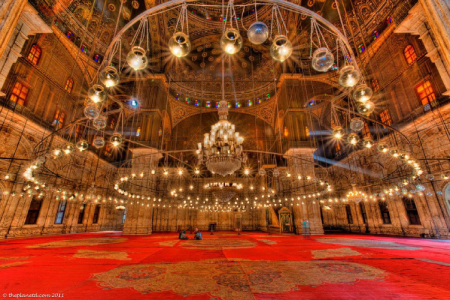
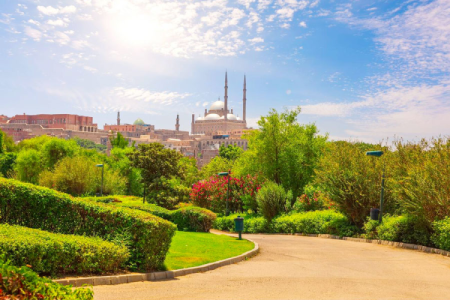
The medieval Citadel built by Salah El-Din, known as the Citadel of Salah El-Din, still commands sweeping views across the city, while the elegant Alabaster Mosque gleams under the Egyptian sun. These structures remind travelers of Cairo’s prominence throughout centuries of dynasties and empires. As one of the largest cities in Africa and the Middle East, Cairo continues to preserve its historic legacy while embracing innovation and progress.
The Egyptian Museum and Cairo’s Treasured Antiquities
Among Cairo’s crown jewels is The Egyptian Museum of Cairo, home to the most extraordinary collection of Pharaonic artifacts in the world. Housing the iconic treasures of Tutankhamun, colossal statues of ancient kings, delicate jewelry, and centuries-old papyri, this museum offers an unparalleled journey through Egypt’s storied past. Visitors can immerse themselves in the magnificence of ancient craftsmanship while gaining insight into the beliefs and daily lives of the Egyptians who built empires along the Nile. It’s a must-visit destination for anyone passionate about archaeology, culture, and world heritage.
Coptic Cairo and the Spiritual Soul of the City
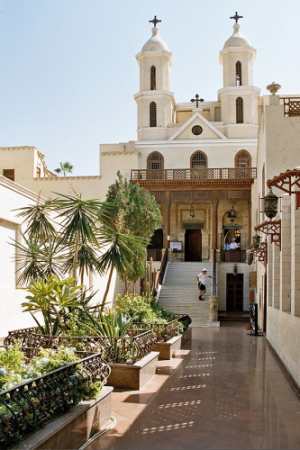
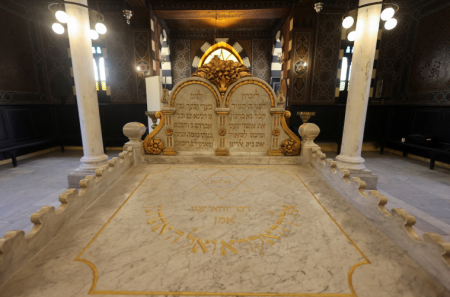
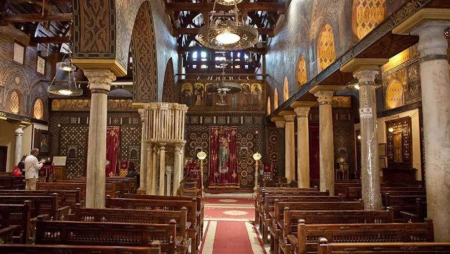
Coptic Cairo (Old Cairo) holds deep religious and historical significance. This sacred district, brimming with ancient churches and monasteries, traces the roots of Christianity in Egypt. The famous Hanging Church (El Muallaqa) and the serene Abu Serga Church are architectural marvels that transport visitors to the era of early Christian devotion. Nearby stands the Ben Ezra Synagogue, a testament to Cairo’s multicultural fabric. Walking through these cobblestone alleys feels like stepping into a sacred chronicle where faith, resilience, and history intertwine.
Islamic Cairo: A Living Open-Air Museum
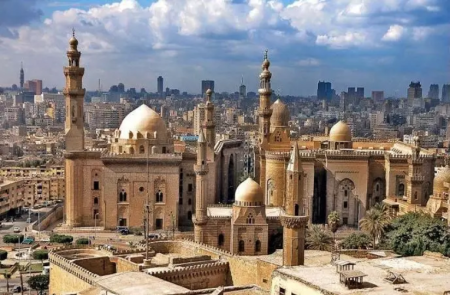
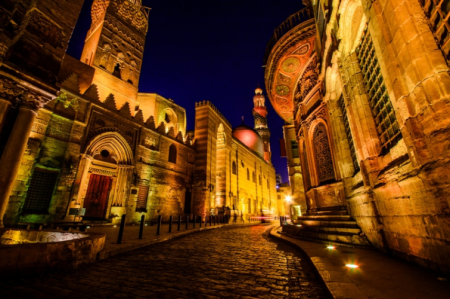
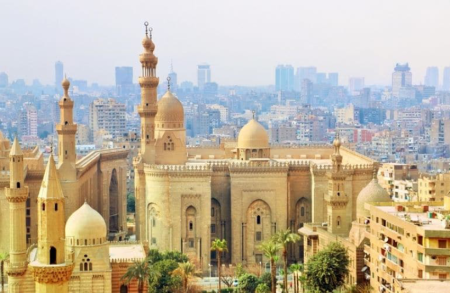
Declared a UNESCO World Heritage Site, Islamic Cairo is a labyrinth of mosques, madrasas, and ancient gates that reflect centuries of Islamic artistry. The architectural brilliance of the Sultan Hassan Mosque and the regal Al Rifai Mosque exemplify the golden age of Cairo’s religious and cultural evolution. Wandering through El Moez Street, you’ll encounter medieval fountains, ornate minarets, and bustling souks that seem suspended in time. Every turn reveals a new layer of Cairo’s Islamic heritage, offering travelers both awe and inspiration.
Modern Cairo: The Pulse of a Thriving Metropolis
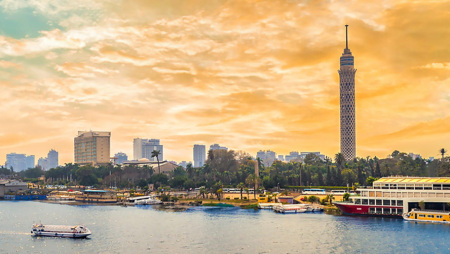
Despite its deep historical roots, Cairo is no fossilized relic — it’s a city in constant motion. Modern Cairo boasts thriving business districts, high-end shopping malls, and cutting-edge cultural centers. Landmarks like Cairo Tower symbolize the city’s modern aspirations and offer panoramic views stretching from the Nile to the desert. Restaurants, art galleries, and music venues reflect a new generation shaping Cairo’s identity while honoring its heritage. This blend of old-world charm and modern dynamism makes Cairo irresistible for travelers craving authenticity amid progress.
The Nile River – The Lifeline of Cairo
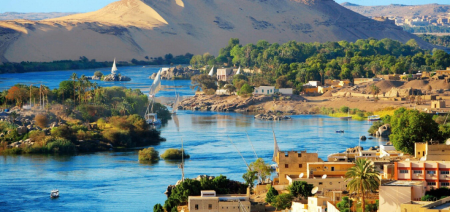
The majestic Nile River, flowing gracefully through Cairo, has nourished life for millennia. At sunset, feluccas glide across its rippling waters, painting a picture of timeless beauty. The Nile’s banks are lined with luxury hotels, lively promenades, and elegant bridges connecting the city’s east and west. Many travelers choose to explore its charm through Egypt Nile Cruises, where the serenity of the river contrasts beautifully with Cairo’s urban energy. The Nile remains Cairo’s soul — a constant reminder of Egypt’s eternal connection to its river of life.
Exploring Cairo’s Neighborhoods and Local Life
Cairo’s neighborhoods each offer a distinct flavor. Zamalek, an island on the Nile, is known for its leafy streets, art galleries, and cosmopolitan ambience. Downtown Cairo dazzles with Belle Époque architecture, vintage cafés, and creative hubs that blend European elegance with Egyptian warmth. In contrast, Islamic Cairo immerses visitors in centuries-old traditions, while Heliopolis and Maadi cater to modern luxury seekers. Exploring these districts reveals Cairo’s diversity — from the quiet charm of historic courtyards to the neon-lit energy of nightlife along the Corniche.
Cairo’s Cultural Scene and Museums
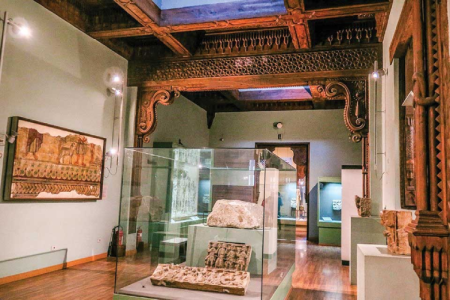
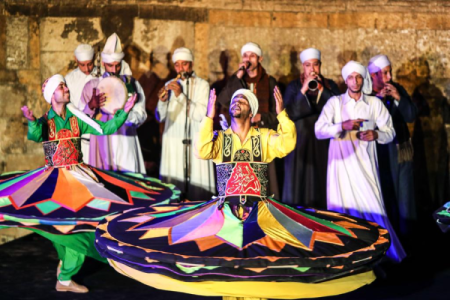
Beyond its monuments, Cairo’s cultural heartbeat thrives through its museums, theaters, and festivals. The National Museum of Egyptian Civilization showcases Egypt’s journey from prehistoric times to the present, while the Coptic Museum preserves priceless relics of Christian heritage. Cairo Opera House and cultural venues like Wekalet El Ghouri offer performances that celebrate Egypt’s music, dance, and folklore. This thriving cultural ecosystem ensures that the city’s artistic spirit remains as vibrant as its historical legacy.
Markets, Cuisine, and Cairo’s Irresistible Flavors
No visit to Cairo is complete without savoring its culinary delights. From aromatic street food to elegant dining, the city’s gastronomy reflects its multicultural roots. Stroll through Khan al-Khalili to sample koshari, falafel, and sweet basbousa, or enjoy dinner aboard a Nile cruise under the stars. Cairo’s cuisine unites flavors of the Mediterranean, Middle East, and Africa, creating a feast for both the palate and the soul. For those seeking authentic experiences, local Egypt Excursions introduce travelers to hidden eateries, spice markets, and traditional tea houses where Cairo’s timeless hospitality shines.
Top Attractions and Hidden Gems of Cairo
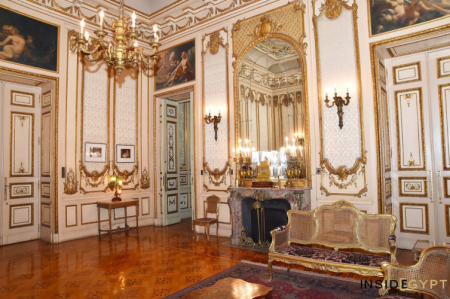
Cairo brims with attractions for every traveler. Beyond the iconic Pyramids of Giza, landmarks like Abdeen Palace and Al Azhar Park enchant visitors with architectural splendor and panoramic views. The city’s vibrant souks, like Khan al-Khalili, brim with handcrafted souvenirs, perfumes, and jewelry. Those seeking serenity will find respite in the lush gardens of Al Azhar Park, where the skyline merges ancient minarets with modern skyscrapers. Each attraction reveals a new perspective of Cairo’s multifaceted personality — from regal grandeur to everyday charm.
Adventure Beyond Cairo
For travelers eager to venture beyond the capital, Egypt offers endless wonders. Desert safaris, such as Egypt Desert Tours, provide thrilling escapes into golden dunes and star-studded horizons. Others opt for Egypt Vacations Packages that combine Cairo with Luxor, Aswan, and Alexandria for a complete Egyptian experience. Whether cruising the Nile, exploring temples, or wandering through ancient oases, Cairo serves as the gateway to the treasures that define Egypt’s allure.
FAQs About Cairo City
What’s the best time to visit Cairo?
The ideal time to visit Cairo is between October and April, when the weather is mild and pleasant. During these months, sightseeing is more comfortable, and the city’s outdoor attractions, including the Pyramids and Nile cruises, are most enjoyable. Summer months can be hot, but early mornings and evenings still offer magical experiences.
Is Cairo safe for tourists?
Yes, Cairo is generally safe for tourists, with visible security presence around
Planning your Egypt trip? See our Cairo Nile Dinner Cruise.


.png)



Our Partners
Our Awesome Partners