

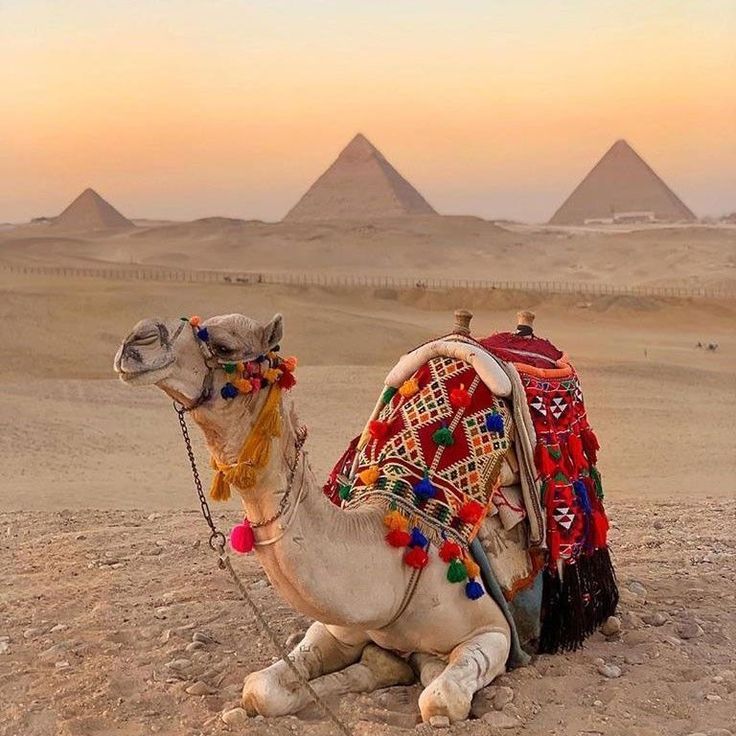
Unveiling the Truth Behind Egypt Travel Myths: What Every Traveler Should Know
For centuries, Egypt has fascinated travelers with its colossal monuments, endless deserts, and the mighty Nile River. Yet, despite its magnetic allure, countless Egypt travel myths continue to swirl around this iconic destination. Misconceptions about safety, culture, and even the weather often deter travelers from experiencing its timeless charm. In reality, Egypt is one of the most rewarding countries to explore—a vibrant fusion of ancient wonder and modern energy that ticks every box for history enthusiasts, adventure seekers, and luxury travelers alike.
Many visitors imagine Egypt as a dusty, chaotic land guarded by sphinxes and shrouded in mystery. But step foot in Cairo city, and you'll quickly realize that Egypt is a dynamic, culturally rich nation where tradition meets innovation. Modern infrastructure, welcoming locals, and a flourishing tourism sector have transformed it into one of the safest and most accessible destinations in the Middle East and North Africa.
In this article, we’ll bust the most common myths about traveling to Egypt—spanning safety fears, dress code dilemmas, misconceptions about food, and misunderstandings about local customs. By separating fact from fiction, you’ll gain the confidence to plan your own unforgettable Egyptian journey, whether that’s sailing down the Nile River, exploring the Great Pyramids of Giza, or diving into the Red Sea. Let’s uncover what’s real and what’s not when it comes to Egypt travel myths.
Myth 1: Egypt Is Unsafe for Tourists
One of the most pervasive Egypt travel myths revolves around safety. Many first-time visitors assume that the country is unstable or unsafe due to its location and historical political events. However, this couldn’t be farther from the truth. Tourism is one of Egypt’s top economic pillars, and the government invests heavily to ensure travelers can explore safely. Tourist police are visible in major sites, and security checks are standard at hotels, airports, and museums.
From Luxor Temple and The Valley of the Kings to the bustling bazaars of Khan al-Khalili Cairo, millions of visitors each year roam freely without incident. Solo travelers, especially women, report feeling safe as long as they follow standard precautions—just as they would in any major city worldwide. The myth that Egypt is dangerous stems from outdated narratives, not the present-day reality of a country thriving on hospitality and respect for guests.
Why This Myth Persists
Media sensationalism often amplifies isolated events, creating a distorted image of Egypt. Yet, those who visit will tell you that Egyptians are among the most courteous and welcoming people anywhere. The warmth of the nation’s hospitality is legendary, and cultural emphasis on caring for visitors remains strong. As you stroll through markets or chat with locals on the street, you’ll feel the genuine friendliness that dissolves any lingering fears.
Myth 2: Egypt Is Only About Pyramids and Ancient Ruins
Yes, Egypt is home to the mesmerizing pyramids, sphinxes, and temples that have captivated humanity for millennia—but that’s merely the tip of the iceberg. Another Egypt travel myth claims that once you’ve seen the pyramids, you’ve “done Egypt.” The truth? This country offers an astonishing variety of landscapes and experiences beyond its ancient marvels.
Venture south to Aswan City for serene Nile views, or explore the majestic Abu Simbel temples. Head west to the otherworldly dunes of the White Desert of Egypt, where chalk formations shimmer under moonlight. For a change of pace, dive in the crystal waters near Ras Mohammed National Park and swim among coral gardens that rival the Caribbean.
Beyond the Ancient World
Modern Egypt embraces art, gastronomy, and innovation. Trendy cafes, rooftop lounges, and chic boutiques define contemporary Cairo and Alexandria. The coastal cities offer cosmopolitan vibes with stunning sea views, while desert oases provide a tranquil escape for those seeking solitude. Whether you crave luxury at a five-star resort or adventure on a desert safari, Egypt caters to every travel style.
Myth 3: The Weather Is Always Scorching Hot
Another widespread myth is that Egypt’s climate is unbearably hot throughout the year. While summers can be warm, the temperature varies significantly depending on region and season. Winters from November to February are mild and comfortable, perfect for sightseeing. Coastal cities like Alexandria enjoy Mediterranean breezes, while desert areas experience cool evenings that surprise many visitors.
The key is to plan according to your comfort level. Spring and autumn bring ideal temperatures for exploring temples, sailing the Nile, or embarking on Egypt Desert Tours. Even the Sahara’s heat can be managed with proper hydration and scheduling early morning excursions. So, no—Egypt isn’t always scorching; it’s beautifully diverse in weather and atmosphere.
Myth 4: Egyptian Food Isn’t for Everyone
Some travelers mistakenly believe Egyptian cuisine is too exotic or spicy. In fact, Egyptian food is flavorful, wholesome, and varied. Dishes like koshari, ful medames, and molokhia blend Mediterranean and Middle Eastern influences, offering something for every palate. Vegetarians and vegans find abundant choices thanks to Egypt’s reliance on legumes, grains, and fresh vegetables.
Street food culture is thriving, and hygiene standards have improved dramatically. Try fresh falafel or sample local desserts like basbousa and om ali. Dining in Egypt is an adventure for the senses, combining hospitality with culinary artistry. This myth dissolves quickly once you sit down to your first Egyptian breakfast—strong coffee, warm bread, and vibrant flavors that linger long after the trip ends.
Myth 5: You Must Dress Conservatively at All Times
While Egypt is a predominantly Muslim country, the belief that tourists must dress rigidly conservative is exaggerated. Dress codes depend largely on location and context. In coastal resorts like Sharm El Sheikh or Hurghada, swimwear is common and accepted. In cities and religious sites, modest clothing is simply a sign of cultural respect—covering shoulders and knees suffices.
Egyptians are accustomed to global visitors, and you’ll find a balance between tradition and tolerance. Light, breathable clothing is ideal for the climate, while scarves or shawls can come in handy when visiting mosques or rural villages. Understanding and embracing these customs enhance your travel experience rather than restrict it.
Myth 6: Nile Cruises Are Outdated
Contrary to belief, Nile cruises remain one of the most captivating ways to experience Egypt. Modern vessels blend comfort, luxury, and culture, gliding between Aswan and Luxor while showcasing temples, villages, and golden sunsets. Companies offering Egypt Nile Cruises provide contemporary amenities, fine dining, and entertainment rivaling top-tier hotels.
Imagine sipping mint tea on deck as ancient landscapes drift by—a timeless journey connecting past and present. Nile cruises aren’t relics; they’re rejuvenated experiences offering unmatched insight into Egypt’s beating heart.
Myth 7: Egypt Isn’t Suitable for Luxury Travelers
This myth couldn’t be more inaccurate. Egypt’s luxury tourism sector has flourished, with opulent hotels, private guides, and exclusive experiences designed for discerning travelers. From private tours through Egypt Luxury Tours to fine dining along the Nile, you can indulge in world-class service surrounded by history. Whether staying at a five-star resort overlooking the pyramids or taking a private yacht trip on Lake Nasser, Egypt is as glamorous as it is ancient.
Myth 8: Traveling Egypt Is Complicated
Some assume Egypt’s logistics are challenging, but travel has never been easier. Tour operators, improved infrastructure, and high-quality transport networks simplify every step. Opting for curated Egypt Travel Packages can streamline itineraries, ensuring smooth transitions between destinations like Luxor, Aswan, and Cairo. With English widely spoken in tourist areas and digital tools simplifying bookings, exploring Egypt is straightforward, even for first-timers.
Frequently Asked Questions About Egypt Travel Myths
Is Egypt safe for solo travelers?
Yes, Egypt is safe for solo travelers, including women. Cities like Cairo, Luxor, and Aswan are tourist-friendly, and safety measures are in place at all main attractions. As in any country, staying aware of your surroundings and respecting local customs ensures a smooth journey.
Do you need a guide to visit Egypt?
While independent travel is possible, hiring a licensed guide enhances your experience. Expert guides provide historical context, cultural insights, and language support. Many Egypt Excursions include professional guides who make ancient sites come alive.
Is Egypt too hot to visit in summer?
Summer can be warm, but manageable. If you plan wisely—exploring early mornings or evenings—you’ll still enjoy your trip. Air-conditioned transport and accommodations make comfort easy, while Nile breezes offer natural relief.
Are Egyptian people friendly toward tourists?
Absolutely. Egyptians are known for their hospitality and curiosity. Visitors often receive friendly greetings, offers of tea, and genuine interest from locals eager to share their culture.
Is it expensive to travel in Egypt?
Egypt offers great value for money. From budget to luxury, prices are competitive compared to global destinations. Choosing comprehensive Egypt Vacations Packages ensures the best deals for accommodation, sightseeing, and transportation.
Conclusion: Embrace the Real Egypt
Egypt travel myths often obscure the truth about a land that’s both ancient and forward-looking. Safe, welcoming, and endlessly diverse, Egypt invites travelers to witness its wonders without fear or hesitation. Whether you’re exploring the temples of Karnak Temple, sailing on the Nile, or wandering through timeless bazaars, you’ll discover a nation that thrives on storytelling, culture, and connection. Don’t let outdated myths hold you back—Egypt’s magic is waiting, and it’s more real, vibrant, and unforgettable than ever before.