

Khan Al-Khalili Cairo
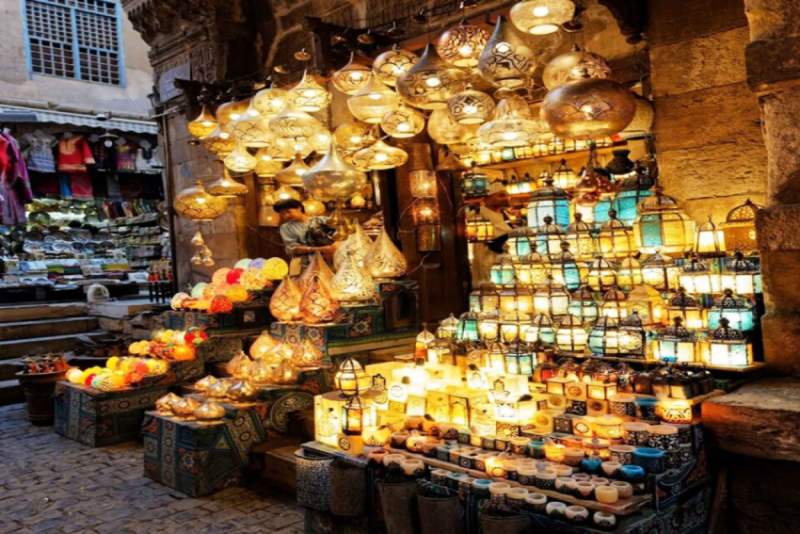
Khan Al-Khalili Cairo – The Heartbeat of Egypt’s Timeless Bazaar
In the midst of the bustling Cairo city, where ancient and modern blend seamlessly, lies Khan Al-Khalili — a living museum of Egypt’s vibrant culture, history, and craftsmanship. This centuries-old marketplace is not just a destination; it’s an experience that captures the essence of Cairo’s soul. Every alley whispers tales of traders, artisans, and travelers who have come and gone, leaving behind the scent of spices, shimmering gold, and echoes of Arabian melodies. Whether you’re an adventurer searching for authentic souvenirs, a culture lover yearning for immersion, or a storyteller chasing inspiration, Khan Al-Khalili Cairo is your gateway into Egypt’s living history.
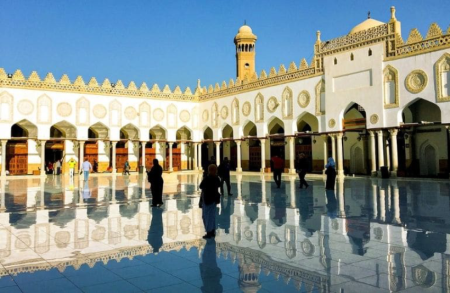
Established in the 14th century during the Mamluk era, this bazaar has evolved into one of the most famous souks in the Middle East. Its labyrinthine streets are filled with merchants showcasing exquisite jewelry, handwoven textiles, brass lamps, perfumes, and traditional crafts. The marketplace reflects Egypt’s enduring artistry — a perfect blend of tradition and commerce, where every turn unravels a new story. For travelers exploring nearby landmarks such as Al Azhar Mosque or El Moez Street, a visit to Khan Al-Khalili is an absolute must. The bazaar’s rhythm never fades — it beats with the pulse of Egyptian life, past and present.
The Rich History of Khan Al-Khalili Cairo
Khan Al-Khalili’s story begins in the late 14th century when Emir Djaharks el-Khalili built a caravanserai, a resting place for merchants and their goods. The location was strategic, right in the heart of Fatimid Cairo — then a thriving hub of trade routes connecting the Mediterranean to sub-Saharan Africa and the Far East. Over centuries, the market expanded and adapted, surviving Ottoman rule, colonial influences, and modern transformations, yet retaining its medieval charm. Its architecture still carries Mamluk-style arches, intricate wooden mashrabiya windows, and timeworn stone facades that tell stories of a bygone era.
Today, Khan Al-Khalili Cairo remains a living testament to Egypt’s mercantile legacy. Traders still barter passionately, echoing the traditions of their ancestors. The call to prayer from nearby mosques mingles with the chatter of shopkeepers, creating an ambiance that’s nothing short of magical. Nearby attractions like the Egyptian Museum of Cairo offer glimpses into the same historical continuum that defines this market — a seamless thread of Egyptian civilization stretching through millennia.
Architecture and Design – A Walk Through Time
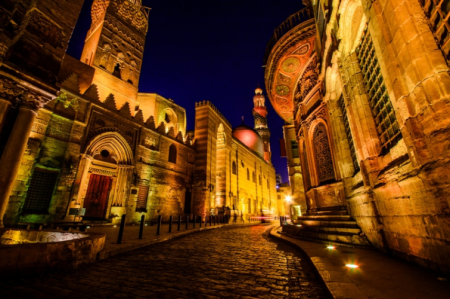
The architecture of Khan Al-Khalili is a masterpiece in itself. Narrow winding alleys are flanked by domed shops and high-arched gates that date back to the Mamluk and Ottoman eras. The market’s design served both form and function — protecting goods from the scorching Cairo sun while maintaining airflow for comfort. Its stone-paved lanes have witnessed the footsteps of sultans, scholars, and foreign envoys. Cafés with carved wooden panels and copper lanterns illuminate the paths, creating a visual spectacle that transports visitors to another century.
One can’t help but marvel at the craftsmanship displayed in every corner. From the colorful glassware glistening under oil lamps to the hand-hammered metal trays adorned with geometric patterns, artistry flows through Khan Al-Khalili’s veins. It’s not merely a marketplace; it’s an open-air gallery celebrating Egypt’s artistic heritage.
Shopping in Khan Al-Khalili Cairo – A Treasure Hunter’s Paradise
Shopping in Khan Al-Khalili isn’t just about buying — it’s about the thrill of discovery. Every turn presents new temptations: shimmering silver jewelry, elegant papyrus paintings, ornate hookahs, and handcrafted leather goods. The air is heavy with the scent of sandalwood and myrrh, while vibrant fabrics spill from every storefront in a kaleidoscope of color. Bargaining is an art form here, and travelers are encouraged to engage in friendly haggling — it’s part of the experience!
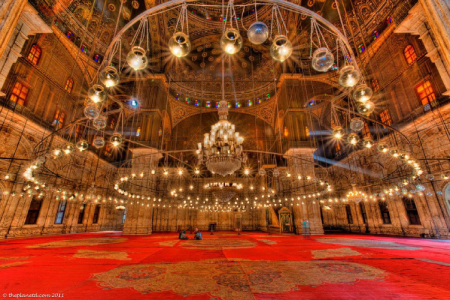
Many visitors combine a shopping adventure in Khan Al-Khalili with Cairo Day Tours, ensuring they get a taste of other nearby historical gems like the Citadel of Salah El-Din and the Alabaster Mosque. For many, the market becomes the highlight of their journey — a tangible connection to Egypt’s artistic traditions and cultural tapestry.
What to Buy in Khan Al-Khalili Cairo
The bazaar offers an endless variety of authentic Egyptian crafts. Top souvenirs include hand-painted ceramics, gold and silver jewelry, alabaster figurines, and aromatic oils. For history enthusiasts, exquisite replicas of ancient artifacts — such as the King Tutankhamun’s mask — can be found in artisan stalls. Textiles, scarves, and traditional galabeyas (robes) are popular purchases, as are brass lanterns and mosaic inlay boxes. Whether you’re after luxury or simplicity, there’s something for every traveler.
Experiencing Egyptian Culture at Khan Al-Khalili
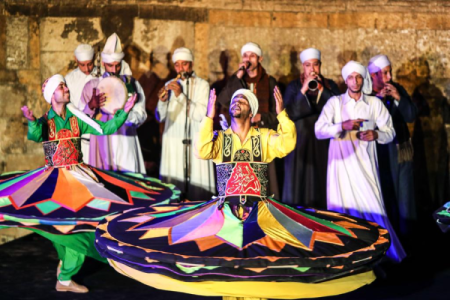
Beyond commerce, Khan Al-Khalili is a cultural landmark. Visitors can soak in authentic Egyptian hospitality while sipping mint tea at the historic El Fishawy Café, a gathering place for poets and philosophers for over two centuries. The café’s walls echo with laughter, music, and the scent of strong coffee. Traditional performances like Sufi dancing can often be found nearby, especially in cultural centers such as Wekalet El Ghouri, adding rhythm to the old quarter’s heartbeat.
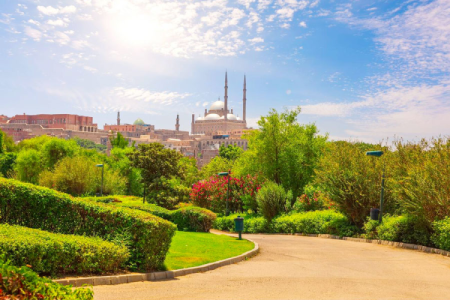
Just a few minutes away lies Al Azhar Park, offering panoramic views of Islamic Cairo. The park’s greenery contrasts beautifully with the golden hues of surrounding mosques and minarets, making it an ideal place to reflect after a day of bustling exploration.
The Soul of Islamic Cairo
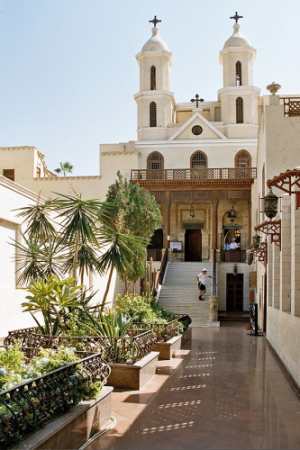
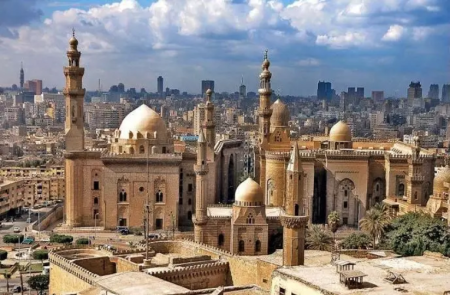
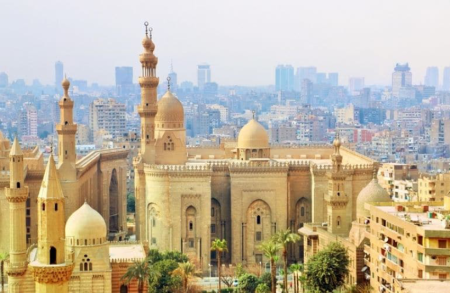
Khan Al-Khalili forms part of the larger district known as Islamic Cairo, a UNESCO-recognized area filled with ancient mosques, madrasas, and mausoleums. The atmosphere is deeply spiritual, where faith and daily life intertwine harmoniously. Wandering through this quarter feels like stepping into the pages of history, where every dome and alley tells a sacred story.
Street Food and Culinary Delights
Food is another highlight of Khan Al-Khalili Cairo. Visitors are treated to traditional Egyptian snacks like falafel, koshary, and freshly baked bread. Sweet shops abound, offering delicacies such as basbousa, baklava, and the famous Om Ali. The lively aroma of grilled meats and roasted nuts fills the air, tempting every passerby. For food lovers exploring Egypt travel packages, Khan Al-Khalili is a must-visit culinary destination.
Best Time to Visit Khan Al-Khalili Cairo
The market is open year-round, but the best time to visit is during the cooler months between October and April. Early mornings and late afternoons are ideal for a relaxed stroll, while evenings bring the bazaar to life with glowing lanterns and animated street performances. Ramadan, in particular, adds a magical touch — the streets shimmer with lights, and food stalls overflow with festive treats. Planning your visit around a cultural event or festival ensures an unforgettable experience.
Tips for Visiting Khan Al-Khalili
To make the most of your trip, wear comfortable shoes and keep hydrated. Bargain respectfully, as negotiation is a cherished local tradition. Always carry small denominations of Egyptian pounds and be mindful of your belongings in crowded areas. Hiring a local guide through Why a Tour Guide in Egypt Is Essential can enhance your experience, providing insights into hidden gems and historical anecdotes you might otherwise miss.
Nearby Attractions
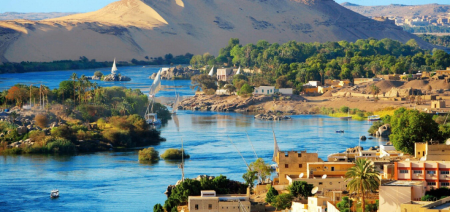
Beyond the market, Cairo brims with treasures. Explore the marvelous Great Pyramids of Giza and the enigmatic Sphinx Statue, or drift along The Nile River for a romantic evening. Every site complements the charm of Khan Al-Khalili, offering a holistic view of Egypt’s eternal beauty.
Frequently Asked Questions about Khan Al-Khalili Cairo
1. What is Khan Al-Khalili famous for?
Khan Al-Khalili is famous for being Cairo’s most iconic bazaar, renowned for its traditional crafts, jewelry, spices, and antiques. It’s also celebrated for its vibrant atmosphere and historical significance as one of the oldest marketplaces in the Arab world.
2. How old is Khan Al-Khalili Cairo?
Khan Al-Khalili dates back to the 14th century, founded during the Mamluk era around 1382 AD. Over six centuries later, it remains a bustling commercial and cultural hub in Cairo’s historic district.
3. Is Khan Al-Khalili safe to visit?
Absolutely. The market is safe and welcoming to tourists. Like any crowded destination, visitors are advised to stay alert and safeguard personal belongings. Local guides and security ensure a smooth and enjoyable visit.
4. What are the opening hours of Khan Al-Khalili?
Most shops open from 9 AM until late in the evening, though hours vary by vendor. The market is most lively after sunset when locals and tourists alike enjoy the bustling energy and illuminated streets.
5. Can I visit Khan Al-Khalili as part of a guided tour?
Yes, many tours include Khan Al-Khalili in their itineraries. Combining it with other attractions like the National Museum of Egyptian Civilization or Old Cairo landmarks makes for an enriching experience. Check curated Egypt Vacation Packages for the best combination of culture and convenience.
Khan Al-Khalili Cairo remains more than a market — it’s a journey through time, a dance of light and color, and a celebration of Egypt’s indomitable spirit. For travelers seeking authenticity, this marketplace stands as a living symbol of Cairo’s eternal allure.
Planning your Egypt trip? See our Shopping tour in Khan El Khalili Bazaar and Al Muizz Street.



.png)




Our Partners
Our Awesome Partners