
Egypt’s Most Beautiful Desert Trails: Where to Find Unforgettable Adventure
Egypt’s most beautiful desert trails are found in the White Desert, the Sinai Peninsula, the Great Sand Sea, the Eastern Desert, and the Gilf Kebir Plateau. Each region offers unique landscapes, ranging from surreal chalk formations to dramatic canyons and vast dunes, making Egypt an exceptional destination for luxury desert trekking and immersive nature experiences.
Key Takeaways
- The White Desert is renowned for its otherworldly chalk rock formations and is a top choice for guided desert hikes.
- The Sinai Peninsula’s Colored Canyon and Mount Sinai offer dramatic trekking routes with cultural and spiritual significance.
- The Great Sand Sea near Siwa Oasis features some of the world’s largest dunes, ideal for multi-day expeditions.
- Egypt has 7 UNESCO World Heritage sites, and several desert regions border these protected areas, adding historical depth to treks (per UNESCO).
- Photography with a mobile phone is free of charge at Ministry sites, allowing you to capture your desert journey without extra fees (per the Ministry's official ticketing service).
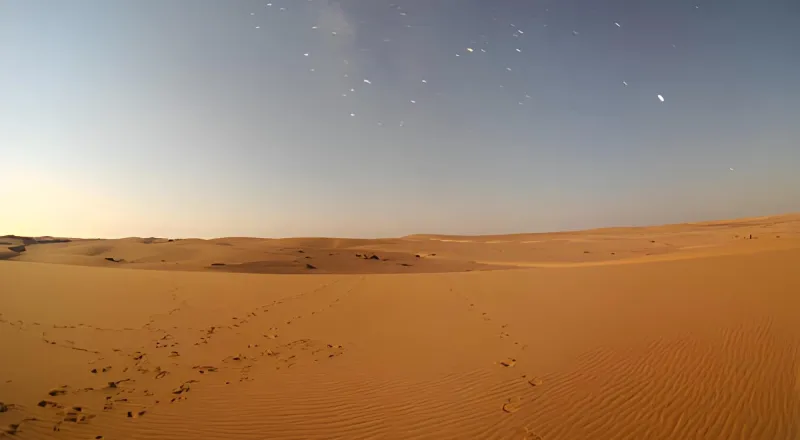
Egypt’s deserts are a tapestry of silence, color, and history, offering a luxury adventure far beyond the ordinary. From the wind-sculpted chalk sculptures of the White Desert to the mystical peaks of Sinai, each trail unveils a different facet of the country’s natural beauty and ancient heritage. Whether you seek a private trek with Bedouin guides, a stargazing camp under the Milky Way, or a journey through the world’s largest sand dunes, Egypt’s desert trails promise both serenity and exhilaration.
Travelers can choose between guided camel treks, luxury 4x4 safaris, or eco-friendly walking tours, all designed to immerse you in the landscapes that inspired pharaohs and explorers alike. Many routes are accessible from major cities, while others require careful planning and local expertise. For those interested in sustainable travel, Egypt’s desert regions are increasingly offering environmentally conscious options—discover more in our guide to eco-friendly ways to travel Egypt.
Before setting out, remember that official opening hours and access rules may change seasonally, especially during Ramadan, when sites and museums operate on reduced hours. Always check the latest information on the official ticketing portal and arrive at least one hour before closing time, as recommended by the Ministry's official ticketing service.
The White Desert National Park: Egypt’s Surreal Landscapes
The White Desert National Park, located west of Cairo, is famous for its chalk-white rock formations shaped by millennia of wind and sand. Hikers and photographers are drawn to the area’s iconic “mushroom” and “ice cream” rocks, which appear almost sculpted by human hands. Guided overnight camping trips allow visitors to experience the desert’s silence and the dazzling night sky, making it one of Egypt’s most beautiful and unique desert trails.
The White Desert is also a haven for wildlife enthusiasts. For a deeper dive into Egypt’s natural wonders, explore our feature on top wildlife experiences in Egypt.
Sinai Peninsula: Trekking Through History and Spirituality
The Sinai Peninsula offers some of Egypt’s most dramatic desert treks. The Colored Canyon, a labyrinth of narrow sandstone walls painted in shades of red, yellow, and purple, is a favorite for hikers and photographers. Mount Sinai, revered in religious tradition, is another must-visit destination, with sunrise climbs providing panoramic views of the surrounding peaks and valleys.
This region is also home to ancient monasteries and Bedouin communities, offering a cultural dimension to your adventure. If you’re planning to visit during a festival or religious holiday, see our guide to festivals & events in Egypt throughout the year for advice on timing your trip.
The Great Sand Sea and Siwa Oasis: Dunes as Far as the Eye Can See
Stretching between the Siwa Oasis and the Libyan border, the Great Sand Sea is one of the world’s largest dune fields. Here, travelers can embark on multi-day expeditions across rolling sand waves, experience traditional Siwan hospitality, and explore ancient ruins hidden among the dunes. The shifting sands and endless horizons create a sense of pure isolation and adventure, perfect for those seeking a true escape.
Siwa itself is a destination rich in history and culture, making it a perfect base for exploring Egypt’s western deserts. For tips on avoiding crowds and maximizing your experience, read our article on how to visit Egypt during peak season without crowds.
Comparing Egypt’s Top Desert Trails
| Trail/Region | Key Features | Best For | Accessibility |
|---|---|---|---|
| White Desert National Park | Chalk formations, unique camping, wildlife | Photography, stargazing, overnight trips | Accessible by 4x4 from Cairo |
| Sinai Peninsula (Colored Canyon, Mount Sinai) | Colorful canyons, historical sites, Bedouin culture | Hiking, cultural exploration, spiritual journeys | Access from Sharm El Sheikh, Dahab |
| Great Sand Sea & Siwa Oasis | Vast dunes, oasis culture, ancient ruins | Desert expeditions, sandboarding, remote escapes | Reachable via Siwa town |
| Eastern Desert | Mountain valleys, ancient Roman roads, mining history | Off-the-beaten-path trekking, archaeology | Guided tours from Luxor or Hurghada |
| Gilf Kebir Plateau | Prehistoric rock art, remote wilderness, WWII history | Expedition trekking, advanced adventure | Requires specialist guides, permits |
Each of these desert regions offers a distinct experience, from accessible day hikes to challenging multi-day expeditions. For travelers interested in eco-conscious adventures, consider our recommendations for eco-friendly ways to travel Egypt.
Essential Tips for Exploring Egypt’s Desert Trails
Egypt’s desert climate can be extreme, with temperatures soaring in summer and dropping sharply after dark. Preparation is key: always travel with a reputable guide, carry sufficient water, and inform someone of your route. The Ministry of Tourism and Antiquities recommends arriving at least one hour before a site’s closing time for a safe and unhurried visit.
Desert travel in Egypt is best enjoyed in the cooler months. If you are considering a summer adventure, see our expert advice on how to travel Egypt during the summer heat.
Ticket prices for monuments and protected areas are always published in Egyptian Pounds (EGP) per the Ministry's official ticketing service. At Giza, self-service machines accept bank cards for site tickets, but card acceptance is not guaranteed at every site. Free entry is available for children under 6, Egyptian seniors 60+, Egyptians with special needs, and orphaned children (per the Ministry of Tourism and Antiquities). Student discounts require a valid ID and age not exceeding 24. Mobile phone photography is free at Ministry sites, but commercial filming needs prior permission.
During Ramadan, sites and museums operate on reduced hours, and these are published per site on the ticketing portal. For insight into the unique atmosphere of travel during this period, see our story on what it’s like to celebrate Ramadan in Egypt.
Combining Desert Trails with Cultural Highlights
Egypt’s desert trails are often located near major archaeological and cultural sites, enhancing your journey with layers of history. For example, the Eastern Desert is dotted with remnants of Roman roads and ancient mining settlements, while the Sinai region is home to historic monasteries and pilgrimage routes. Combining desert trekking with visits to local villages and heritage sites provides a richer, more immersive experience.
If your itinerary includes a stop in Cairo or its bustling markets, learn how to navigate confidently with our tips on how to avoid tourist scams in Khan Al-Khalili.
Luxury and Sustainable Desert Experiences
Luxury desert travel in Egypt often includes private guides, gourmet meals under the stars, and exclusive campsites with modern comforts. Increasingly, tour operators are offering eco-friendly options, such as solar-powered camps and low-impact trekking routes. This approach not only preserves the fragile desert environment but also supports local Bedouin communities.
For those interested in combining adventure with cultural celebrations, Egypt’s calendar is filled with unique events. Plan your trip around a local festival or public holiday for an unforgettable experience—read more in our guide to what it’s like to visit Egypt during Eid.
When to Visit: Timing Your Desert Adventure
The best time to explore Egypt’s desert trails is during the cooler months from October to April. During this period, temperatures are more comfortable for trekking and camping. Always check for local festivals, public holidays, and special events that may affect site access or availability. For a comprehensive overview, consult our article on festivals & events in Egypt throughout the year.
FAQ: Egypt’s Most Beautiful Desert Trails
What are the top desert trails to explore in Egypt?
The top desert trails in Egypt include the White Desert National Park, the Colored Canyon and Mount Sinai in the Sinai Peninsula, the Great Sand Sea near Siwa Oasis, the Eastern Desert, and the Gilf Kebir Plateau, each offering unique landscapes and adventure experiences.
Is it possible to visit Egypt’s desert trails during the summer?
It is possible to visit Egypt’s desert trails during the summer, but travelers should be prepared for extreme heat. Plan excursions early in the morning or late afternoon, and consult our guide on how to travel Egypt during the summer heat for practical tips.
Are there entry fee exemptions for Egypt’s desert monuments and parks?
Free entry to Egypt’s monuments and museums is available for children under 6, Egyptian seniors aged 60 or above, Egyptians with special needs, and orphaned children, as stated by the Ministry of Tourism and Antiquities. Exemptions at NMEC exclude Friday, Saturday, and public holidays.
Can I use my bank card to pay for tickets at desert sites?
At Giza, self-service machines accept bank cards for site tickets, but card acceptance is not guaranteed at every site. Travelers should bring cash in Egyptian Pounds for other locations, as all monument ticket prices are published in EGP per the Ministry's official ticketing service.
Is photography allowed on Egypt’s desert trails?
Photography with a mobile phone is free of charge at Ministry sites, including desert monuments, per the Ministry's official ticketing service. Commercial, TV, or cinema filming requires prior permission.
How do I avoid crowds on popular desert trails?
To avoid crowds on Egypt’s popular desert trails, travel during shoulder seasons, choose less-visited routes, and consider private or small-group tours. For more advice, see our article on how to visit Egypt during peak season without crowds.
Are Egypt’s desert trails suitable for families?
Many desert trails in Egypt are suitable for families, especially those near Siwa Oasis and the White Desert, where guided tours can be tailored to different ages and abilities. Always consult with your tour operator to select the most appropriate route for your group.
What should I pack for a desert trek in Egypt?
For a desert trek in Egypt, pack lightweight clothing, sun protection, sturdy shoes, plenty of water, and a camera. If visiting during religious holidays or festivals, check local schedules in advance—our guide to festivals & events in Egypt throughout the year can help you plan.