

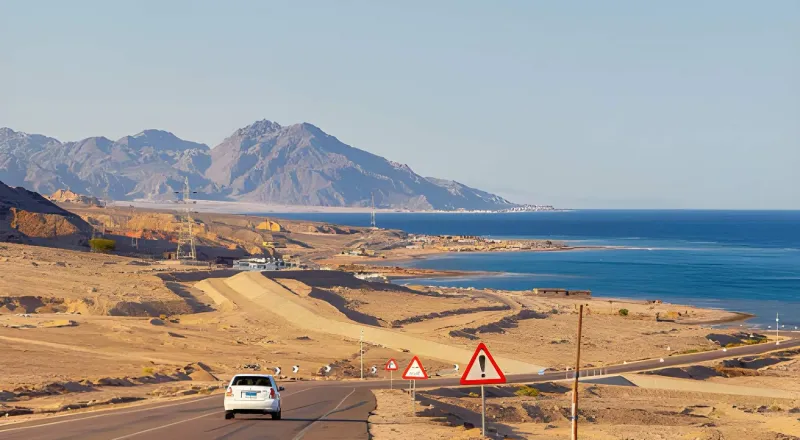
Is It Easy To Drive In Egypt? Full Guide
Driving in Egypt can be challenging for first-time visitors due to heavy traffic, local driving habits, and complex road systems, especially in major cities like Cairo and Alexandria. While renting a car offers flexibility for exploring remote destinations, most travelers find it easier to rely on professional drivers or guided tours for comfort and safety.
Key Takeaways
- Traffic in Cairo and Alexandria is dense and fast-paced, often overwhelming for tourists.
- Road signs are frequently in Arabic, and GPS navigation may not always be reliable in rural areas.
- International driving permits are required for foreigners to legally drive in Egypt.
- Hiring a driver or joining a tour is recommended for stress-free travel between major sites.
- Card payment is available for site tickets at Giza via self-service machines, but not guaranteed elsewhere.
Understanding Egyptian Road Conditions and Traffic Culture
Egyptian roads vary dramatically from modern highways to narrow, bustling city streets. In major cities, expect heavy congestion, unpredictable lane changes, and a general disregard for traffic signals. Honking is common as a form of communication, and pedestrians often cross unexpectedly. Rural roads may be poorly lit and have livestock or unmarked hazards, making night driving particularly risky.
For those planning to visit historic sites like Memphis, the old Egyptian capital, or venturing to oases and Red Sea resorts, road quality can range from well-maintained to rough and sandy tracks. Always check local conditions before setting out.
Essential Requirements for Driving in Egypt
Foreign visitors must hold a valid international driving permit (IDP) alongside their home license. Car rental agencies will request both documents, and police checkpoints may require them as well. Most rental companies also require drivers to be at least 25 years old. Seat belts are mandatory for all passengers, and using a mobile phone while driving is prohibited unless with a hands-free device.
All monument ticket prices are in Egyptian Pounds (EGP), and card payment is available at self-service machines for site tickets at Giza, per the Ministry of Tourism and Antiquities. However, card acceptance is not guaranteed at every site, so carrying some cash is advisable.
City vs. Countryside: Where Is Driving Easier?
| Area | Traffic Level | Road Quality | Navigation | Recommended Option |
|---|---|---|---|---|
| Cairo & Alexandria | Very High | Modern, but congested | Complex, signs mainly in Arabic | Hire a driver or join a tour |
| Red Sea Resorts | Moderate | Good highways | Clearer routes, but some local signage | Self-drive possible for confident drivers |
| Desert Oases | Low | Variable, sometimes rough | GPS unreliable in remote areas | Guided tours or 4x4 rentals |
| Upper Egypt & Nile Valley | Moderate | Mixed, with some narrow rural roads | Signage varies | Driver or group travel recommended |
Should You Rent a Car or Hire a Driver?
While renting a car provides freedom to explore at your own pace, most visitors opt for a car with a local driver. Egyptian drivers are adept at navigating chaotic city streets and have knowledge of local shortcuts and customs. This is especially valuable when visiting attractions like the High Dam of Egypt or venturing into the Western Desert. Hiring a driver also eliminates the stress of dealing with traffic police, unexpected detours, and unfamiliar road rules.
Those who want a seamless travel experience may prefer a guided package, such as the 11 Days Luxury Egypt Tour Package, which includes all transportation and expert guides.
Driving Etiquette and Local Rules
Egyptian drivers communicate constantly with their horns, flashing lights, and hand signals. Lane discipline is loose, and overtaking can happen from any side. Always drive defensively, keep a safe distance, and expect the unexpected. Police checkpoints are common, especially on highways and at city entrances; have your documents ready for inspection.
Be aware that during Ramadan, opening hours for sites and museums are reduced and published per site on the official ticketing portal. Plan your trips accordingly and arrive at least one hour before the site's closing time, as recommended by the Ministry's official ticketing service.
Parking and Fueling Up
Parking in major cities can be challenging. In Cairo, street parking is often managed by unofficial attendants who expect a small tip. Secure parking lots are available at some hotels and shopping centers. Fuel stations are widespread in urban areas but can be sparse in the desert or remote regions. Always fill up before long journeys, especially if heading to destinations like Nuweiba on the Red Sea or the oases of the Western Desert.
Alternatives to Self-Driving in Egypt
For many travelers, joining a Nile cruise or booking a private day tour is the most relaxing way to experience Egypt’s wonders. These options provide expert local guidance, comfortable transportation, and smooth access to top attractions. For those interested in the desert, organized tours to the oases or Sinai Peninsula offer both safety and local insight, as detailed in this guide to Egypt’s oases.
Tips for a Safe and Enjoyable Drive
Always carry your passport, driving license, international permit, and rental agreement. Avoid driving after dark outside major cities due to poor lighting and unexpected road hazards. If you are stopped by police, remain courteous and comply with all requests. For those determined to self-drive, consider starting in quieter regions or coastal areas before tackling the cities.
If you’re planning to haggle in local markets along your journey, review these tips for haggling in Egyptian markets to make the most of your experience.
When to Consider a Guided Tour Instead
Guided tours are ideal for travelers who want to focus on the sights without the stress of driving. Many packages, such as the 7 Days Luxury Egypt Trip, include all transportation, entry fees, and expert commentary. For those with limited time, a day tour to the Giza Pyramids and Egyptian Museum offers a hassle-free way to see the highlights without worrying about traffic or parking.
Frequently Asked Questions
Is it safe for tourists to drive in Egypt?
Driving in Egypt is safe for experienced and confident drivers, but the chaotic traffic, local driving habits, and language barriers make it challenging for most tourists; hiring a driver or joining a tour is generally safer and more convenient.
Do I need an international driving permit in Egypt?
Yes, an international driving permit is required for foreigners to legally drive in Egypt, and you must carry it along with your home country’s license at all times.
Are road signs in English or Arabic?
Most road signs in Egypt are in Arabic, especially outside tourist areas, though some major highways and city centers may display English translations alongside Arabic.
Can I pay for fuel and tolls with a credit card?
Credit card acceptance varies; while some urban fuel stations accept cards, many, especially in rural areas, require cash payment in Egyptian Pounds (EGP).
Is parking difficult in Egyptian cities?
Parking in cities like Cairo and Alexandria can be challenging due to limited spaces and heavy traffic, but secure parking lots are available at some hotels, malls, and major attractions.
What should I do if I am stopped by police while driving?
If stopped by police, remain calm, show your passport, driving license, international permit, and rental documents, and comply politely with any requests.
Are there any free entry policies for monuments and museums?
Yes, entry is free for children under 6, Egyptian seniors aged 60 and above, Egyptians with special needs, and orphaned children, per the Ministry of Tourism and Antiquities; some exemptions at NMEC do not apply on Fridays, Saturdays, and public holidays.
Are there any tips for driving outside major cities?
Outside major cities, roads may be poorly lit and less maintained, so drive cautiously, avoid night travel, and fill up your fuel tank before long journeys to remote destinations.