

The High Dam of Egypt
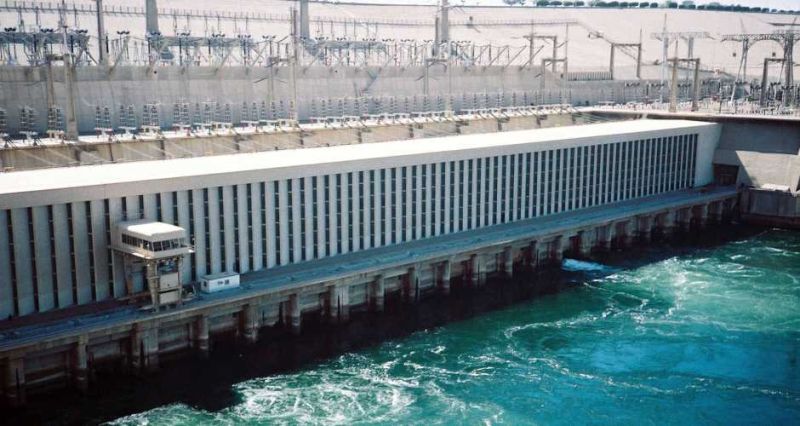
The High Dam of Egypt – A Monument of Engineering Power and National Pride
The High Dam of Egypt stands as one of the most impressive feats of modern engineering in Africa and the Middle East. Situated near Aswan City, this colossal structure reshaped Egypt’s economy, environment, and identity. Built across the mighty Nile River, the High Dam wasn’t merely a construction project—it was a national mission representing independence, power, and progress. Completed in 1970 after a decade of monumental labor, the dam tamed the unpredictable floods of the Nile and forged one of the largest artificial lakes in the world, known as Lake Nasser in Africa. With its vast concrete walls and strategic significance, the High Dam became a symbol of Egypt’s ability to control its destiny and harness the natural forces that shaped its civilization for millennia.
Before the dam’s existence, annual floods from the Nile dictated agricultural cycles. While these floods brought fertile silt to the valley, they also caused devastation in years of excess or drought. The High Dam of Egypt changed that dynamic forever by regulating the river’s flow, providing water storage for irrigation, and generating hydroelectric power for industries and millions of homes. Its construction represents the dawn of a new era—where ancient legacy met modern vision. The Aswan High Dam not only secured Egypt’s agricultural backbone but also redefined its geopolitical status, serving as a testament to Egyptian ingenuity and resilience.
History and Construction of the Aswan High Dam
The story of the High Dam of Egypt began in the mid-20th century when the need for a modern irrigation and flood control system became urgent. Earlier attempts included the Aswan Low Dam, built in 1902, but it was insufficient to handle the Nile’s seasonal extremes. In 1952, following the Egyptian Revolution, President Gamal Abdel Nasser championed a new vision for the nation—a project that would modernize agriculture, produce electricity, and ensure Egypt’s self-sufficiency. The result was the decision to build the Aswan High Dam, a bold undertaking that required tremendous financial, technical, and political resources.
Construction commenced in 1960 with assistance from the Soviet Union after Western funding was withdrawn due to political tensions. The dam’s design featured an embankment structure 3,830 meters long, 111 meters high, and 980 meters wide at its base. Workers labored under intense desert conditions, moving over 43 million cubic meters of material—more than used in building all the pyramids of the Great Pyramids of Giza combined. By 1970, the massive project was completed, and the new Lake Nasser began filling behind the dam, transforming the region’s geography and water system.
The Political Significance and National Symbolism
The High Dam of Egypt wasn’t just a technological marvel—it was a declaration of independence and determination. Nasser’s decision to proceed with the dam despite international pressure symbolized Egypt’s sovereignty and defiance. The dam became a cornerstone in national identity, celebrated as a triumph of willpower and modernity. Its inauguration marked a powerful moment when Egypt, long dependent on the seasonal benevolence of the Nile, finally mastered its flow. Today, the structure continues to stand as a proud emblem of national progress, much like the ancient monuments that have defined Egypt’s grandeur for centuries.
Engineering Marvel of the Nile: Features and Structure
The engineering behind the High Dam of Egypt remains extraordinary. Designed to last for centuries, the dam was constructed using rockfill and clay core techniques to ensure stability and impermeability. Its crest stretches nearly four kilometers, and its reservoir, Lake Nasser, extends over 500 kilometers southward into Sudan. The dam’s hydroelectric station comprises twelve turbines capable of generating over 2.1 gigawatts of electricity, supplying power to major cities, factories, and rural communities. For Egypt, this meant affordable energy and the birth of a new industrial age.
Lake Nasser, one of the world’s largest man-made lakes, holds approximately 132 cubic kilometers of water. This immense storage capacity allows Egypt to provide consistent irrigation throughout the year, turning once-arid lands fertile. However, the dam’s creation also required the relocation of thousands of Nubian residents and the rescue of priceless monuments such as the Abu Simbel temples and the Temple of Philae. These ancient treasures were meticulously moved to higher ground with UNESCO’s international support, preserving Egypt’s cultural heritage from submersion.
The Environmental and Ecological Impact
While the High Dam of Egypt brought undeniable benefits, it also introduced environmental challenges. The regulation of the Nile’s flow reduced the natural replenishment of rich silt in farmlands, compelling farmers to rely more on artificial fertilizers. Fish populations in the river and the Mediterranean Sea changed due to altered ecosystems. Despite these setbacks, the advantages outweighed the losses—Egypt gained flood control, reliable irrigation, and a sustainable energy source, all of which continue to support the nation’s agricultural and industrial ambitions.
Economic and Social Benefits of the Aswan High Dam
The High Dam of Egypt revolutionized the country’s economy. Before its construction, agriculture depended on unpredictable flood cycles. Today, thanks to the dam’s water regulation system, Egypt cultivates millions of hectares with precision irrigation. Crops like cotton, rice, and wheat thrive year-round, ensuring food security and export stability. The dam’s hydroelectric output also fueled industrial expansion, lighting homes from Aswan to Cairo city and beyond. Rural electrification changed lives, reduced poverty, and connected remote communities to national development.
Furthermore, the dam’s flood control measures safeguarded infrastructure, homes, and farmlands from destruction, saving billions in potential damages. The resulting Lake Nasser also promotes fishing, tourism, and navigation. Travelers exploring Egypt’s southern region often include visits to the High Dam, the awe-inspiring Egypt Nile Cruises, and the picturesque Nubian Village, creating a synergy between infrastructure and cultural tourism. This unique balance between engineering achievement and heritage preservation makes the High Dam an icon of both progress and tradition.
Energy Generation and Industrial Transformation
The hydroelectric power generated by the Aswan High Dam propelled Egypt toward modernization. With twelve massive turbines spinning from the Nile’s controlled flow, the dam produces around ten billion kilowatt-hours annually. This clean energy source reduces reliance on fossil fuels, empowering industries from steel production to textiles. The reliable electricity supply also encouraged technological development, urban growth, and improved living standards. Egypt’s government continues to invest in upgrading the dam’s efficiency, ensuring its role in the nation’s energy matrix remains central for generations to come.
Tourism and Cultural Significance
Today, the High Dam of Egypt is more than a utility structure—it’s a celebrated tourist attraction. Visitors flock to Aswan to witness this modern wonder blending seamlessly with the ancient legacy of the region. The panoramic views from the dam’s crest reveal the immense sweep of Lake Nasser and the desert beyond. Tourists frequently integrate their visit with trips to sites like the nearby Nubian Museum in Aswan and the Egypt Travel Packages that highlight the marvels of southern Egypt. The dam represents the meeting point of ancient civilization and modern aspiration—a must-see landmark for travelers seeking to understand Egypt’s evolution across millennia.
Preserving Heritage Amid Modernization
Despite the dam’s immense transformation of the Nile Valley, Egypt has preserved its historical identity through remarkable international efforts. The relocation of temples like Philae and Abu Simbel remains one of the most impressive archaeological rescue missions in history. These efforts underscored Egypt’s commitment to safeguarding its cultural legacy while embracing progress. The High Dam of Egypt thus serves as a bridge between eras—a symbol of continuity, adaptation, and pride.
Challenges and Controversies
No monumental project comes without controversy. The High Dam of Egypt faced criticism for its environmental impact, displacement of Nubian communities, and the loss of ancient landscapes. Sediment build-up behind the dam, reduced silt flow, and ecological changes in the Delta region are ongoing concerns. Yet, continuous scientific and engineering efforts aim to mitigate these effects. Modern irrigation techniques, water management policies, and ecological monitoring have become central to Egypt’s sustainable development. The dam’s legacy, although complex, remains overwhelmingly positive in the eyes of Egyptians, who view it as a cornerstone of their national revival.
Future Prospects and Sustainability
Looking ahead, the High Dam of Egypt continues to play a vital role in the country’s future. It supports Egypt’s green energy goals, climate adaptation strategies, and agricultural modernization. Engineers and environmentalists collaborate to optimize water distribution, enhance hydroelectric output, and preserve Lake Nasser’s ecosystem. As Egypt grows, the dam’s influence evolves—shifting from being a symbol of independence to one of resilience and sustainability.
Frequently Asked Questions about The High Dam of Egypt
What is the main purpose of the High Dam of Egypt?
The High Dam of Egypt was built to control the annual flooding of the Nile River, store water for irrigation, and generate hydroelectric power. It ensures a stable water supply, prevents flood damage, and supports Egypt’s agricultural and industrial growth.
When was the Aswan High Dam constructed?
Construction of the High Dam began in 1960 and was completed in 1970. It was officially inaugurated in 1971, marking a new era of energy production and water management in Egypt.
How does the High Dam of Egypt benefit agriculture?
The dam provides consistent irrigation throughout the year, allowing farmers to cultivate multiple crops and expand arable land. It eliminated the dependency on unpredictable flood cycles, increasing agricultural productivity and food security.
What are some environmental effects of the High Dam?
The regulation of the Nile’s flow reduced the natural deposition of silt, affecting soil fertility and fish habitats. However, ongoing studies and sustainable practices aim to offset these impacts while maintaining the dam’s essential benefits.
Can tourists visit the High Dam of Egypt?
Yes, visitors can explore the High Dam in Aswan, enjoy panoramic views of Lake Nasser, and learn about its history and significance. Many Egypt Excursions include the High Dam as part of a comprehensive cultural and historical itinerary across southern Egypt.


Our Partners
Our Awesome Partners