

Memphis Egypt, the old Egyptian capital
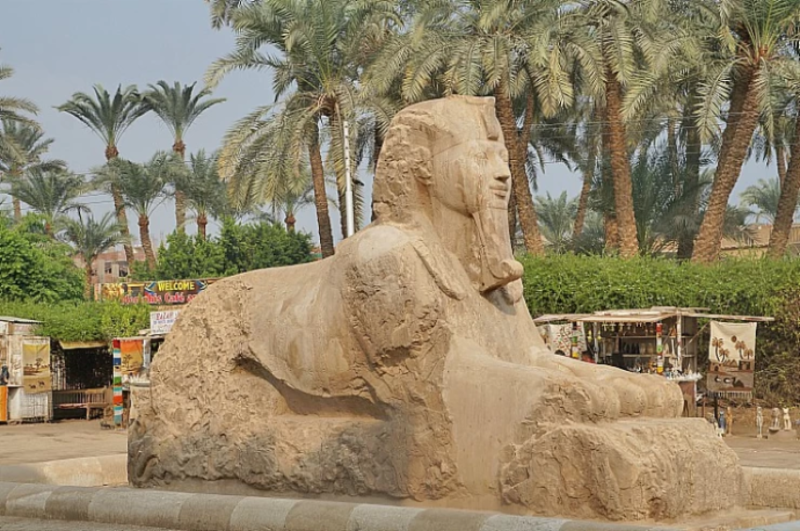
Memphis Egypt: The Legendary Birthplace of Ancient Civilization
Once the beating heart of the ancient world, Memphis Egypt stands as a testament to the brilliance, innovation, and grandeur of early human civilization. Nestled on the west bank of the Nile River, this ancient city marked the dawn of Egyptian power, serving as the old Egyptian capital for thousands of years. Founded around 3100 BCE by the unifier King Narmer (also known as Menes), Memphis became Egypt’s first capital, symbolizing unity, prosperity, and power. This city wasn't merely a political hub—it was the cradle of Egypt’s religious, economic, and cultural life. With breathtaking temples, colossal statues, and an aura that transcends time, Memphis Egypt remains a must-see destination for history lovers and explorers chasing the echoes of antiquity.
Today, the archaeological site of Memphis lies near modern-day Mit Rahina, about 20 kilometers south of Cairo city. For travelers embarking on immersive Egypt Travel Packages, a visit to Memphis Egypt unveils the origins of pharaonic civilization long before the construction of the Great Pyramids of Giza. The city’s legendary past is brought to life through remarkable ruins, including the colossal Statue of Ramses II and remnants of the Temple of Ptah, revealing stories of divine kingship, architectural mastery, and artistic excellence that shaped Egypt’s identity. This article explores Memphis Egypt in depth—its origin, cultural importance, religious influence, and the enduring mysteries that still captivate tourists and scholars alike.
The Founding of Memphis Egypt and Its Strategic Importance
Memphis Egypt was more than a capital—it was a masterpiece of strategic genius. King Narmer selected the location where Upper and Lower Egypt met, making it a natural center for governance. Positioned between the Nile Delta and the Valley, Memphis controlled major trade routes connecting Africa and the Mediterranean, ensuring economic dominance and political stability. The city’s placement near Sakkara Necropolis and other sacred burial grounds gave it both symbolic and spiritual importance. The smooth flow of the Nile nourished its lands, turning Memphis into a thriving metropolis teeming with temples, workshops, and bustling markets full of artisans and merchants.
The city’s defensive walls, built from mudbrick, encircled temples dedicated to Ptah, the god of craftsmen and creation. It became a center for monumental architecture and religious innovation. Memphis also served as a gateway to the mighty pyramids and served as the seat of power for Egypt’s earliest dynasties. Its strategic role in politics, culture, and religion made it the cornerstone of ancient Egyptian civilization for nearly eight centuries.
The Architectural Marvels of Memphis Egypt
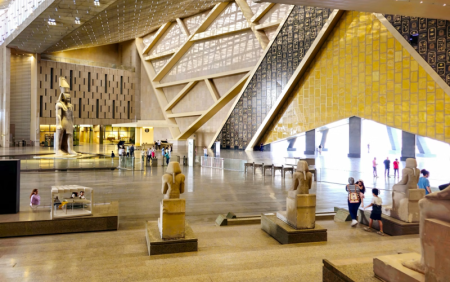
The architectural achievements of Memphis Egypt are nothing short of awe-inspiring. The Temple of Ptah dominated the city’s skyline, symbolizing the spiritual foundation of Egyptian culture. The ruins still bear inscriptions and carvings glorifying the divine triad—Ptah, Sekhmet, and Nefertem. The colossal Statue of Ramses II, discovered at the site, reflects the artistic brilliance of the New Kingdom, capturing the pharaoh’s majesty in exquisite limestone detail. This statue, along with other artifacts now preserved at The Grand Egyptian Museum, reveals the city’s enduring devotion to craftsmanship and design.
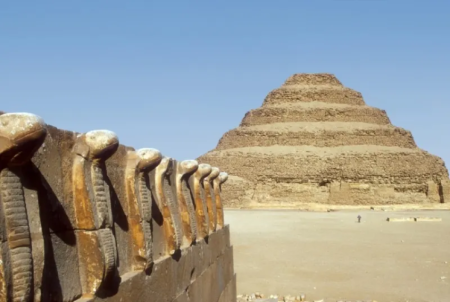
Near Memphis, the necropolis of Saqqara hosts the world’s first pyramid—the Step Pyramid of Djoser. This architectural wonder marked the beginning of pyramid construction techniques that reached their zenith in Giza. Visitors exploring Egypt Nile Cruises often include Memphis and Saqqara in their itineraries to witness firsthand the transition from early mastaba tombs to the majestic pyramids that became eternal symbols of the pharaohs’ divine legacy.
Religious Significance: The Cult of Ptah and Divine Power
Religion in Memphis Egypt played a vital role in shaping its identity. As the seat of Ptah’s worship, the city was considered the birthplace of creation. Ancient texts describe Ptah as the god who conceived the world through thought and speech—a divine architect shaping not only Egypt but the cosmos. The temple complex at Memphis was at the heart of spiritual ceremonies, where priests performed rituals to maintain harmony between the gods and humanity. The Memphis Theology, an ancient philosophical document, depicted the universe as a divine manifestation of Ptah’s creative will, influencing later theological thought throughout Egypt.
Memphis also served as a religious hub connecting the beliefs of other deities like Apis, the sacred bull worshipped as Ptah’s earthly embodiment. The Apis bull was housed in elaborate chambers, venerated as a living god, and buried with royal honors after death. The reverence for Apis and Ptah intertwined religion and governance, reinforcing the pharaoh’s divine right to rule. Visitors today can still sense this spiritual energy while walking among the ruins where powerful rituals once animated the city’s sacred grounds.
Economic Prosperity and Trade Networks of Memphis Egypt
Memphis’s economic might stemmed from its prime location. The city controlled trade along the Nile, serving as a vital distribution hub for goods traveling between Upper and Lower Egypt. Gold from Nubia, cedar from Lebanon, and exotic spices from the Red Sea all passed through Memphis’s bustling ports. Artisans and metalworkers produced exquisite jewelry, pottery, and statues that adorned the temples and palaces of pharaohs. This wealth sustained a thriving population and attracted foreigners seeking fortune and opportunity in the world’s most advanced civilization.
Modern archaeologists have uncovered workshops, granaries, and administrative offices that reveal the scale of Memphis’s economic activities. The city’s influence extended far beyond its borders, shaping Egypt’s commercial landscape for centuries. Many travelers today exploring Egypt Excursions discover how Memphis’s economic legacy paved the way for the grand empires that followed, from Thebes to Alexandria.
Memphis Egypt and Its Connection to Nearby Ancient Wonders
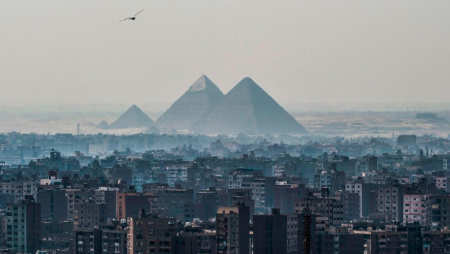
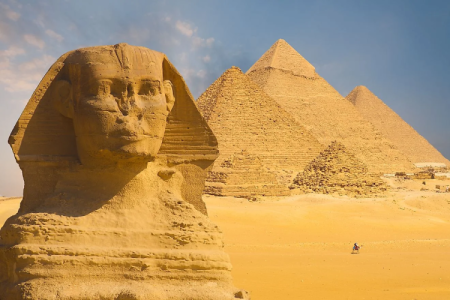
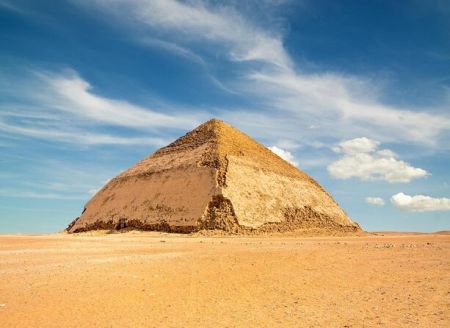
Memphis’s proximity to other monumental sites further amplifies its historical significance. Just a few kilometers away lie the Saqqara Pyramids, the necropolis of Dahshour, and the Sphinx Statue guarding Giza. These ancient landmarks collectively tell the story of Egypt’s evolution from early dynastic innovation to architectural perfection. Memphis served as the administrative and spiritual link connecting all these sacred sites, making it the focal point of ancient Egyptian religion and governance.
Archaeological expeditions continue to uncover artifacts that bridge the cultural gap between Memphis and surrounding necropolises. Every discovery—whether a stone tablet, a broken statue, or a royal inscription—unveils new insights into the city’s influence on early Egyptian statecraft and architectural genius.
The Decline and Rediscovery of Memphis Egypt
After centuries of prosperity, Memphis began to decline around the first millennium BCE as the capital shifted to Thebes and later to Alexandria. Yet, it never disappeared completely. The city remained a religious center, revered for its sanctity long after political power had waned. Greek and Roman travelers admired its temples and monuments, describing it as one of the world’s greatest cities. Over time, the sands of history buried much of Memphis, leaving only fragments of its former glory visible.
In the 19th century, archaeologists rediscovered Memphis, unearthing colossal statues, temples, and stelae that astonished the modern world. Excavations revealed a city of unparalleled beauty and organization, redefining the understanding of Egypt’s early dynastic history. Today, Memphis stands proudly as a UNESCO World Heritage site, drawing visitors eager to step into the birthplace of pharaohic civilization and witness the foundation of human achievement.
Modern Tourism and the Living Legacy of Memphis Egypt
Travelers exploring Egypt often begin their journey in Cairo before venturing into the timeless ruins of Memphis. Many Egypt Luxury Tours and Egypt Vacations Packages include guided visits to Memphis, Saqqara, and Dahshour, offering an intimate look into Egypt’s earliest dynastic treasures. Standing beside the colossal statue of Ramses II or tracing hieroglyphs inside the Temple of Ptah fills travelers with awe and connection to the past. Modern tourism has allowed Memphis to thrive once again, blending ancient heritage with contemporary exploration.
For history enthusiasts, photographers, and spiritual seekers, visiting Memphis is like opening a portal to another era. Every stone whispers stories of gods, kings, and commoners who built the foundation of civilization. The echoes of chants once performed for Ptah still seem to linger in the air, reminding travelers that Memphis Egypt is not just an archaeological site—it’s a living symbol of human ingenuity and devotion.
FAQs About Memphis Egypt, the Old Egyptian Capital
1. Where is Memphis Egypt located?
Memphis Egypt is located near the modern village of Mit Rahina, approximately 20 kilometers south of Cairo, along the west bank of the Nile River. Its strategic position between Upper and Lower Egypt made it ideal as the country’s first capital.
2. Who founded Memphis Egypt?
King Narmer, also known as Menes, founded Memphis around 3100 BCE after uniting Upper and Lower Egypt. He established it as the capital to symbolize unity and centralize political and religious authority.
3. What is Memphis Egypt famous for?
Memphis is renowned for its colossal statues of Ramses II, the Temple of Ptah, and its role as Egypt’s first capital. It’s also celebrated for being the spiritual center of the worship of Ptah and the Apis bull.
4. How can visitors explore Memphis Egypt today?
Visitors can explore Memphis through guided tours included in Cairo Day Tours or longer itineraries available in Egypt Easter Tours. The open-air museum at Mit Rahina showcases many artifacts, including the famous Statue of Ramses II and the alabaster sphinx.
5. What makes Memphis Egypt a UNESCO World Heritage site?
Memphis was designated a UNESCO World Heritage site for its immense historical significance, being the birthplace of Egypt’s civilization and home to numerous temples, tombs, and artifacts that mark the dawn of dynastic Egypt. Its proximity to Saqqara and Dahshour enhances its cultural and archaeological value.
Planning your Egypt trip? See our Tour to Giza Pyramids, Saqqara, and Memphis.





Our Partners
Our Awesome Partners