

Lake Nasser in Africa
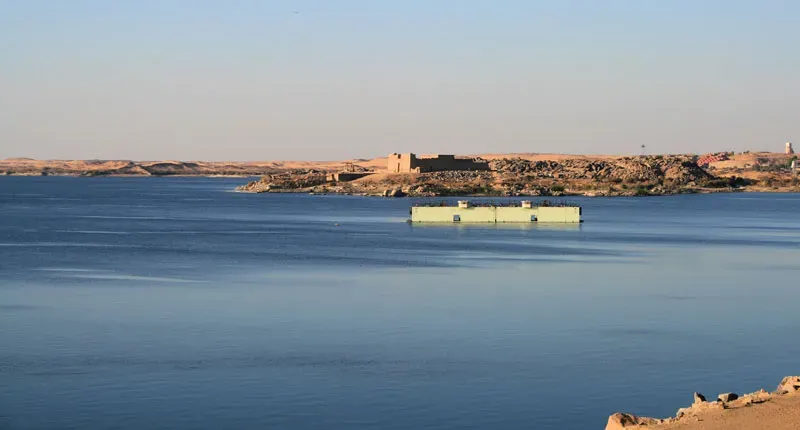
Lake Nasser in Africa – The Immense Jewel of the Egyptian South
Lake Nasser in Africa is one of the largest artificial lakes on Earth, stretching majestically across southern Egypt and northern Sudan. This colossal reservoir, born from the construction of the Aswan High Dam, embodies ambition, innovation, and survival in an arid desert landscape. With a length of approximately 550 kilometers and a maximum width of 35 kilometers, Lake Nasser sprawls through the ancient land of Nubia, cradled between sandstone hills and timeless desert plains. It’s not merely a body of water; it’s a symbol of Egypt’s modern engineering might, a sanctuary for diverse wildlife, and a lifeline for millions of Egyptians depending on its regulated waters.
Before Lake Nasser’s creation in the 1960s, the region was dominated by the unpredictable floods of The Nile River. The construction of the Aswan High Dam brought stability, taming the Nile’s wild rhythm while transforming Egypt’s agricultural economy. Yet, the lake’s rise also submerged ancient Nubian villages and temples, prompting a massive UNESCO-led relocation project that preserved timeless monuments like the Abu Simbel temples. Today, Lake Nasser shimmers under the African sun, offering travelers a rare blend of natural wonder, historical grandeur, and serene adventure.
This vast expanse of deep blue water is a magnet for eco-tourists, anglers, historians, and those seeking tranquility far from Egypt’s bustling cities. It’s a place where time slows down, where ancient legends whisper through desert winds, and where one can witness the harmonious coexistence between man, nature, and history. Join us as we explore the fascinating story of Lake Nasser in Africa—its origins, ecosystem, attractions, and enduring significance to Egypt’s soul.
The Birth of Lake Nasser – Engineering Marvel of the Aswan High Dam
The creation of Lake Nasser is an astounding tale of human determination. Named after Egypt’s iconic leader President Gamal Abdel Nasser, the lake was formed between 1958 and 1971 following the completion of the colossal The High Dam of Egypt. Built to control flooding, generate electricity, and ensure year-round irrigation, the dam fundamentally altered the geography of southern Egypt and northern Sudan. The reservoir’s storage capacity exceeds 132 cubic kilometers—enough to sustain agriculture and drinking water for decades.
However, Lake Nasser’s creation wasn’t without sacrifice. Over 100,000 Nubians were relocated, and around twenty ancient temples faced submersion. The most famous of these, the Abu Simbel complex, was cut into massive blocks and reassembled piece by piece above the new waterline. This monumental project remains one of the most extraordinary archaeological rescue missions ever undertaken, symbolizing the global significance of Egypt’s heritage.
Geographical Features and Hydrology of Lake Nasser
Lake Nasser’s geography is mesmerizing. It stretches from the Aswan High Dam in Egypt to the Dal Cataract in Sudan, where it’s known as Lake Nubia. The lake’s serpentine shape winds through sandstone escarpments, forming countless inlets and islands. These isolated habitats nurture an incredible range of biodiversity—from Nile crocodiles and monitor lizards to migratory birds and rare fish species.
The lake’s hydrology is critical to Egypt’s sustainability. It regulates the Nile’s flow, ensuring that Egypt’s fertile delta receives consistent irrigation. This stability transformed agricultural practices, allowing year-round cultivation of crops like wheat, sugarcane, and cotton. Interestingly, sedimentation patterns have changed since the dam’s completion, altering soil fertility downstream—a challenge that Egypt continues to manage through modern agricultural innovation.
Wildlife and Biodiversity Around Lake Nasser
Lake Nasser in Africa has become a haven for wildlife, creating new ecosystems in an otherwise arid region. The lake supports over 100 species of fish, including Nile perch, tilapia, and catfish, making it a paradise for anglers and sport fishers. The vast wetlands and islands attract migratory birds such as herons, ospreys, and pelicans, turning the area into a natural sanctuary for birdwatching enthusiasts.
Reptiles play a starring role here, particularly the Nile crocodile. Once endangered, these formidable creatures thrive in Lake Nasser’s protected waters. Antelopes and desert foxes roam the shores, while the isolated islands provide refuge for rare flora that’s adapted to the harsh desert climate. For travelers seeking eco-adventures, Lake Nasser’s biodiversity offers an immersive experience in one of North Africa’s wildest settings.
Tourism and Adventures on Lake Nasser
Lake Nasser is more than an engineering triumph—it’s a thrilling destination for explorers and history lovers. Cruises across its waters reveal breathtaking views of ancient temples, remote Nubian villages, and desert landscapes untouched by time. Many travelers begin their journey from Aswan City, sailing southward toward the Sudanese border, stopping at monumental sites along the way.
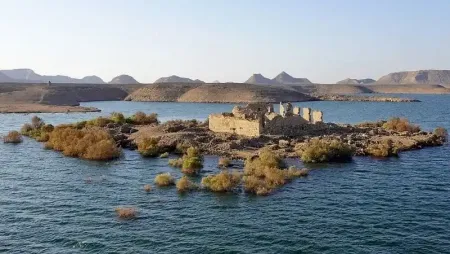
Visitors can embark on specialized Egypt Nile Cruises dedicated to Lake Nasser, offering luxurious cabins, fine dining, and guided tours to historical landmarks. Among the most captivating stops is Qasr Ibrim, an ancient fortress rising dramatically from the water, the only major Nubian monument still in its original location. Each bend of the lake reveals history carved into the cliffs, whispering tales of Pharaohs and Nubian kings.
Fishing Expeditions and Eco-Tourism
For anglers, Lake Nasser is legendary. It’s home to one of the world’s largest freshwater game fish—the mighty Nile perch. Fishing expeditions here blend adventure and tranquility, with expert guides leading small groups to secluded coves teeming with life. Eco-tourism thrives as visitors camp on the lake’s islands, enjoy starlit dinners, and engage with local Nubian culture. The sustainable tourism model ensures that Lake Nasser’s delicate ecosystem remains preserved for future generations.
Cultural Encounters and Nubian Heritage
Beyond its natural beauty, Lake Nasser holds profound cultural significance. The Nubian people, who once inhabited the valley before the flooding, have maintained their unique traditions, language, and artistry. Visiting their relocated villages near Aswan and around the The Nubian Village offers a glimpse into their resilience and craftsmanship. Their colorful homes, rhythmic music, and warm hospitality provide visitors with an unforgettable human connection.
Historical Treasures Surrounding Lake Nasser
Lake Nasser’s shores are adorned with ancient wonders—reminders of Egypt’s grandeur. The most iconic among them are the Abu Simbel temples, masterpieces built by Pharaoh Ramses II. These colossal structures, adorned with statues and intricate carvings, celebrate divine glory and royal power. Near them lies the smaller but equally exquisite Temple of Hathor, dedicated to Queen Nefertari, Ramses II’s beloved consort.
Further north, the temples of Wadi el-Sebua, Dakka, and Amada showcase unique architectural diversity. Each was painstakingly relocated to higher ground before the flooding—an effort that saved a priceless chapter of human history. The area also hosts the The Nubian Museum in Aswan, where visitors can explore artifacts and stories that chronicle Nubia’s ancient civilization and the impact of the dam project.
Modern Significance of Lake Nasser for Egypt
Lake Nasser is far more than a tourist attraction—it’s vital to Egypt’s survival. It supplies hydroelectric power, sustains irrigation, and secures water during droughts. The Aswan High Dam’s turbines generate a large portion of Egypt’s electricity, driving industry and urban growth. The controlled water release ensures fertile lands along the Nile remain productive, feeding millions annually.
Moreover, Lake Nasser has spurred economic opportunities in fishing, transportation, and tourism. Its strategic importance resonates even beyond Egypt’s borders, fostering cooperation between Egypt and Sudan. The sustainable management of this lake is central to maintaining ecological balance and national prosperity.
Planning a Trip to Lake Nasser – Practical Travel Tips
Traveling to Lake Nasser in Africa combines adventure with serenity. Most journeys start in Aswan, accessible via flights, trains, or organized Egypt Excursions. Visitors can book private sailing cruises, fishing safaris, or guided archaeological tours. The best time to visit is between October and April, when temperatures are moderate, and skies clear, allowing for idyllic exploration.
Travelers seeking cultural immersion can extend their trip to include iconic sites like the The Valley of the Kings or embark on desert adventures through Egypt Desert Tours. Whether pursuing relaxation, history, or wildlife photography, Lake Nasser delivers an experience that transcends ordinary tourism.
Best Activities and Experiences
Top activities include cruising, birdwatching, fishing, and temple exploration. The silence of the desert, broken only by gentle waves, creates an atmosphere unlike anywhere else in Egypt. Stargazers will find the night skies above Lake Nasser unforgettable—millions of stars reflected upon calm, mirror-like water.
Responsible Travel and Conservation
With increasing tourism, preserving Lake Nasser’s delicate ecosystem is paramount. Sustainable operators promote waste-free travel, limit motorized boat use, and encourage visitors to respect local traditions. Supporting community-led projects ensures that tourism empowers Nubian families while protecting their natural and cultural heritage.
Frequently Asked Questions About Lake Nasser in Africa
1. Where exactly is Lake Nasser located?
Lake Nasser spans southern Egypt and northern Sudan, stretching from the Aswan High Dam to the Dal Cataract. About 80% of the lake lies in Egypt, while the southern portion, known as Lake Nubia, extends into Sudan.
2. Why was Lake Nasser created?
Lake Nasser was formed after building the Aswan High Dam to control Nile flooding, store water for irrigation, and generate hydroelectric power. It’s a cornerstone of Egypt’s modern development strategy.
3. What wildlife can be found in Lake Nasser?
The lake hosts Nile perch, tilapia, catfish, and a variety of birds like herons, pelicans, and ospreys. Nile crocodiles thrive here, along with desert mammals and flora adapted to the semi-arid climate.
4. What are the main tourist attractions near Lake Nasser?
Major attractions include Abu Simbel temples, Wadi el-Sebua, Amada Temple, and Qasr Ibrim. Visitors often combine their trip with excursions to Luxor Temple or the Karnak Temple for a complete ancient Egypt experience.
5. Can you take cruises on Lake Nasser?
Absolutely. Lake Nasser cruises rank among the most serene travel experiences in Egypt. They often include guided visits to archaeological sites, onboard dining, and sunset views that capture the lake’s mesmerizing tranquility.
Planning your Egypt trip? See our Best Luxury tour to Cairo, Nile & Lake Cruise.
Our Partners
Our Awesome Partners