
The Nubian Village
The Nubian Village: A Living Treasure of Culture, Color, and Heritage in Aswan
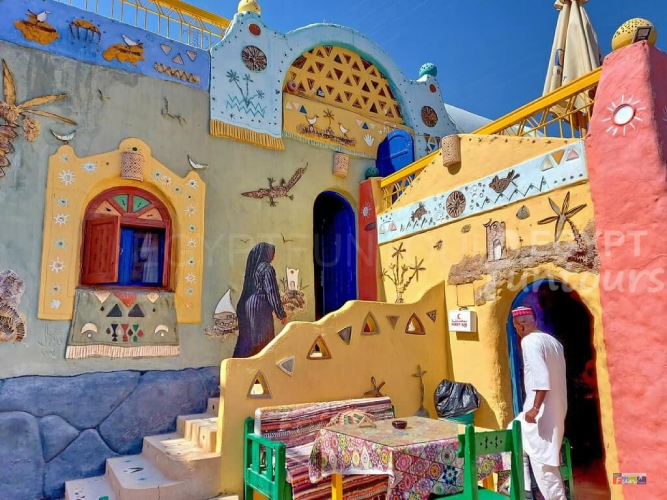
Nestled along the sun-drenched banks of The Nile River, The Nubian Village stands as one of Egypt’s most enchanting cultural destinations. Located near Aswan City, this picturesque settlement offers travelers an authentic glimpse into Nubia’s ancient legacy — a civilization older than the Pharaohs themselves. Painted in vibrant blues, yellows, and pinks, the village is a living museum of color and tradition. From the moment you step onto the sandy streets, you’re greeted by the friendly smiles of the Nubians, whose hospitality and pride in their heritage create an unforgettable experience. The Nubian Village is more than a place to visit; it’s a journey through time, culture, and artistic expression that captures the heart of Egypt’s southern soul.
For those exploring Egypt Nile Cruises or embarking on adventurous Egypt Excursions, a stop at The Nubian Village is often a highlight. This vibrant corner of Egypt embodies the essence of sustainable tourism, where travelers can interact with locals, learn about ancient Nubian customs, and witness a lifestyle harmoniously balanced between modernity and tradition. With its colorful architecture, aromatic spice markets, and rhythmic drums echoing through the air, The Nubian Village invites visitors to feel the warmth of Africa’s oldest cultural heartland.
Discovering the Roots of Nubian Civilization
The Nubians are among the most ancient peoples to have inhabited the Nile Valley, with a history that stretches back over 7,000 years. Their civilization once extended across southern Egypt and northern Sudan, thriving through trade, agriculture, and art. The Nubian Kingdoms of Kerma, Napata, and Meroe were powerful centers of culture and innovation, influencing even the mighty Pharaohs of Egypt. The Nubian Village in Aswan preserves these roots, keeping alive the language, traditions, and artistry that once flourished along the riverbanks.
Many travelers exploring Egypt Travel Packages include a visit to The Nubian Village specifically to connect with this enduring heritage. The people’s resilience and pride are palpable; despite centuries of displacement caused by the construction of The High Dam of Egypt, the Nubians have preserved their cultural identity through their art, language, and architecture. Each home in the village tells a story — brightly colored murals illustrate daily life, ancient symbols, and tales of the Nile, offering visitors an immersive history lesson wrapped in beauty.
The Vibrant Architecture and Symbolism of The Nubian Homes
Walking through The Nubian Village feels like stepping into a living gallery. The architecture is distinct — dome-shaped roofs, arched doorways, and painted facades adorned with geometric designs and protective symbols. The Nubians believe that color brings positive energy and wards off evil spirits, which is why every home bursts with shades of turquoise, orange, and green. Many villagers decorate their walls with depictions of crocodiles, camels, and boats, paying homage to the river and desert that define their lives.
Inside these homes, visitors often find handcrafted pottery, woven baskets, and traditional textiles dyed with natural pigments. These crafts not only preserve Nubian identity but also support the local economy. As part of many Egypt Luxury Tours, guests can even take part in workshops where artisans teach the intricate techniques of Nubian craftmaking — a rare opportunity to connect with Egypt’s living art traditions.
The Warm Spirit of Nubian Hospitality
One of the most unforgettable aspects of visiting The Nubian Village is the people themselves. Nubians are renowned for their generosity, warmth, and engaging storytelling. Guests are often invited into homes to share hibiscus tea or taste traditional Nubian dishes such as 'fatta' or 'okra stew.' These moments of genuine connection reveal the soul of the community — a culture built on kindness, respect, and unity.
Many travelers who join Egypt Vacations Packages find this interaction deeply moving, as it contrasts with the grandeur of temples and monuments. Here, history is personal. The Nubians take pride in educating visitors about their customs, their language — which is distinct from Arabic — and the stories of resilience that define their identity.
Exploring the Natural Beauty Around The Nubian Village
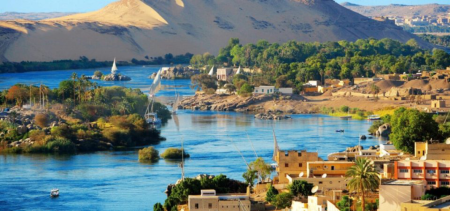
The landscape surrounding The Nubian Village is breathtaking. The gentle curve of The Nile reflects the golden hues of the desert cliffs, while palm trees sway in the cool river breeze. Just across the water lies Elephantine Island, once an important trading hub and now a site of ancient ruins and archaeological treasures. Visitors can also explore The Nubian Museum in Aswan, a fascinating space that chronicles the history and artistry of the Nubian people across the ages.
For travelers seeking deeper immersion, combining a visit to The Nubian Village with a cruise on Best Nile River Cruises creates an extraordinary adventure. The scenic boat ride offers stunning views, the rhythmic lapping of the river, and glimpses of daily life along the Nile’s edge — fishermen casting nets, children splashing by the shore, and women balancing water jars with graceful ease.
Authentic Nubian Cultural Experiences
Visitors to The Nubian Village can enjoy a variety of cultural experiences that go far beyond sightseeing. From live music performances to traditional henna painting, every interaction offers insight into a way of life that has thrived for millennia. The rhythmic beat of Nubian drums, accompanied by the distinctive melodies of tambourines and clapping, fills the air with infectious energy. These performances, often held during evening gatherings, showcase the community’s joyful spirit and love for celebration.
Art enthusiasts will find plenty to admire in the colorful murals that decorate the village walls. Each painting tells a story — of harvest, marriage, or spiritual journeys. Tourists can also browse small markets where artisans sell handmade jewelry, carved wooden figurines, and woven mats. Supporting these local crafts helps preserve Nubian cultural traditions and ensures that future generations continue to inherit this legacy.
The Nubian Language and Oral Traditions
One of the most fascinating aspects of Nubian culture is its language. Unlike Arabic, the Nubian language belongs to an entirely different linguistic family, linking it to Africa’s ancient tongues. For centuries, this language was passed down orally, with songs, tales, and proverbs carrying the wisdom of generations. Elders in The Nubian Village often gather children under the shade of palm trees to recount folk stories about heroes, spirits, and the eternal bond between the Nubians and The Nile.
Travelers interested in cultural immersion will find these storytelling moments truly magical. They bridge the gap between ancient Africa and modern Egypt, showing how language serves as a living vessel of identity. Just as the Temple of Philae preserves Egypt’s religious heritage, The Nubian Village safeguards its linguistic soul.
A Destination of Sustainability and Heritage Preservation
Today, The Nubian Village also stands as a model of sustainable tourism. Locals have embraced eco-friendly practices, from solar-powered homes to organic agriculture. Traditional architecture naturally keeps interiors cool, reducing energy use. Visitors are encouraged to respect this delicate balance by supporting local businesses, minimizing waste, and learning about community-led conservation projects. This eco-conscious approach ensures that the village continues to thrive without compromising its authenticity.
Many tour operators now include The Nubian Village in their Egypt Easter Tours, offering travelers seasonal opportunities to participate in local festivities. During these celebrations, the air fills with music, laughter, and dance — a testament to the Nubians’ enduring joy and connection to their ancestral land.
How to Visit The Nubian Village
Reaching The Nubian Village is easy and delightful. Most visitors arrive by traditional felucca sailboat or motorboat from Aswan. The journey takes about 30 minutes, gliding along a peaceful stretch of the river surrounded by dramatic granite formations and lush islands. Once you arrive, guided tours provide insight into local life, from school visits to spice market strolls. The best time to visit is during the cooler months from October to April, when the weather is perfect for exploration.
For those crafting personalized itineraries through Egypt Desert Tours or cultural packages, including The Nubian Village ensures a well-rounded perspective of Egypt — one that goes beyond temples and tombs to embrace living traditions and human warmth.
Conclusion: Embracing the Heart of Nubia
The Nubian Village isn’t just a stop on the tourist trail; it’s a heartwarming journey into the soul of ancient Africa. Its people, colors, and traditions tell a story that refuses to fade. As modern Egypt evolves, The Nubian Village remains a beacon of authenticity — a reminder that culture thrives not only in monuments but in the daily lives of those who nurture it. Visiting this enchanting village is more than sightseeing; it’s an experience of connection, respect, and timeless beauty that lingers long after you’ve departed Aswan’s golden shores.
Frequently Asked Questions About The Nubian Village
1. Where is The Nubian Village located?
The Nubian Village is situated on the west bank of The Nile near Aswan, southern Egypt. It’s easily accessible by boat, offering scenic views of river islands and desert landscapes along the way.
2. What makes The Nubian Village unique?
Its vivid architecture, rich cultural heritage, and warm hospitality make The Nubian Village a standout destination. The community preserves ancient Nubian language, art, and customs, offering visitors an authentic cultural experience unlike any other in Egypt.
3. How do you reach The Nubian Village from Aswan?
Travelers can take a felucca or motorboat from Aswan’s riverbank. The trip typically takes around 30 minutes, providing a peaceful and scenic ride along The Nile River.
4. What activities can visitors enjoy in The Nubian Village?
Tourists can explore colorful homes, shop for handmade crafts, enjoy Nubian music and dance, or savor traditional meals with local families. Many tours also include visits to nearby attractions like The Nubian Museum in Aswan and Abu Simbel temples.
5. What’s the best time to visit The Nubian Village?
The best time to visit is between October and April, when temperatures are mild and comfortable. During this period, travelers can fully enjoy the outdoor activities, river cruises, and cultural interactions offered by the village.


Our Partners
Our Awesome Partners