

Tomb of Nefertari

Tomb of Nefertari: The Queen’s Eternal Masterpiece in the Valley of the Queens
The Tomb of Nefertari, known as QV66, stands as one of the most breathtaking monuments of ancient Egyptian art and devotion. Nestled in the Valley of the Queens near Luxor City, this tomb is a radiant tribute to Queen Nefertari, the beloved wife of Pharaoh Ramses II. Known as the ‘Most Beautiful of Them All,’ Nefertari’s final resting place celebrates her eternal journey through vivid wall paintings, hieroglyphic inscriptions, and vibrant symbolism that still captivates historians and travelers today. This masterpiece of Egyptian funerary art was discovered in 1904 by Ernesto Schiaparelli, and ever since, it has been hailed as the Sistine Chapel of ancient Egypt. Every inch of its interior reveals a story of divine love, immortality, and the unbreakable bond between a pharaoh and his queen.
Today, the Tomb of Nefertari remains one of the most sought-after experiences for travelers exploring Egypt Nile Cruises or immersive Egypt Excursions. The tomb’s allure lies not only in its aesthetic brilliance but also in its deep cultural and spiritual significance. With meticulous preservation efforts, visitors can now step back over 3,000 years and stand face-to-face with scenes portraying Nefertari’s soul’s voyage to eternity. From her encounters with deities like Hathor and Osiris to the detailed depictions of the afterlife, every detail whispers secrets of ancient Egyptian beliefs, artistry, and devotion.
The Life and Legacy of Queen Nefertari
Queen Nefertari, whose name means ‘Beautiful Companion,’ was not only Ramses II’s Great Royal Wife but also a central figure in the political and spiritual realm of Egypt’s 19th Dynasty. Her intelligence, elegance, and influence were unmatched, and her husband immortalized her through temples and monuments, most notably at Abu Simbel temples. Her tomb serves as a reflection of not just her beauty but her divine status, portraying her as both human and goddess-like. The artistic compositions vividly illustrate her close relationship with gods such as Isis and Hathor, emphasizing her role as an intercessor between the divine and mortal worlds.
Throughout the tomb, inscriptions and iconography glorify Nefertari’s intellect and grace. The hieroglyphs describe her as ‘the one for whom the sun shines,’ a poetic expression that mirrors the admiration Ramses II held for her. This enduring love story has made the Tomb of Nefertari not only an archaeological wonder but also a symbol of eternal devotion in Egyptian history.
Architectural Design of the Tomb of Nefertari
The architectural brilliance of QV66 reflects the advanced craftsmanship of the New Kingdom era. The tomb is carved deep into the limestone cliffs of the Valley of the Queens, consisting of a series of chambers, corridors, and vestibules descending toward the burial chamber. Each room is adorned with murals narrating Nefertari’s journey through the afterlife, guided by gods and protected by mystical symbols.
The color palette is vibrant and sophisticated. Artists used natural minerals to create a range of hues—deep blues from lapis lazuli, yellows from ochre, and reds from iron oxide. This meticulous attention to detail gives the frescoes an almost three-dimensional depth. The preservation of these pigments over millennia is a testament to the ancient Egyptians’ mastery of artistry and symbolism. The symmetry of the tomb’s layout, combined with its decorative elegance, perfectly embodies the balance between life, death, and eternity.
Symbolism and Spiritual Artwork
The paintings inside the Tomb of Nefertari serve more than decorative purposes—they’re a spiritual roadmap for the queen’s soul. Scenes depict her playing board games with deities, offering sacrifices, and being greeted by gods like Anubis and Thoth. One of the most iconic scenes shows Nefertari being led by Isis into the presence of Osiris, symbolizing her acceptance into the afterlife.
Every figure, color, and gesture carries deep meaning. Blue represents divinity, gold symbolizes immortality, and white purity of the soul. The walls are covered with excerpts from the Book of the Dead, guiding Nefertari’s spirit through the trials of the underworld. Even the ceiling, painted a deep celestial blue with golden stars, evokes the night sky—an eternal reminder of her divine journey.
Discovery by Ernesto Schiaparelli
In 1904, Italian archaeologist Ernesto Schiaparelli uncovered the Tomb of Nefertari, revealing one of the greatest artistic treasures of ancient Egypt. Despite centuries of exposure to natural decay and looting, the tomb’s paintings remained remarkably intact. The discovery provided invaluable insight into the funerary practices and artistic techniques of the New Kingdom.
Restoration efforts began in the 1980s in collaboration with experts from the Getty Conservation Institute. Their meticulous work stabilized the pigments and halted further deterioration. Today, to preserve its delicate artwork, the tomb allows only limited access under strict conditions. This careful balance between preservation and public access ensures that future generations can continue to admire its timeless beauty.
The Tomb of Nefertari’s Place in Egyptian Art
The tomb’s artistic sophistication surpasses nearly all other royal tombs, including those in the The Valley of the Kings. Unlike many tombs dominated by male pharaohs’ imagery, Nefertari’s tomb centers on feminine divinity, grace, and spirituality. Her depictions are not static or rigid but full of movement and expression, showcasing the artistic evolution of the 19th Dynasty.
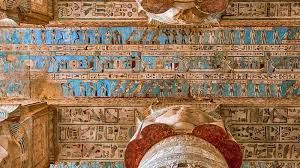
Art historians often describe QV66 as a visual poem of love and immortality. Its artistic techniques influenced other royal tombs, including the Tomb of Ramses VI and various chambers in the Dandara Temple. The rich iconography and symbolic color use make it a cornerstone of Egyptian cultural heritage, bridging the gap between art and spirituality.
Exploring the Tomb: A Visitor’s Experience
Visiting the Tomb of Nefertari is a once-in-a-lifetime experience that immerses travelers in ancient elegance. The entrance, carved into the limestone cliffs, leads visitors down a staircase into the queen’s world of color and mythology. The silence within amplifies the magnitude of the art—a sacred atmosphere that seems to whisper tales of eternity.
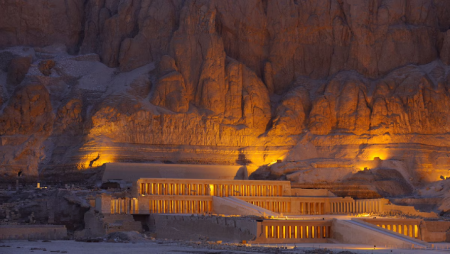
Because of its fragility, the tomb has restricted visitor numbers daily. However, travelers exploring Egypt Travel Packages or tailored Egypt Luxury Tours often include this rare visit. The experience is particularly mesmerizing when combined with nearby sites such as the Temple of Hatshepsut and Colossi of Memnon. Together, they offer a complete panorama of Egypt’s golden age—where architecture, faith, and love fused into eternity.
Preservation and Modern Technology
Advanced technology now plays a crucial role in protecting the Tomb of Nefertari. Digital mapping, 3D scanning, and humidity control have been implemented to maintain its pristine condition. Virtual tours also allow global audiences to admire the tomb without physical intrusion. These innovations reflect Egypt’s growing commitment to sustainable tourism and heritage preservation.
Thanks to these efforts, the tomb continues to enchant visitors while safeguarding one of the most exquisite examples of ancient artistry. The harmony between technology and tradition ensures that Nefertari’s legacy endures—not as a relic of the past but as a living symbol of eternal beauty.
FAQs About the Tomb of Nefertari
1. Who was Queen Nefertari?
Queen Nefertari was the Great Royal Wife of Pharaoh Ramses II. Celebrated for her intelligence, diplomacy, and beauty, she played a vital role in Egyptian politics and religion during the 13th century BCE. Her tomb, one of the most elaborate in the Valley of the Queens, immortalizes her divine status and deep connection with Ramses II.
2. Where is the Tomb of Nefertari located?
The Tomb of Nefertari is situated in the Valley of the Queens on the west bank of the Nile near Luxor, Egypt. It lies close to other royal burial sites and temples, forming part of the grand necropolis that once served Egypt’s New Kingdom elite.
3. Why is the Tomb of Nefertari so famous?
It’s famous for its unparalleled artwork, vibrant colors, and perfect preservation. The tomb’s frescoes depict Nefertari’s journey through the afterlife, showcasing ancient Egyptian artistry at its peak. Its beauty has earned it the nickname “the Sistine Chapel of ancient Egypt.”
4. Can tourists visit the Tomb of Nefertari today?
Yes, but access is limited to protect its fragile artwork. Only a small number of visitors are allowed daily, often as part of exclusive guided tours. These tours are typically arranged through premium Egypt Vacations Packages or special cultural itineraries.
5. What’s the best way to explore the Tomb of Nefertari?
The best approach is with an expert Egyptologist guide through organized Egypt Desert Tours or personalized Luxor day trips. Pairing the visit with other nearby temples enhances the historical context and enriches the overall experience of ancient Egypt’s royal heritage.








Our Partners
Our Awesome Partners