
Temple of Khnum
Temple of Khnum: The Hidden Gem of Esna's Ancient Egyptian Heritage
The Temple of Khnum, nestled in the heart of Esna, stands as one of the most awe-inspiring yet underappreciated sanctuaries of ancient Egyptian civilization. Dedicated to Khnum, the ram-headed creator god believed to have fashioned humanity on his potter’s wheel, this temple carries immense spiritual, architectural, and historical value. Travelers who crave a deeper connection to Egypt’s mystical past find themselves captivated by its intricate carvings, towering columns, and vibrant reliefs that have survived for millennia beneath layers of sand and time.
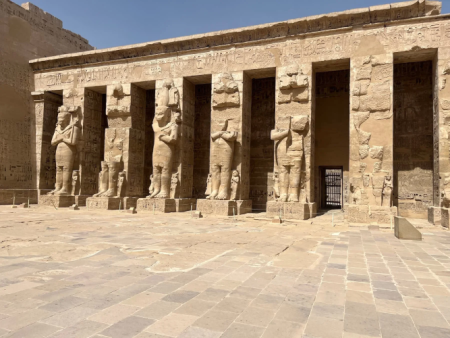
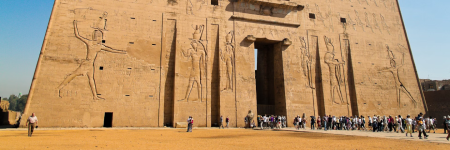
Unlike massive temples such as Karnak Temple or Luxor Temple, the Temple of Khnum possesses an intimate charm. It lies about 55 kilometers south of Luxor, in the quiet town of Esna, once known as Latopolis. This sacred site invites visitors to experience Egypt beyond the typical tourist trails, often explored during Egypt Nile Cruises that journey along the timeless river. The temple’s beauty resonates through its hypnotic columns, each decorated with detailed lotus and papyrus capitals symbolizing life and divine rebirth. Today, it remains a living testament to Egypt’s religious devotion and artistic mastery.
Historical Background of the Temple of Khnum
The foundation of the Temple of Khnum dates back to the reign of Ptolemy VI in the 2nd century BCE, although earlier sanctuaries dedicated to Khnum stood on the site during the New Kingdom. The structure we admire today was expanded and adorned by successive rulers from the Ptolemaic and Roman periods. Emperors such as Claudius and Vespasian left their marks through inscriptions and reliefs, demonstrating the continuation of Egyptian religious traditions under foreign rule. These artistic layers reflect a fascinating blend of Greek, Roman, and Egyptian iconography, embodying Egypt’s adaptability and cultural endurance.
Khnum’s association with the Nile’s inundation made Esna a vital center for rituals celebrating fertility, abundance, and creation. The temple thus symbolized the eternal relationship between the people, the river, and their gods. The local deities Neith and Heka also found veneration within the complex, creating a divine triad that underscored Esna’s religious importance. For centuries, the Temple of Khnum served as both a sanctuary and a hub for agricultural blessings, ensuring the cycle of life continued uninterrupted along the fertile Nile banks.
Architectural Marvels: Columns and Reliefs of the Temple of Khnum
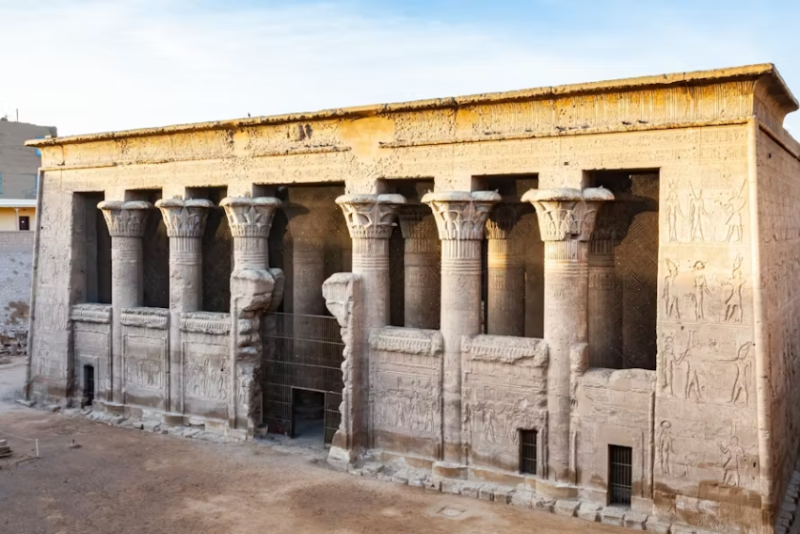
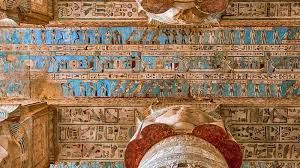
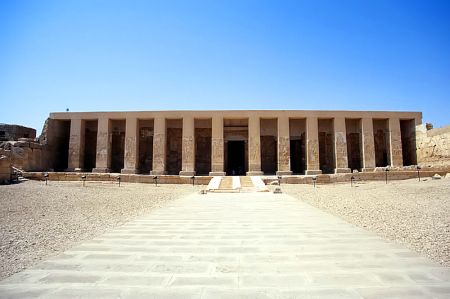
The Temple of Khnum dazzles visitors with its hypostyle hall, supported by 24 massive columns soaring over 13 meters high. Each column is uniquely decorated, a rare feature in Egyptian architecture, showcasing different floral motifs and hieroglyphic inscriptions. As one gazes upward, the ceiling reveals celestial imagery painted in vibrant blues and golds, depicting astronomical deities and constellations. These murals mirrored the heavens, transforming the temple into an earthly reflection of the cosmos.
Excavations revealed that the temple was buried under centuries of silt and urban debris before being rediscovered in the 19th century. The meticulous restoration has unveiled detailed reliefs depicting pharaohs offering sacrifices to Khnum and other gods, along with inscriptions narrating the sacred rituals once performed here. This deep connection between architecture and spirituality continues to mesmerize modern travelers seeking authentic encounters with ancient Egypt. Many visitors combine a visit here with tours to nearby wonders such as the Temple of Philae or the grand Valley of the Kings, immersing themselves in Egypt’s sacred architectural heritage.
Symbolism and Religious Significance of Khnum
Khnum, one of Egypt’s oldest deities, embodied creation and renewal. Depicted with a ram’s head, he was believed to craft human beings and gods alike from clay, shaping life upon his potter’s wheel. Within the Temple of Khnum, this myth came alive through vivid carvings illustrating the creative act, affirming the divine origin of humankind. The temple’s rituals honored Khnum as the god who controlled the Nile’s floodwaters, essential for sustaining Egypt’s agriculture and prosperity. The rhythmic ebb and flow of the river were seen as his breath, infusing life into the land.
The Esna temple also served as a space for the worship of Neith, goddess of wisdom and war, and Heka, the god of magic. Together, they represented the harmony of creation, intellect, and spiritual energy. The synergy between these deities highlighted the Egyptian worldview where religion, nature, and daily life intertwined seamlessly. Visitors who step into the temple today can still sense the spiritual energy that once filled its chambers, echoing through every carved wall and polished stone.
Rediscovery and Preservation Efforts of the Temple of Khnum
During the 19th century, French Egyptologist Auguste Mariette spearheaded the excavation of the Temple of Khnum, uncovering it from layers of mud and debris deposited by successive floods. Modern restoration projects have since preserved its intricate columns and colorful reliefs. In recent decades, conservationists have employed advanced cleaning techniques that revealed original pigments beneath centuries of soot and grime. The transformation was nothing short of breathtaking—the ceiling’s astronomical scenes now shine with renewed vibrance, offering a rare glimpse into ancient Egyptian cosmology.
Ongoing preservation ensures that the temple remains accessible for future generations, inviting scholars, travelers, and photographers alike to appreciate its grandeur. As part of many Egypt Travel Packages, Esna’s Temple of Khnum has become a must-see destination for those fascinated by ancient art and architecture. It’s a living museum, whispering stories of gods, kings, and a civilization that never ceases to inspire awe.
Experiencing the Temple of Khnum Today
Visiting the Temple of Khnum offers an unforgettable journey into the heart of ancient Egypt. Sunlight filters through the massive stone columns, casting enchanting patterns across hieroglyph-covered walls. The cool interior provides a tranquil retreat from the desert heat, while the rhythmic songs of local guides breathe life into the myths of Khnum and Esna’s divine heritage. Many itineraries, including Egypt Luxury Tours and Best Nile River Cruises, include a stop at Esna, where visitors can witness the ongoing restoration and marvel at the temple’s remarkable state of preservation.
Beyond the temple itself, Esna retains a charming authenticity. Local markets hum with life, offering handmade crafts and aromatic spices, while the slow-paced rhythm of the town contrasts with the bustling energy of Cairo city. From here, travelers can easily access other Upper Egyptian treasures, including Temple of Hatshepsut and Dandara Temple, making Esna a strategic stop for anyone exploring the country’s sacred geography.
Artistic Highlights and Inscriptions at the Temple of Khnum
Every inch of the Temple of Khnum bursts with artistic expression. The reliefs depict pharaohs paying homage to deities, hieroglyphic texts detailing offerings, and mythical scenes symbolizing cosmic order. Particularly fascinating is the representation of Roman emperors adopting Egyptian dress and performing rituals, a visual testament to Egypt’s lasting influence on its conquerors. The artistry underscores the temple’s role as both a religious and political stage—a place where divine legitimacy merged with royal authority.
Among the inscriptions, scholars have found valuable references to astronomical observations and agricultural cycles, further highlighting the temple’s connection to both heaven and earth. The mastery of stone carving, combined with symbolic color use, reveals ancient Egypt’s spiritual sophistication and artistic genius. For modern travelers, standing before these masterworks evokes a sense of timeless wonder, making the Temple of Khnum a highlight of any Egypt Excursions itinerary.
Practical Travel Tips for Visiting the Temple of Khnum
Reaching Esna is straightforward, especially for those traveling from Luxor or Aswan. Visitors can reach it by car or as part of organized tours that trace the Nile’s route. Arriving early in the morning offers the best lighting conditions to photograph the reliefs without crowds. Comfortable attire, a hat, and plenty of water are must-haves. Since Esna is often included in Egypt Vacations Packages, travelers can easily coordinate their visit with other historical attractions to create an unforgettable cultural journey through Upper Egypt.
Frequently Asked Questions about the Temple of Khnum
Where is the Temple of Khnum located?
The Temple of Khnum is located in the city of Esna, approximately 55 kilometers south of Luxor in Upper Egypt. It lies on the west bank of the Nile River, making it a convenient stop for tourists traveling between Luxor and Aswan.
Who was Khnum in ancient Egyptian mythology?
Khnum was the ram-headed god of creation, fertility, and the Nile’s inundation. He was believed to shape human beings and deities from clay on his potter’s wheel, symbolizing the divine act of creation and renewal essential to Egyptian cosmology.
What makes the Temple of Khnum unique?
Unlike other massive temples, the Temple of Khnum features 24 uniquely decorated columns, each with distinct floral designs. Its ceiling contains well-preserved astronomical scenes and vibrant hieroglyphs, offering one of the best examples of late Egyptian temple art.
When was the Temple of Khnum rediscovered?
The temple was rediscovered and excavated in the mid-19th century by French archaeologist Auguste Mariette. It had been buried beneath layers of silt and debris for centuries, which ironically helped preserve its carvings and painted surfaces.
Can visitors enter the Temple of Khnum today?
Yes, visitors can explore the Temple of Khnum as part of guided tours or independent visits. The temple remains open to the public, and restoration efforts have made it one of the most photogenic and educational archaeological sites in Esna.








Our Partners
Our Awesome Partners