
cleopatra spring
Cleopatra Spring: The Timeless Oasis of Siwa’s Desert Paradise
Hidden deep in the mystical heart of Egypt’s Western Desert lies Cleopatra Spring, a natural wonder that has enchanted travelers for centuries. Also known as Cleopatra’s Bath, this crystal-clear pool bubbles with life and legend, nestled amid olive groves and palm trees of the serene Siwa Oasis. Its shimmering turquoise waters are fed by an underground natural spring, offering a refreshing escape from the desert’s relentless sun. The spring is not just a scenic spot but a living piece of history tied to Egypt’s most iconic queen, Cleopatra VII, whose beauty and charisma continue to captivate the world.
For those seeking authentic, off-the-beaten-path destinations, Cleopatra Spring is a gem that embodies Egypt’s ancient allure and natural wonder. Visitors can dive into its cool waters, sip mint tea at the nearby cafés, and soak in the tranquil desert energy that surrounds Siwa. The oasis, located about 50 kilometers east of the Libyan border and 560 kilometers from Cairo city, is one of Egypt’s most isolated yet spiritually rich regions. Here, time moves differently, and history whispers through the palms.
In this article, we’ll journey through the story, science, and cultural significance of Cleopatra Spring — exploring its legendary origins, healing properties, and why it remains a must-visit destination for anyone crafting their dream Egypt Travel Packages. From the myths of Cleopatra’s bathing rituals to the quiet charm of Siwa’s landscapes, every drop of water here tells a tale worth hearing.
The Mythical Origins of Cleopatra Spring in Siwa Oasis
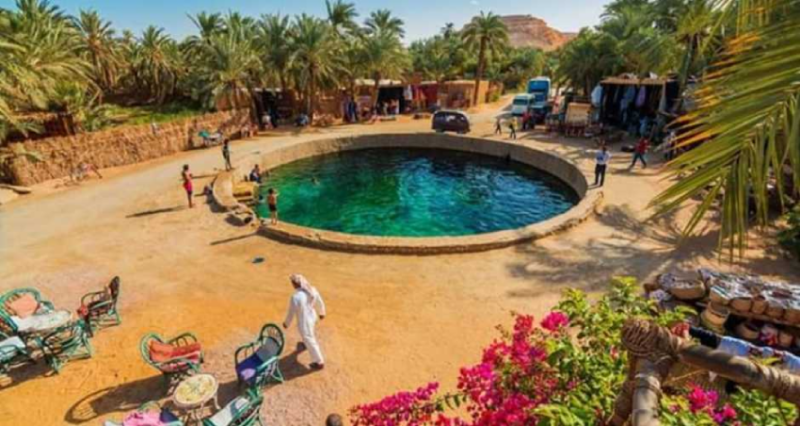
Legend has it that Cleopatra herself once bathed in these bubbling waters, making the spring an eternal symbol of beauty and rejuvenation. Though historians debate whether the queen ever set foot in Siwa, the powerful legend has endured through time, merging myth with reality. The spring’s circular stone pool, surrounded by palm trees and rustic huts, creates an atmosphere that feels almost sacred. Locals call it “Ain al Hammam Cleopatra,” and generations have cherished it as a communal gathering place and a source of life in the desert.
Siwa has long been a site of divine significance. It’s home to the Oracle of Amun, where ancient pharaohs once sought guidance from the gods. Cleopatra Spring’s legendary allure may also stem from this divine connection — a sacred site where natural beauty meets spiritual power. Travelers visiting the oasis often find themselves drawn to this spot, not only for a refreshing dip but for the profound sense of tranquility it offers.
Cleopatra’s Connection to the Desert Oasis
In ancient Egypt, water symbolized rebirth and purity, and no place embodied these qualities like Cleopatra Spring. The queen’s association with the spring mirrors her renowned fascination with luxury, self-care, and natural beauty. Whether myth or truth, the idea of Cleopatra finding solace in these waters adds a romantic dimension to Siwa’s mystique. This connection continues to inspire modern visitors seeking a blend of history, nature, and serenity in their journeys across the Sahara’s edge.
The Natural Beauty and Healing Waters of Cleopatra Spring
Beyond its legendary fame, Cleopatra Spring stands out for its geological marvel. The water, sourced from an underground aquifer, maintains a constant temperature year-round, around 29°C (84°F). It’s rich in minerals that locals believe have healing properties for the skin and body. The bubbling surface, caused by continuous underground pressure, ensures the water remains fresh and pure — perfect for swimming or simply soaking tired feet after exploring Siwa’s sandy paths.
Surrounding the spring are small cafés, palm-shaded seating areas, and local vendors selling handmade crafts and Siwan dates. It’s a lively yet peaceful hub where locals and travelers mingle, sharing stories and sipping sweet tea. Many tourists include Cleopatra Spring in their Egypt Excursions, often combining it with visits to other nearby attractions like the Mountain of the Dead and the ancient Shali Castle.
Geological Formation and Ecology
The spring’s source lies deep beneath the earth’s crust, where rainwater from ancient epochs is trapped in limestone layers. Over thousands of years, natural pressure forces this water upward, creating artesian wells like Cleopatra Spring. The surrounding date palms and olive groves owe their lushness to this life-giving resource, which has sustained Siwa’s inhabitants for centuries. The combination of desert heat, mineral-rich water, and lush vegetation creates a microclimate that’s both rare and captivating.
Best Time to Visit Cleopatra Spring
The ideal time to visit Cleopatra Spring is between October and April when Siwa’s weather is pleasantly mild. During this period, swimmers can enjoy the warm, soothing water without the scorching summer heat. Early mornings and sunsets are particularly magical, as the desert light casts golden reflections across the water, creating a scene straight out of an ancient dream.
Experiencing Cleopatra Spring: Culture, Relaxation, and Adventure
Visiting Cleopatra Spring isn’t just about swimming—it’s a full sensory experience. The scent of palm leaves, the sound of bubbling water, and the sight of golden dunes stretching to the horizon all combine to create a tranquil escape from modern chaos. For travelers seeking authenticity, Siwa’s simplicity is profoundly hypnotic. It’s a place where sustainability meets tradition, where every drop of water and every grain of sand tells a story.
Some visitors pair their trip to Cleopatra Spring with adventurous Egypt Desert Tours across the Great Sand Sea. Others prefer to enjoy a gentle bike ride through the oasis, passing fields, mud-brick houses, and salt lakes. Whether for wellness, photography, or pure relaxation, Cleopatra Spring offers something for everyone.
Local Hospitality and Siwan Culture
Siwans are known for their warm hospitality and strong cultural identity, which blends ancient Egyptian heritage with Berber traditions. Around Cleopatra Spring, local cafés serve herbal teas, fresh juices, and traditional dishes. Artisans sell silver jewelry and woven baskets, preserving crafts passed down for generations. Visitors who wish to learn more about Siwan traditions often combine their visit with a trip to nearby Dakrour Mountain Siwa, known for its mud baths and desert festivals.
Photography and Scenic Beauty
Cleopatra Spring is a dream for photographers. The play of light on the water, the contrast between the spring’s vivid turquoise and the golden desert, and the timeless charm of its setting make it one of the top Instagram spots in Egypt. Whether you’re capturing a sunrise reflection or a candid shot of a local child diving into the pool, every frame tells a story of nature’s harmony.
Why Cleopatra Spring Is a Must-Visit for Eco and Wellness Travelers
In a world racing toward modernity, Cleopatra Spring remains a testament to balance — between nature and humanity, myth and reality. Eco-conscious travelers appreciate how Siwa Oasis has preserved its environment through centuries of sustainable living. The spring’s natural filtration system ensures no chemicals or artificial influences disturb its purity. It’s an oasis of wellness, both physically and spiritually.
Wellness seekers often include Cleopatra Spring in holistic travel itineraries that blend meditation, yoga, and spa treatments inspired by ancient Egyptian rituals. Combined with Siwa’s salt lakes and desert silence, it becomes a rejuvenating sanctuary unlike any other in Egypt.
Cleopatra Spring and Modern Tourism
As tourism grows, preserving the authenticity of Cleopatra Spring has become crucial. Local authorities and eco-organizations work to maintain its clarity and natural surroundings. Responsible travel is encouraged—bringing only footprints, taking only memories. Many Egypt Vacations Packages now include sustainable Siwa tours to support local communities while offering visitors a deeper cultural experience.
Nearby Attractions: Expanding Your Siwa Itinerary
After a refreshing dip in Cleopatra Spring, visitors can explore other Siwan treasures. The Temple of Umm Ubayd offers glimpses into ancient worship practices, while Siwa’s salt lakes dazzle with their mirror-like beauty. Adventurous travelers can head into the dunes of the Great Sand Sea for sandboarding or a 4x4 desert safari. Each site complements Cleopatra Spring’s charm, creating a well-rounded and unforgettable desert journey.
Frequently Asked Questions About Cleopatra Spring
What is Cleopatra Spring?
Cleopatra Spring, also called Cleopatra’s Bath, is a natural hot spring located in Siwa Oasis, Egypt. It’s famous for its crystal-clear mineral water, constant temperature, and connection to the legendary Queen Cleopatra. The spring is a popular spot for swimming, relaxing, and experiencing local culture.
Where is Cleopatra Spring located?
Cleopatra Spring lies in the Siwa Oasis, about 4 kilometers east of Siwa Town and roughly 560 kilometers from Cairo. It’s near several key attractions, including the Oracle of Amun and Shali Fortress. The oasis itself is in Egypt’s Western Desert, close to the Libyan border.
Can you swim in Cleopatra Spring?
Yes, visitors can swim freely in Cleopatra Spring. The water remains naturally warm and clean thanks to its constant bubbling from underground sources. Swimmers often praise its refreshing quality and the serene surroundings of palm groves and sandy landscapes.
When is the best time to visit Cleopatra Spring?
The best time to visit Cleopatra Spring is between October and April, when daytime temperatures are comfortable. During summer, the desert heat can be intense, but early mornings and evenings still offer pleasant experiences.
How do I get to Cleopatra Spring?
Travelers can reach Cleopatra Spring via Marsa Matruh or Alexandria by bus or private vehicle. From Siwa Town, the spring is easily accessible by bicycle or tuk-tuk. Many organized tours include it in their itineraries, especially those focusing on desert and oasis exploration within Egypt Nile Cruises or adventure packages.



Our Partners
Our Awesome Partners