
The Currency of Egypt – Understanding the Egyptian Pound and Its Economic Importance
Egypt, a country known for its timeless history, the Great Pyramids of Giza, and the majestic Nile River, also boasts a rich financial story that reflects its evolving identity. The official currency of Egypt, the Egyptian Pound, locally known as the ‘Geneh Masri’, plays a vital role in the nation’s economy, tourism, and daily life. From bustling markets in El Moez Street to high-end shops in Cairo, the Egyptian Pound (EGP) is the pulse of every transaction. Understanding the currency of Egypt isn’t merely about numbers; it’s a journey into the heart of modern Egyptian culture and its connection to global economics.
Travelers considering exciting Egypt Travel Packages often wonder how to handle money during their stay. Whether they’re exploring ancient temples along the Egypt Nile Cruises, visiting the grand Grand Egyptian Museum, or shopping for unique souvenirs in Khan al-Khalili Cairo, a clear understanding of the Egyptian Pound helps make their travel smoother and more enjoyable. The Egyptian currency has a fascinating historical evolution, deeply intertwined with Egypt’s colonial past and modern economic reforms. In this article, we’ll explore everything from the origins and structure of the Egyptian Pound to exchange rates, currency symbols, and practical travel tips for using it effectively.
Historical Evolution of the Egyptian Pound
The currency of Egypt, the Egyptian Pound, was officially introduced in 1834 during the reign of Muhammad Ali Pasha, marking a turning point in the nation’s financial history. Before the Pound, Egypt’s economy relied on the Ottoman piastre, a complex system of gold and silver coins. When the Egyptian Pound replaced it, Egypt began aligning with a more modern monetary structure, inspired by European economic models. The term ‘Geneh’ derives from the English word ‘Guinea’, once used to represent a gold coin in Britain. This linguistic influence highlights how Egypt’s financial system integrated both local traditions and foreign impact. Over centuries, the Pound transitioned from being backed by precious metals to becoming a fiat currency under the Central Bank of Egypt.
During the British occupation, the Egyptian Pound was pegged to the British Pound Sterling, providing monetary stability but limiting independence. After gaining full sovereignty, Egypt’s government sought more control over its currency. Hence, in 1962, the Pound was devalued, moving away from the gold standard. This period saw the gradual modernization of the Egyptian financial sector, leading to the floating exchange rate systems seen today. Each era of Egypt’s history—from the Pharaonic age to its modern republic—reflects the resilience and adaptability of the Egyptian people, and the same spirit is mirrored in the story of their national currency.
Structure and Denominations of the Egyptian Currency
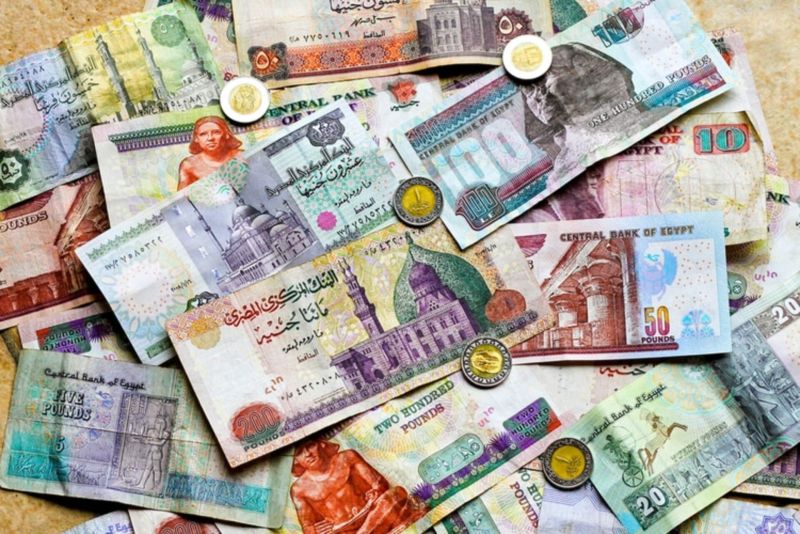
The Egyptian Pound (EGP) is divided into 100 piastres (qirsh or ersh in Arabic). Coins and banknotes coexist across various denominations, making it convenient for both locals and tourists. Coins typically come in values of 25, 50 piastres, and 1 Pound, featuring iconic Egyptian monuments such as the Mosque of Muhammad Ali or the Sphinx Statue. Meanwhile, banknotes range from 1 Pound to 200 Pounds, each adorned with Islamic architecture on one side and Pharaonic designs on the other. This dual design emphasizes Egypt’s dual heritage—a blend of ancient civilization and Islamic artistry.
Visitors will find that while smaller coins are commonly used in local markets, higher denominations are preferred for larger purchases, especially in tourist zones like Luxor City or Aswan City. The Central Bank of Egypt has also introduced polymer banknotes for durability, beginning with the 10 and 20 Pound notes. These new notes symbolize modernization and environmental consciousness, aligning with Egypt’s vision of sustainable economic progress.
Exchange Rate and International Value of the Egyptian Pound
When discussing what the currency of Egypt is worth, it’s essential to realize that exchange rates fluctuate based on global market conditions. The Egyptian Pound operates on a managed floating system, meaning the Central Bank intervenes to stabilize significant volatility. Historically, the EGP has experienced devaluations, especially during periods of economic adjustment or global crises. Tourists can exchange major currencies like USD, EUR, or GBP at banks, airports, and authorized exchange offices. Digital payments and ATMs are widely available, though carrying some cash remains practical, especially in rural areas or during desert safaris like Egypt Desert Tours.
For travelers, understanding the real-time exchange rate helps in budgeting accurately for activities such as visiting temples, dining, or tipping. While the currency may not be the strongest globally, its stability within domestic markets supports local purchasing power and economic confidence. The Egyptian government continues working on monetary reforms to enhance transparency and attract foreign investment, which positively influences the Pound’s long-term prospects.
Symbol and ISO Code: EGP Explained
The international symbol for the Egyptian Pound is E£, while its ISO code is EGP. In Arabic, it’s represented as ‘ج.م’. This code is crucial for financial transactions, currency conversion, and international banking. When making online bookings for attractions such as Egypt Excursions or luxury experiences like Egypt Luxury Tours, the EGP code ensures smooth processing across global payment systems. Understanding these abbreviations prevents confusion, particularly when comparing rates across multiple travel platforms.
How to Handle Money When Traveling in Egypt
Tourists often find Egypt’s cash-based culture fascinating. While urban centers support card payments, many local vendors still prefer cash, particularly for small purchases. It’s wise to keep smaller denominations handy for tipping, taxi fares, or street food. Currency exchange counters are easily found in airports, banks, and hotels. However, using ATMs provides the most reliable exchange rate. Always check that banknotes are clean and intact, as damaged notes may not be accepted in some shops.
Local markets such as Khan al-Khalili in Cairo are great places to practice bargaining—a deeply rooted Egyptian tradition. While negotiating prices, having a good grasp of Egyptian currency values can save travelers a significant amount. Moreover, understanding the tipping culture, detailed in guides like Tipping in Egypt, helps visitors maintain courteous interactions with service staff.
Economic Significance of the Egyptian Pound
The Egyptian Pound isn’t just a medium of exchange—it’s a reflection of Egypt’s economic resilience. Over the years, Egypt has undergone numerous monetary reforms to combat inflation, stabilize foreign reserves, and enhance investment confidence. The Central Bank of Egypt continually adjusts interest rates to maintain stability. The currency’s performance directly influences sectors like tourism, import-export balance, and national debt management.
Egypt’s government also prioritizes attracting tourism revenue, which contributes billions annually in foreign exchange. Every Egyptian Pound spent in markets, museums, or hotels supports local livelihoods. Whether you’re exploring the Temple of Philae or cruising down the Nile, every transaction ties back to this dynamic monetary system that sustains the Egyptian economy.
Modern Trends and Future Outlook
With global digitization, Egypt is transitioning toward electronic payments and mobile banking. The government has launched initiatives promoting financial inclusion, aiming to reduce dependence on cash. Digital wallets, contactless payments, and government-backed apps now allow Egyptians and tourists alike to transact easily. This modernization strengthens the Egyptian Pound’s credibility, ensuring it remains adaptable in an ever-changing financial environment.
Additionally, the introduction of polymer banknotes highlights a forward-thinking approach to sustainable currency production. Over the next decade, experts predict that the EGP will benefit from continued economic reforms, international partnerships, and growing tourism. These developments promise a robust future for Egypt’s economy and its iconic currency.
Frequently Asked Questions About the Currency of Egypt
1. What is the official currency of Egypt?
The official currency of Egypt is the Egyptian Pound, symbolized as E£ and coded internationally as EGP. It’s divided into 100 piastres and issued by the Central Bank of Egypt. The Pound remains the sole legal tender throughout the country.
2. Can I use US dollars or euros in Egypt?
While major hotels and some tourist areas accept US dollars or euros, it’s best to use the Egyptian Pound for everyday purchases. Exchanging money at official exchange offices or ATMs ensures fair rates and prevents counterfeit issues.
3. Are credit cards widely accepted in Egypt?
Yes, most hotels, restaurants, and major stores accept credit cards like Visa and Mastercard. However, street vendors, taxis, and local markets prefer cash, so carrying small denominations of EGP is advisable, especially outside urban centers.
4. Where can I exchange foreign currency in Egypt?
Travelers can exchange money at banks, hotels, and airport exchange counters. ATMs are also widely available and typically offer the best exchange rate. Always use official channels to avoid scams.
5. How stable is the Egyptian Pound?
The Egyptian Pound has seen fluctuations due to economic reforms and global market conditions. However, the Central Bank of Egypt actively manages monetary policies to maintain stability, ensuring a secure environment for both locals and visitors.
Conclusion
Understanding what the currency of Egypt is—and how it works—unlocks a smoother travel experience and deeper insight into the culture. The Egyptian Pound embodies the nation’s enduring spirit, balancing heritage with modern innovation. As Egypt continues to modernize its economy and expand its tourism industry, the Pound remains a symbol of pride and progress. Whether you’re exploring ancient temples, enjoying Egypt Vacation Packages, or cruising down the Nile, every Egyptian Pound spent contributes to the story of a nation that bridges ancient wonders with modern vibrancy.