

Temple of Philae
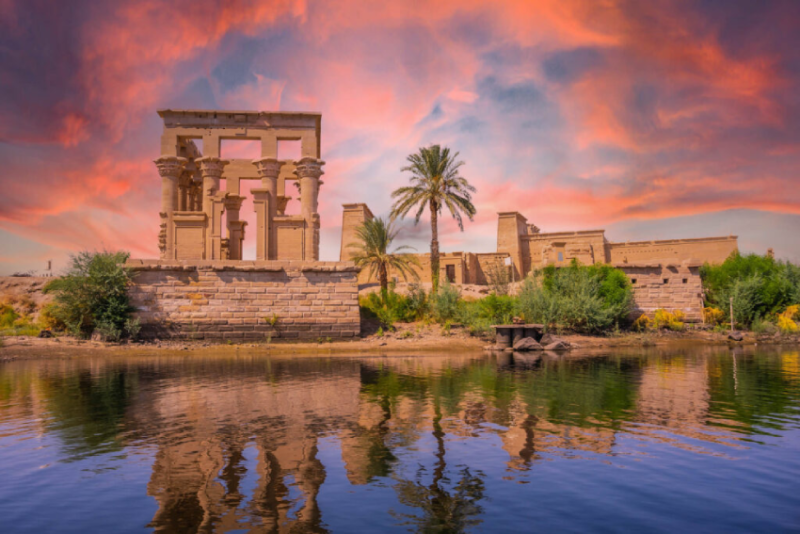
Temple of Philae – The Sacred Island of Isis and the Jewel of Aswan
The Temple of Philae is one of Egypt's most enchanting monuments, a masterpiece of ancient architecture and spiritual devotion that bridges the worlds of myth and history. Nestled gracefully on Agilkia Island near Aswan City, this temple complex is dedicated to Isis, the goddess of magic, motherhood, and love. With its intricately carved hieroglyphs, harmonious columns, and serene location on the Nile, the Temple of Philae symbolizes both the artistic craftsmanship and the resilient faith of ancient Egypt. Once located on Philae Island, the temple was painstakingly relocated in the 1960s to Agilkia Island to save it from the rising waters caused by the construction of the High Dam of Egypt. This relocation remains one of the most remarkable feats of modern archaeological preservation.
As travelers glide across the Nile’s shimmering surface to reach the temple, it feels as if time itself slows down. The rhythmic sound of the oars, the soft breeze carrying whispers of ancient prayers, and the sight of towering pylons coming into view create a mystical anticipation. Whether you're a history enthusiast, spiritual seeker, or passionate photographer, visiting the Temple of Philae delivers an immersive experience that connects you with the essence of ancient Egyptian civilization. It’s no surprise that this sanctuary is often featured among the highlights of Egypt Nile Cruises and is considered one of the must-see sites in any comprehensive Egypt travel package.
The Legendary History of the Temple of Philae
The Temple of Philae’s history spans millennia, weaving together layers of myth, religion, and politics. It was primarily built during the Ptolemaic period, between the 3rd century BC and the Roman era. However, its sacred use dates back to much earlier times when Philae Island was considered one of the burial places of Osiris, the god of the afterlife. The temple’s dedication to Isis made it one of the most important religious centers in ancient Egypt, drawing pilgrims from across the kingdom.
Under the Ptolemies, Philae flourished as a hub of devotion. The rulers, of Greek descent, embraced Egyptian religious traditions to legitimize their rule. They expanded the existing structures, adding magnificent reliefs depicting pharaohs and gods in harmonious unity. Even after the Roman conquest, emperors such as Augustus and Tiberius continued to venerate Isis, allowing the temple’s rituals to persist longer than those of most other pagan shrines.
Remarkably, the worship at Philae continued until the 6th century AD, long after the rise of Christianity, making it one of the last active sanctuaries of the ancient Egyptian faith. When Emperor Justinian finally ordered its closure, it marked the symbolic end of a spiritual era that had lasted for over three thousand years.
Relocation and Preservation of the Temple of Philae
Modern history granted Philae a second life. With the completion of the Aswan High Dam in 1970, the original island of Philae was submerged under the rising waters of Lake Nasser in Africa. To rescue the temple from destruction, UNESCO launched a colossal international campaign between 1972 and 1980. The temple was dismantled block by block—over 40,000 pieces—and meticulously reassembled on Agilkia Island, a site carefully chosen to mirror Philae’s original setting. This engineering triumph preserved not only the temple’s stones but also its spiritual resonance and visual harmony with the surrounding Nile landscape.
Today, visitors can witness this incredible preservation effort firsthand. The relocation project stands as a testament to global cooperation and reverence for cultural heritage, ensuring that the legacy of Philae continues to inspire future generations.
The Architecture and Design of the Temple of Philae
The architectural design of the Temple of Philae is a symphony of elegance and symbolism. The main temple complex features grand pylons adorned with exquisite reliefs of Isis, Horus, and Osiris. As you pass through the monumental gateways, the walls unfold like pages of a sacred book, illustrating scenes of divine offerings, coronations, and celestial encounters. The inner sanctum, or Holy of Holies, housed the statue of Isis, which devotees believed possessed miraculous powers of healing and fertility.
Beyond the main sanctuary, the temple complex includes smaller chapels and shrines dedicated to deities such as Hathor and Harendotes. The birth house, or mammisi, celebrates the divine birth of Horus, linking the temple’s spiritual purpose to themes of renewal and resurrection. The decorative motifs—papyrus columns, lotus capitals, and winged sun disks—reflect Egypt’s eternal connection with nature and the cosmos.
When illuminated by golden sunlight or bathed in moonlight during the temple’s magical sound and light show, Philae transforms into a living chronicle of ancient art and devotion. The combination of sophisticated engineering and spiritual artistry makes it a true gem among Egypt’s monumental heritage.
Religious Symbolism and Mythology at Philae
The Temple of Philae embodies the myth of Isis and Osiris, one of Egypt’s most enduring legends. According to the myth, Isis resurrected her husband Osiris after he was slain by his jealous brother Set, conceiving their son Horus in the process. This story of love, sacrifice, and rebirth became central to Egyptian spirituality. The temple’s walls vividly narrate this cosmic drama, serving as visual sermons on resilience, justice, and divine motherhood. Visitors often draw parallels between the temple’s sacred energy and the eternal currents of the Nile flowing nearby, linking life, death, and renewal in perfect harmony.
Philae’s Role in Ancient and Modern Tourism
Since its rediscovery by early European explorers, the Temple of Philae has captivated travelers and scholars alike. In the 19th century, it became a highlight for adventurers navigating the Nile, its submerged ruins romanticized in paintings and literature. Today, it remains a crown jewel in Egypt’s tourism landscape, often included in deluxe Egypt Luxury Tours and cultural itineraries. Many visitors combine their trip with excursions to nearby landmarks such as the Abu Simbel Temples, the Nubian Museum in Aswan, and the Nubian Village.
Visitors can access Philae by motorboat, offering panoramic views of the Nile’s serene waters dotted with granite boulders and lush vegetation. Each journey becomes a sensory adventure—a mesmerizing mix of history, myth, and natural beauty. The temple is not only a testament to ancient engineering but also a poetic reminder of Egypt’s ability to balance preservation with progress.
Best Time to Visit the Temple of Philae
The best time to explore the Temple of Philae is from October to April when the weather in Aswan is pleasantly mild. Sunrise and sunset visits offer breathtaking photography opportunities, as soft light accentuates the temple’s carved reliefs and casts enchanting reflections on the Nile. Many travelers also attend the evening sound and light show, which reanimates the gods and kings who once walked these hallowed grounds, making history echo beneath the stars.
Travel Tips for Visiting Philae Temple
To make the most of your visit, arrive early to avoid crowds and bring comfortable walking shoes. Hiring a licensed guide enhances the experience, as they can unravel the temple’s complex symbolism and mythology in vivid detail. Combining your trip with other attractions in Aswan, such as the Unfinished Obelisk or Elephantine Island, enriches your understanding of Egypt’s southern treasures. Travelers often include Philae as part of broader Egypt excursions or private Nile itineraries tailored for cultural immersion.
The Enduring Legacy of the Temple of Philae
The Temple of Philae isn’t just an ancient monument—it’s a living testament to devotion, survival, and human creativity. From the myth of Isis to modern preservation efforts, Philae represents the eternal spirit of Egypt. Its presence continues to inspire artists, historians, and travelers alike. For anyone seeking to experience the heartbeat of ancient Egyptian civilization, this temple is more than a destination—it’s a revelation.
Frequently Asked Questions About the Temple of Philae
1. Where is the Temple of Philae located?
The Temple of Philae is situated on Agilkia Island near Aswan, in southern Egypt. Originally built on Philae Island, it was relocated in the 20th century to protect it from flooding caused by the Aswan High Dam. Visitors reach it by boat across the tranquil Nile River.
2. Who built the Temple of Philae?
The temple was primarily constructed during the reigns of Ptolemaic rulers such as Ptolemy II and Ptolemy XII, although later Roman emperors added to its structures. Its design reflects a blend of Greek, Roman, and Egyptian architectural influences, all devoted to the goddess Isis.
3. What is the significance of the Temple of Philae?
Dedicated to Isis, the Temple of Philae was among the last active sanctuaries of ancient Egyptian religion. It symbolizes love, motherhood, and the eternal struggle between good and evil, as depicted in the myth of Isis, Osiris, and Horus. Its continued preservation makes it a cornerstone of Egypt’s cultural identity.
4. How can tourists visit the Temple of Philae?
Tourists can reach the Temple of Philae by boat from Aswan’s marina. Many tours and Egypt vacation packages include Philae as part of their itineraries, often combined with visits to other temples or Nile cruises. Tickets can be purchased at the entrance, and visiting during early morning hours ensures a more peaceful experience.
5. What makes the Temple of Philae unique among Egyptian temples?
Unlike most temples, Philae stands on an island surrounded by water, creating a serene and mystical ambiance. Its successful relocation by UNESCO also distinguishes it as a symbol of preservation and global collaboration. The temple’s vivid reliefs, mythological significance, and stunning location make it one of Egypt’s most iconic landmarks.


Our Partners
Our Awesome Partners