
The Grand Egyptian Museum
The Grand Egyptian Museum: Egypt's Timeless Treasure House of Civilization
The Grand Egyptian Museum, often referred to as the GEM, stands as a monumental gateway to Egypt's glorious past and its vibrant present. Located just two kilometers from the the Great Pyramids of Giza, this architectural masterpiece merges modern innovation with ancient legacy. More than a museum, it’s a cultural epicenter, a global destination, and a living tribute to the genius of the ancient Egyptians. Designed to house the world’s most comprehensive collection of Egyptian antiquities, this project represents Egypt’s dedication to preserving its priceless heritage while embracing a new era of cultural tourism.
From its inception in the early 2000s, the Grand Egyptian Museum has captured the imagination of historians, archaeologists, and travelers worldwide. Its design, inspired by the geometry of the desert and the pyramidal landscape, reflects harmony between the old and the new. With over 480,000 square meters of space, it’s poised to become the largest archaeological museum in the world. The facility isn’t just about display—it’s an immersive journey through five millennia of history, told through state-of-the-art technology, dynamic exhibitions, and thoughtfully curated collections. The museum’s centerpiece is the full Tutankhamun collection, presented together for the first time since its discovery a century ago.
The Grand Egyptian Museum is more than Egypt’s crown jewel of archaeology; it’s a cornerstone of national pride and international collaboration. Visitors will experience a dynamic mix of art, science, and storytelling, where each gallery resonates with the echoes of pharaohs, artisans, and explorers. As Egypt continues to expand its tourism horizon through initiatives like Egypt Travel Packages and Egypt Nile Cruises, the GEM will undoubtedly serve as a beacon—drawing millions eager to witness the majesty of one of humanity’s most enduring civilizations.
Architectural Brilliance and Innovative Design
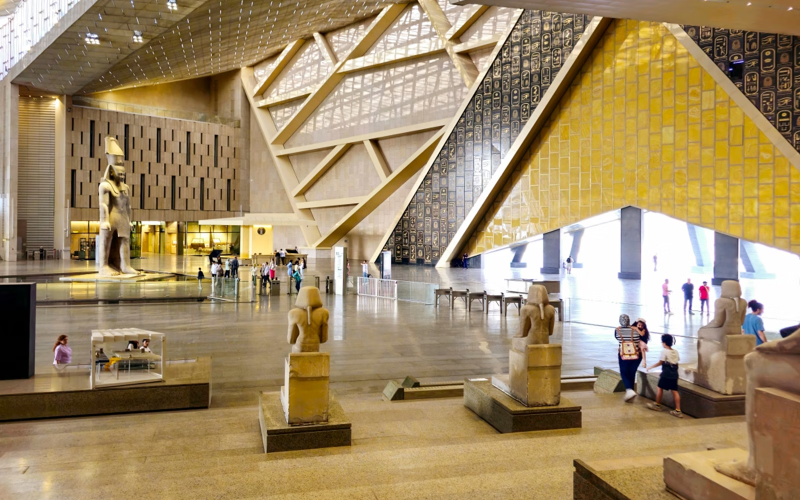
The Grand Egyptian Museum’s architecture is a marriage of symbolism and sustainability. Designed by the renowned Irish firm Heneghan Peng Architects, the structure takes the form of a translucent stone facade facing the pyramids. The triangular geometry mirrors the Giza Plateau’s iconic skyline, creating a visual dialogue between past and present. The layout invites visitors to embark on a chronological journey, from the prehistoric era to the Greco-Roman period, offering a seamless narrative of Egypt’s evolution.
The entrance lobby, dominated by the 11-meter colossal Statue of Ramses II, evokes awe. This masterpiece, transported meticulously from Ramses Square in Cairo, welcomes visitors with the grandeur of Egypt’s golden age. The museum’s halls are bathed in natural light, filtered through alabaster-like panels that embody the purity and timelessness of Egyptian stone craftsmanship. Throughout the museum, sustainability takes center stage, with advanced climate-control systems preserving fragile artifacts and eco-friendly materials integrated into the design.
The Tutankhamun Galleries: A Journey Through the Boy King's Legacy
One of the museum’s greatest attractions is the complete collection of Tutankhamun’s treasures—over 5,000 artifacts, many of which have never been displayed publicly before. Each exhibit tells a story of power, divinity, and artistic mastery. The iconic golden death mask, the gilded sarcophagi, jewelry, chariots, and everyday items from the young pharaoh’s tomb reveal the splendor of Egypt’s 18th Dynasty. This immersive gallery allows visitors to step into the world of ancient royalty, experiencing the rituals, beliefs, and artistry that shaped one of history’s most enigmatic rulers. To learn more about Tutankhamun’s enduring charm, explore the fascinating history of The king Tutankhamun's mask.
Integration of Technology and Storytelling
The Grand Egyptian Museum revolutionizes how history is experienced. Through augmented reality, interactive holograms, and 3D reconstructions, visitors can visualize ancient life in vivid detail. From virtual excavations to immersive dioramas depicting temple rituals, the museum combines cutting-edge technology with timeless storytelling. This digital engagement brings the ancient world to life, making history accessible to all generations. The use of AI-assisted restoration tools and digital documentation ensures each piece’s authenticity is safeguarded for future study.
Educational and Cultural Initiatives
Beyond its exhibitions, the GEM serves as a hub for learning and cultural engagement. Educational centers within the museum host workshops, lectures, and training programs for students, archaeologists, and art conservators. The museum collaborates closely with institutions such as the Egyptian Museum of Cairo and The National Museum of Egyptian Civilization to expand research networks. These partnerships strengthen Egypt’s global role in heritage preservation and archaeological innovation.
Visitor Experience and Museum Facilities
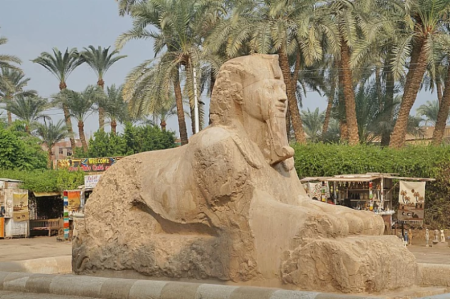
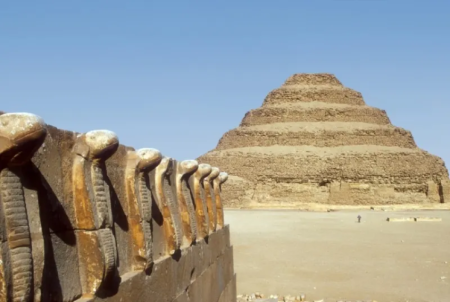
The Grand Egyptian Museum offers an unparalleled visitor experience. Its vast public spaces include cafes, shops, and a panoramic terrace overlooking Giza City and the pyramids. The museum grounds also feature botanical gardens inspired by ancient Egyptian flora, symbolizing rebirth and harmony. For tourists exploring beyond the museum, nearby attractions such as the Sphinx Statue, Sakkara Necropolis, and The Valley Temple offer complementary journeys into ancient Egypt’s mystique. Every element, from signage to soundscapes, has been designed to immerse visitors in a narrative that’s both emotional and enlightening.
The Role of the Grand Egyptian Museum in Egypt’s Cultural Renaissance
The GEM stands as a cornerstone in Egypt’s broader strategy to rejuvenate its tourism and cultural sectors. It aligns seamlessly with the country’s vision to position itself as a global heritage leader. By creating a central hub for Egyptology, the museum encourages international exhibitions, conferences, and collaborative excavations. This contributes to economic growth and reinforces Egypt’s soft power in the cultural domain.
Preservation Techniques and Conservation Laboratories
Within the museum lies one of the most advanced conservation centers in the world. Researchers utilize laser cleaning, X-ray fluorescence, and 3D scanning to restore and preserve ancient materials. The conservation facility’s laboratories specialize in metals, textiles, wood, papyrus, and organic remains. Artifacts unearthed from various sites, such as The Valley of the Kings and Karnak Temple, find new life through these meticulous restoration efforts. The GEM’s conservation division not only preserves the past but also trains future generations of Egyptian experts in global best practices.
Economic Impact and Tourism Growth
The museum’s influence extends far beyond its walls. It’s a key driver in Egypt’s tourism economy, expected to attract millions annually. The GEM complements major attractions like Cairo Day Tours and luxury travel experiences such as Egypt Luxury Tours. Tour operators now tailor itineraries that blend historical exploration with modern leisure, from the museum’s galleries to Best Nile River Cruises. This synergy amplifies Egypt’s reputation as a timeless destination for both cultural enthusiasts and luxury travelers.
Frequently Asked Questions About the Grand Egyptian Museum
When will the Grand Egyptian Museum officially open?
The Grand Egyptian Museum’s full opening has been anticipated for several years, with phased openings allowing limited access to select exhibitions. The complete inauguration is expected soon, marking a new chapter in Egypt’s cultural and tourism landscape.
Where is the Grand Egyptian Museum located?
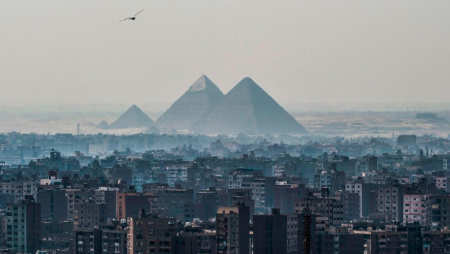
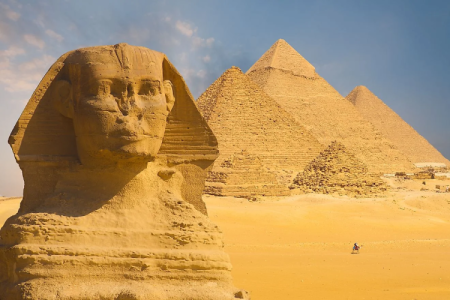
The museum is strategically situated on the Giza Plateau, only a short distance from the Great Pyramid and the Sphinx Statue. Its prime location offers breathtaking views and seamless integration with Egypt’s most iconic landmarks.
What are the main highlights of the Grand Egyptian Museum collection?
The museum showcases over 100,000 artifacts, including the entire Tutankhamun collection, colossal statues, royal mummies, temple reliefs, and everyday objects from ancient Egypt. Interactive technology enhances the storytelling experience for every visitor.
How can travelers visit the Grand Egyptian Museum?
Visitors can access the museum through various guided options, often included in tailored Egypt Vacations Packages or private tours departing from Cairo. The museum is easily reachable by road from the city center and nearby hotels in Giza.
Why is the Grand Egyptian Museum considered a global cultural milestone?
The GEM represents the largest preservation and display effort ever undertaken for a single civilization. It brings together history, education, and innovation under one roof, creating a gateway for future generations to connect with Egypt’s extraordinary legacy.
Conclusion: The Grand Egyptian Museum’s Eternal Legacy
The Grand Egyptian Museum isn’t just a space filled with artifacts—it’s a living narrative of Egypt’s soul. Each gallery, corridor, and courtyard tells a story of creation, artistry, and rebirth. As Egypt embraces the future, the GEM stands as a resounding reminder of its past glory and enduring influence on human civilization. Whether you’re marveling at the statue of Ramses II, exploring Tutankhamun’s treasures, or gazing at the pyramids from its terrace, the experience is nothing short of transformative. For travelers seeking to immerse themselves fully in Egypt’s cultural heartbeat, pairing a GEM visit with nearby heritage sites or curated Egypt Desert Tours completes an unforgettable journey through time.
Planning your Egypt trip? See our Best Tour to the Giza Pyramids and the Grand Egyptian Museum.





Our Partners
Our Awesome Partners