

White Desert National Park Egypt
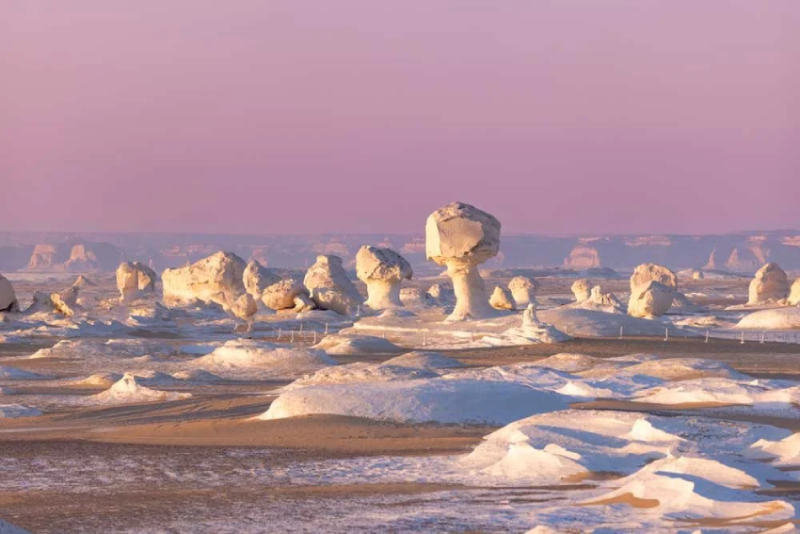
White Desert National Park Egypt – A Surreal Wonderland of Chalk Formations and Timeless Beauty
In the heart of the Western Desert, about 45 kilometers north of Farafra Oasis, lies one of the most mesmerizing landscapes on Earth: White Desert National Park Egypt. This protected area stretches across more than 3,000 square kilometers of wind-carved chalk formations, glowing mounds, and surreal geological sculptures that appear to rise straight out of a dream. Travelers who venture into this otherworldly terrain discover a silent masterpiece shaped by nature over millennia. The park is a living gallery of white limestone, gleaming under the golden sun by day and shimmeringly silver beneath the moonlight at night. It’s no wonder photographers, geologists, and adventurers from across the world rank it among the most enchanting destinations in North Africa.
Established in 2002, White Desert National Park is not merely a picturesque stop but a vital ecological and historical sanctuary. It forms part of the vast Western Desert ecosystem, enriched with fossilized remains, ancient marine sediments, and hidden caves. The contrast between the bright white rock formations and the deep blue skies creates a visual spectacle unmatched anywhere else in Egypt. Whether you’re gazing at the mushroom-shaped monoliths or camping under a canopy of a billion stars, the experience is as close to stepping on another planet as one can get without leaving Earth. For those embarking on Egypt Desert Tours, this surreal park is an absolute must-see.
The Geology and History of White Desert National Park Egypt
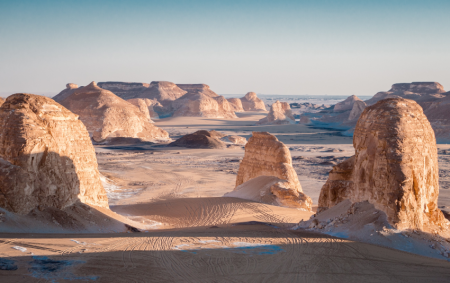
The white formations that define White Desert National Park Egypt were created over millions of years through the accumulation of marine sediments when the region was submerged under an ancient sea. As the waters receded, the soft chalk and limestone deposits were exposed to powerful desert winds that sculpted them into spectacular shapes—towers, cones, mushroom-like domes, and animal figures. These natural sculptures, sometimes resembling camels, sphinxes, or giant icebergs, have made the park a geological masterpiece and a favorite subject for scientific study and photography alike.
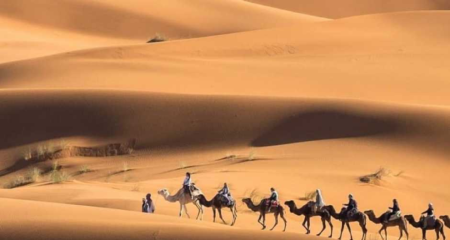
Adding to its allure, the White Desert lies along the route of several ancient caravan paths. Nomadic Bedouin tribes, traders, and pilgrims once crossed these lands on their way between oases such as the Bahariya Oasis Egypt and Farafra Oasis. Fossilized shells scattered throughout the area tell stories of a time when Egypt’s deserts were seabeds teeming with life, linking visitors to an ancient world that feels both alien and familiar.
Unique Chalk Formations and Landscapes
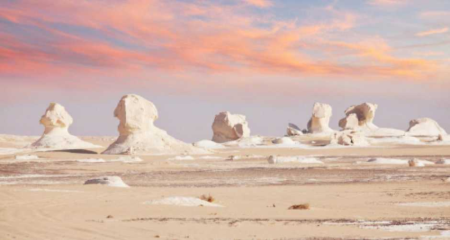
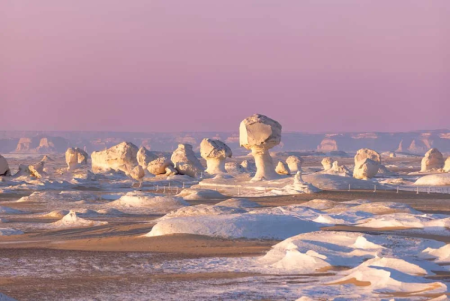
Among the park’s most famous geological sights are the ‘Chicken and Mushroom’ formations—towering sculptures that appear as if carved by an artist’s hand. The ‘Valley of the Mushrooms’ and ‘Ice Cream Valley’ feature bizarrely shaped pinnacles that gleam under the desert sun. Another striking area is the Valley of Agabat, a hidden gem filled with golden sand dunes and ivory cliffs. Visitors often describe it as the most photogenic part of the desert, where soft dunes roll smoothly around the chalk mounds, creating a natural amphitheater of light and shadow.
Ecological Significance and Desert Wildlife
While at first glance the White Desert may seem lifeless, it hosts a surprising diversity of flora and fauna. The park shelters endangered species such as the fennec fox, sand cat, and Dorcas gazelle. Desert acacias, tamarisks, and hardy shrubs dot the landscape, providing food and shelter for small mammals and birds. The ecological balance here is delicate, emphasizing the need for sustainable tourism and responsible exploration. For travelers joining specialized Egypt Vacations Packages, eco-friendly desert safaris offer a chance to explore while preserving this fragile environment.
Adventure and Activities in White Desert National Park Egypt
Adventure seekers will find White Desert National Park Egypt a playground for exploration. Popular activities include camping under the stars, hiking through surreal rock gardens, and taking 4x4 expeditions across the vast desert plains. The experience of sleeping in the open desert—under a blanket of stars so bright they cast shadows—is unforgettable. Local Bedouin guides share their knowledge of the terrain, leading travelers safely between landmarks and telling tales of ancient desert life. Nighttime in the White Desert is particularly magical, as the moonlight reflects off the chalk formations, bathing the entire landscape in a ghostly silver hue.
Camping Under the Stars
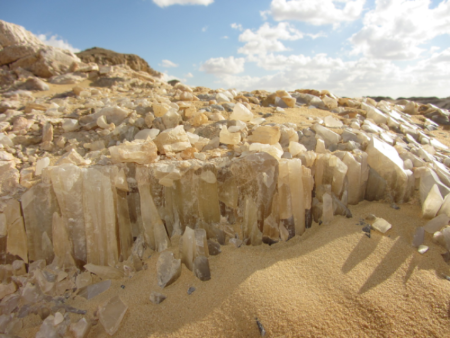
Campsites in White Desert National Park are typically minimalistic, preserving the pristine beauty of the environment. Travelers gather around campfires, savoring traditional Bedouin meals and sweet mint tea while listening to rhythmic desert music. The silence of the desert, broken only by whispering winds, is a rare treasure in a noisy world. For those planning longer adventures, combining a visit here with nearby wonders such as the Crystal Mountain or Black and White Desert Egypt delivers an unforgettable journey through Egypt’s most breathtaking natural wonders.
Photography, Stargazing, and Geological Tours
Photographers come from around the globe to capture the desert’s ethereal charm. Early mornings and late afternoons are the best times to photograph the stark contrast between the white chalk and amber sands. At night, the clear desert skies reveal constellations in stunning detail, making the park a top destination for stargazers and astrophotographers. Geological tours, often included in premium Egypt Excursions, explore the park’s sedimentary layers, fossils, and mineral deposits, offering insight into Earth’s deep history.
How to Reach White Desert National Park Egypt
The White Desert is most commonly accessed from Cairo City, about 500 kilometers away. Most travelers follow a route that leads through Bahariya Oasis, which serves as the gateway to the park. Organized tours depart daily from Cairo, often combining stops at nearby attractions like the Black Desert and the Crystal Mountain. The journey typically takes 4–5 hours by car, with 4x4 vehicles required for navigating the soft sands of the inner park. Many guided tours offer two-day or three-day itineraries, allowing visitors to experience the desert’s shifting moods from sunrise to moonrise.
Best Time to Visit White Desert National Park
The ideal time to explore White Desert National Park Egypt is between October and April, when temperatures are cooler and more comfortable for camping and hiking. Summer months can be intensely hot, making daytime exploration challenging. Winter nights, though chilly, offer the clearest skies and the most comfortable conditions for sleeping outdoors. Always travel with a licensed guide who understands the terrain, as desert navigation can be tricky even for experienced adventurers.
Preservation and Sustainable Tourism
White Desert National Park was designated as a protected area to safeguard its fragile formations and biodiversity. Visitors are encouraged to follow strict environmental guidelines—no littering, no climbing on the delicate chalk structures, and minimal campfire use. Local authorities and eco-guides emphasize conservation, ensuring that future generations can marvel at this pristine wilderness. Responsible travel companies highlight sustainability as part of their mission, integrating educational elements into tours so visitors appreciate the importance of preserving Egypt’s natural heritage alongside its ancient monuments.
Nearby Attractions to Combine with the White Desert
Travelers often combine their visit to White Desert National Park Egypt with other nearby attractions. The White Desert of Egypt itself extends into areas filled with fossilized coral reefs and marine remnants. The Great Sand Sea offers massive dunes for sandboarding and adventure drives, while the Siwa Oasis further west is known for its stunning salt lakes and ancient temples. Combining these destinations provides a holistic glimpse into Egypt’s desert culture and its hidden treasures beyond the Nile Valley.
FAQs About White Desert National Park Egypt
What makes White Desert National Park Egypt unique?
White Desert National Park stands out for its extraordinary chalk formations sculpted by natural forces over millions of years. The surreal landscape, appearing snow-white against the desert sands, creates an illusion of walking on another planet. Its combination of geological artistry, desert wildlife, and star-filled skies makes it one of Egypt’s most spectacular national parks.
How can I get to White Desert National Park from Cairo?
The park is accessed through Bahariya Oasis, roughly a 4–5 hour drive from Cairo. Visitors can hire private 4x4 vehicles or join organized desert safaris that include transportation, camping gear, and local guides. Many packages combine the White Desert with stops at the Black Desert and the Crystal Mountain, offering a well-rounded journey.
What should I bring when visiting White Desert National Park?
Essentials include lightweight clothing for daytime, warm layers for nighttime, sunscreen, a hat, extra water, and a camera. Camping visitors should have sleeping bags, portable lighting, and a first-aid kit. Most organized tours provide camping equipment and meals. Always carry sufficient water and avoid wandering away from guided routes.
Is it safe to camp overnight in White Desert National Park?
Yes, camping in the White Desert is safe when done with licensed guides familiar with the terrain. The area is remote but secure, and local Bedouins are known for their hospitality. Many visitors find overnight camping the highlight of their Egyptian adventure, thanks to the breathtaking silence and unforgettable stargazing.
Are there entry fees or permits required?
Visitors usually need a permit to enter the protected area, which can be arranged through tour operators or at the Bahariya Oasis checkpoint. Fees contribute to conservation efforts and park maintenance. It’s advisable to book through reputable agencies that handle permits, guides, and camping logistics on your behalf.
Can I visit the White Desert independently?
While independent travel is technically possible, it’s not recommended due to the park’s remote location and challenging terrain. Hiring a local guide or joining a pre-arranged tour ensures safety, efficient navigation, and access to all key landmarks. This also supports the local Bedouin community and promotes sustainable tourism.
What are the best photography tips for the White Desert?
Use a polarizing filter to capture the sharp contrasts of the white rocks and blue sky. Early morning and late afternoon provide the softest light and the most dramatic shadows. Long exposure shots at night beautifully capture the Milky Way over the luminous chalk formations, creating stunning, otherworldly photographs.
Conclusion: The Timeless Charm of Egypt’s White Desert
Visiting White Desert National Park Egypt is more than a trip—it’s an encounter with nature’s poetry carved in stone. From its shimmering chalk formations and fossil-rich plateaus to its tranquil sunsets and starry nights, every corner of the park whispers stories of time, wind, and wonder. For those seeking to experience Egypt beyond its ancient temples and the Nile, the White Desert offers a journey into silence, beauty, and infinite horizons. Whether you’re an adventurer, photographer, or dreamer, this dazzling wilderness promises memories that linger long after the desert wind fades into the horizon.
Our Partners
Our Awesome Partners