
How To Experience Authentic Bedouin Culture In Egypt
To experience authentic Bedouin culture in Egypt, join guided desert tours led by Bedouin hosts, participate in traditional meals around a campfire, and stay overnight in tented camps in Sinai or the Western Desert. Engage respectfully with local customs, and seek out experiences that support Bedouin communities and preserve their heritage.
Key Takeaways
- Guided desert tours with Bedouin hosts offer firsthand insights into Bedouin traditions and daily life.
- Staying in tented camps in the Sinai or Western Desert provides an immersive cultural experience.
- Participating in Bedouin meals and storytelling around a campfire is central to cultural exchange.
- Supporting Bedouin-led tourism helps preserve traditional skills and benefits local communities.
- Respect for Bedouin customs and traditions is essential for a meaningful and responsible visit.
The Bedouin people, whose name derives from the Arabic word "badawī" meaning "desert dweller," are nomadic tribes native to Egypt’s deserts, especially the Sinai Peninsula and the Western Desert. Their culture is shaped by centuries of living in harsh, arid landscapes, with traditions rooted in hospitality, oral storytelling, music, and a deep knowledge of the land. For travelers who seek more than sightseeing, immersing in Bedouin culture offers a rare chance to connect with Egypt’s living heritage, beyond the monuments and museums.
Authentic Bedouin experiences in Egypt are best found through direct engagement: traveling across golden dunes on camelback, sharing tea brewed over open fires, and listening to ancient tales under a canopy of stars. These moments, far from tourist crowds, allow for genuine cultural exchange. Whether you choose the dramatic mountains of Sinai or the vast silence of the White Desert, Bedouin hosts welcome visitors with warmth, sharing their music, crafts, and wisdom about the desert’s fragile ecosystem. This article guides you through the most rewarding ways to experience Bedouin culture in Egypt, with practical tips and ethical travel advice for a journey that is both memorable and respectful.
Where To Find Authentic Bedouin Experiences In Egypt
The Sinai Peninsula is the heartland of Egypt’s Bedouin communities, particularly the Jabaleya, Muzeina, and Tarabin tribes. The region’s dramatic mountain valleys, such as those near St. Catherine, are ideal for trekking and cultural immersion. The Western Desert, including the oases of Siwa and Bahariya, is home to Bedouin groups with distinct traditions, offering a different but equally rich encounter. For travelers interested in Egypt’s natural wonders, the top wildlife experiences in Egypt often overlap with Bedouin lands, providing opportunities to learn about desert flora and fauna from local experts.
Popular Destinations For Bedouin Culture
| Region | Tribes | Signature Experiences |
|---|---|---|
| Sinai Peninsula | Jabaleya, Muzeina, Tarabin | Mountain trekking, camel safaris, Bedouin feasts |
| Western Desert | Awlad Ali, other Bedouin tribes | Oasis camping, sandboarding, traditional music |
| Siwa Oasis | Siwi (distinct from Bedouin, but with overlapping traditions) | Salt lake tours, palm grove walks, local crafts |
For those drawn to Egypt’s landscapes, exploring Egypt’s most beautiful desert trails with Bedouin guides is an unforgettable way to combine adventure and culture.
What To Expect On A Bedouin-Led Desert Experience
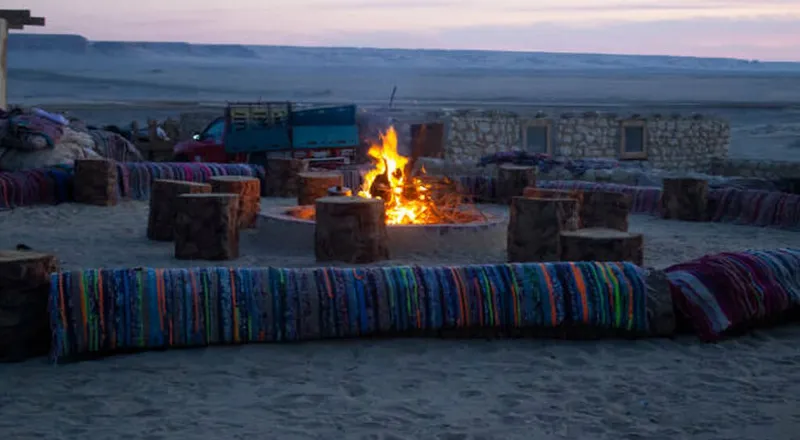
Bedouin desert tours are designed to share the rhythms of nomadic life. Most begin with a camel or 4x4 journey across the sands, followed by a traditional meal—often featuring grilled meats, flatbreads, and sweet tea—prepared fresh over a fire. Evenings are spent around the campfire, where hosts share poetry, music, and stories passed down through generations. Overnight stays in tents or simple huts allow guests to experience the desert’s tranquility and the famous Bedouin hospitality. These experiences are distinct from standard tours, emphasizing cultural exchange and sustainability.
Travelers should be aware that Bedouin customs, including dress codes and gender roles, may differ from those in Egypt’s cities. Respecting these traditions is essential. For example, guests are often invited to remove shoes before entering tents and to accept tea or food as a sign of friendship. During Ramadan, the holy month of fasting, Bedouin communities observe special rituals; for insight on travel during this period, see what it’s like to celebrate Ramadan in Egypt.
Sample Activities On A Bedouin Desert Tour
- Camel trekking through desert valleys
- Preparing and sharing a Bedouin meal
- Listening to traditional music and poetry
- Learning about medicinal plants and desert survival
- Stargazing and storytelling by the campfire
Supporting Bedouin Communities Through Responsible Tourism
Choosing Bedouin-run tours and camps ensures your visit directly benefits local families and helps sustain traditional ways of life. Many Bedouin communities face challenges from modernization, land restrictions, and climate change. By booking with Bedouin cooperatives or guides, you contribute to cultural preservation and economic resilience. For travelers interested in sustainable travel, there are eco-friendly ways to travel Egypt that minimize environmental impact while supporting indigenous communities.
Always ask your tour operator about their connection to local Bedouin groups, fair wages, and community projects. Purchasing handmade crafts, such as woven rugs or silver jewelry, is another way to support Bedouin artisans. Avoid tours that treat Bedouin culture as a spectacle; instead, seek experiences that foster mutual respect and genuine interaction.
When To Visit And What To Bring
The best times to experience Bedouin culture in Egypt are during the cooler months, from October to April, when desert temperatures are most comfortable. Summer travel is possible but requires preparation; for tips on coping with extreme heat, read how to travel Egypt during the summer heat. Festivals and communal gatherings, such as weddings or religious celebrations, offer unique insights into Bedouin life; these are often private, but some coincide with public festivals & events in Egypt throughout the year.
Packing essentials include modest clothing, a headscarf for sun protection, sturdy shoes, and a reusable water bottle. Gifts such as tea or dates are appreciated if invited to a family gathering, but always check with your host first. Remember that official fees and hours for desert monuments and protected areas are revised periodically; check the latest details before your visit.
Practical Tips For An Authentic And Respectful Visit
- Book tours with Bedouin-owned operators or through reputable agencies that partner with local communities.
- Ask permission before taking photographs of people or private dwellings.
- Learn basic Arabic greetings; even simple phrases are warmly received.
- Observe local etiquette regarding gender roles and hospitality.
- Arrive at least one hour before the site’s closing time if visiting monuments, as recommended by the Ministry’s official ticketing service.
Mobile phone photography is free of charge at Ministry sites, and students aged 24 or under with valid ID may be eligible for discounted tickets, per the Ministry’s official ticketing service. For those traveling during religious holidays, see what it’s like to visit Egypt during Eid for cultural context and travel advice. If you want to avoid crowds at popular times, learn how to visit Egypt during peak season without crowds for a more peaceful experience.
Frequently Asked Questions
What is the most authentic way to experience Bedouin culture in Egypt?
The most authentic way to experience Bedouin culture in Egypt is to join a guided desert tour or overnight camp run by Bedouin hosts, where you participate in traditional meals, storytelling, and daily activities.
Are there Bedouin experiences suitable for families or children?
Many Bedouin camps and tours welcome families and children, offering activities such as camel rides, sandboarding, and cultural workshops that are engaging for all ages.
Do Bedouin communities in Egypt speak English?
Some Bedouin guides and hosts speak English, especially in tourist areas like Sinai and Siwa, but learning a few Arabic phrases will enhance your experience and show respect for the culture.
Is it possible to visit Bedouin communities independently?
Visiting Bedouin communities independently is possible in some areas, but guided experiences are recommended for cultural sensitivity, safety, and access to authentic activities.
What should I wear when visiting a Bedouin camp?
When visiting a Bedouin camp, wear modest, loose-fitting clothing that covers shoulders and knees, bring a headscarf for sun protection, and follow any dress guidelines provided by your hosts.
Can I take photographs during a Bedouin experience?
You may take photographs of landscapes and camp activities, but always ask permission before photographing people or private spaces to respect Bedouin customs.
Are there any special rules for visiting Bedouin sites during Ramadan or religious holidays?
During Ramadan and religious holidays, Bedouin communities observe special customs; visitors should be mindful of fasting hours and local etiquette, and check for any changes in tour availability or timing.
How do I ensure my visit benefits Bedouin communities?
To ensure your visit benefits Bedouin communities, choose locally owned tours, buy handmade crafts, and support operators who invest in community projects and fair employment practices.