

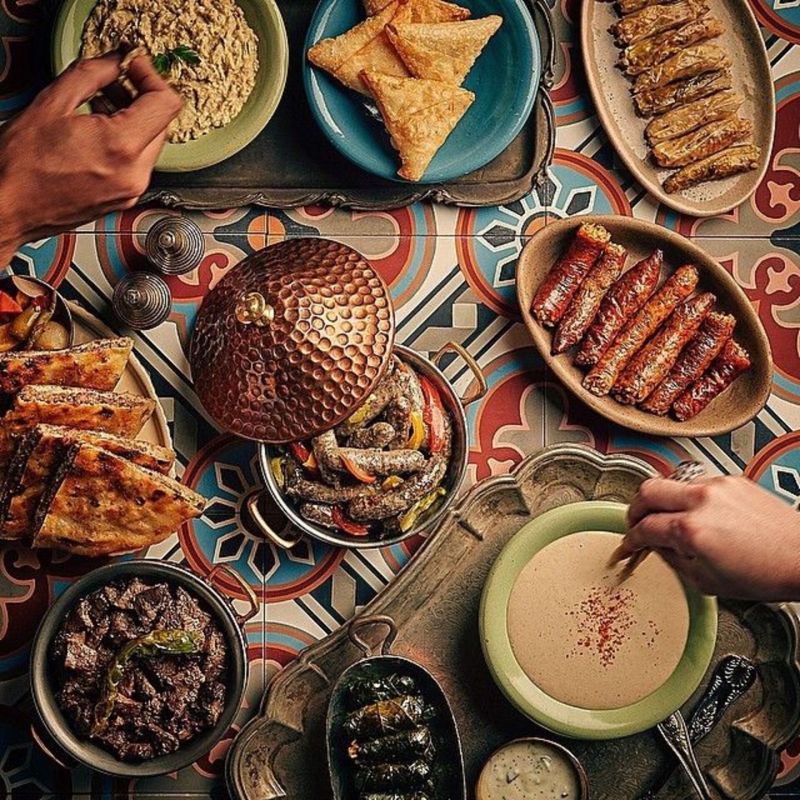
Traditional Dishes in Egypt: A Culinary Journey Through Time and Taste
Egyptian cuisine tells the story of an ancient civilization through its flavors, aromas, and textures. Every dish from Egypt carries echoes of the Nile, the desert, and centuries of trade with Mediterranean and Middle Eastern cultures. Whether it’s the comforting bowl of ful medames or the irresistible crunch of falafel, these traditional dishes in Egypt embody the country’s rich cultural heritage. Travelers exploring Egypt Travel Packages often find that tasting local food is one of the most memorable parts of their journey.
Egyptian cooking blends simplicity with deep flavor. Most traditional dishes rely on affordable ingredients like legumes, rice, onions, and herbs, yet the resulting meals are vibrant and satisfying. The food scene in Egypt reveals regional diversity—Cairo’s street food culture contrasts with the coastal seafood feasts in Alexandria and the Nubian dishes of Aswan. Moreover, the country’s culinary traditions remain deeply linked to religious festivals, family gatherings, and even the rhythm of the Nile harvest seasons. Modern Egypt may have embraced global cuisines, but traditional Egyptian food remains the soul of its culinary identity.
Visitors who stroll through El Moez Street or the bustling markets of Khan al-Khalili Cairo will encounter the irresistible aroma of freshly fried falafel, grilled kebabs, and sweet desserts dripping with honey. Egypt’s culinary story is not just about food—it’s about history, hospitality, and identity. The following sections will uncover the most iconic traditional dishes in Egypt, exploring their origins, flavors, and cultural significance.
Ful Medames: The Breakfast of Pharaohs
Ful medames is Egypt’s national dish and a cornerstone of traditional Egyptian food. This humble yet hearty dish consists of fava beans simmered slowly overnight and seasoned with olive oil, lemon juice, garlic, and cumin. Egyptians have eaten ful for thousands of years, and it’s believed to date back to Pharaonic times. In modern Egypt, ful is the breakfast of choice for millions, enjoyed with fresh bread, pickles, and sometimes eggs or cheese.
The popularity of ful medames extends beyond borders—it’s not just a staple in Cairo but also appreciated in Alexandria City and throughout the Middle East. Street vendors serve it from large metal pots, offering a flavorful and filling meal that fuels workers and students alike. The dish symbolizes Egypt’s connection to the land, as fava beans thrive in the fertile soil of the Nile Delta. It’s a perfect example of how Egyptian cuisine transforms simple ingredients into comforting, timeless meals.
Ta’ameya: The Egyptian Falafel
While falafel is famous throughout the Middle East, Egypt’s version, known as ta’ameya, stands apart. Instead of using chickpeas, Egyptians make ta’ameya from ground fava beans mixed with fresh herbs like parsley, cilantro, and dill. The result is a green-hued patty that’s crispy on the outside and tender inside. Ta’ameya is often served alongside ful medames as part of the ultimate Egyptian breakfast, wrapped in warm baladi bread and topped with tahini or spicy tomato sauce.
In cities such as Giza City and Aswan City, locals enjoy ta’ameya with pickled vegetables and a squeeze of lemon. Its crunchy texture and earthy flavor make it a favorite among both vegetarians and meat lovers. Ta’ameya represents the Egyptian knack for turning basic produce into something magical.
Koshari: Egypt’s National Comfort Food
No discussion of traditional dishes in Egypt would be complete without mentioning koshari. Often described as Egypt’s national comfort food, koshari is a filling, flavorful mix of rice, lentils, macaroni, and chickpeas topped with tangy tomato sauce and crispy fried onions. It’s a dish that satisfies every craving—hearty, spicy, and aromatic. Street vendors throughout Cairo and other cities serve koshari in generous portions, often customizing the spice level to each customer’s taste.
Koshari has interesting roots, combining influences from Italian, Indian, and Egyptian cuisines. Introduced during the 19th century, it evolved into an authentic Egyptian staple enjoyed by all classes. It perfectly mirrors the Egyptian spirit—resourceful, generous, and full of flavor. Travelers exploring Egypt Nile Cruises often encounter koshari on board, where chefs elevate it with delicate garnishes and high-quality ingredients.
Mahshi: The Stuffed Vegetable Tradition
Mahshi, which means “stuffed” in Arabic, is a classic dish in Egyptian households. It features vegetables like zucchini, eggplant, bell peppers, and vine leaves filled with a mixture of rice, herbs, and spices. Some versions include minced meat, while others remain purely vegetarian. The key to perfect mahshi lies in the seasoning—simmered tomato sauce infused with cinnamon, dill, and mint gives it a distinctive Egyptian flair.
Mahshi often appears at family gatherings, weddings, and festive occasions. Every region in Egypt has its variation, and families pass down recipes across generations. This dish offers a glimpse into the communal nature of Egyptian cooking, where preparing food is a celebration of togetherness and love for tradition. It’s also a typical meal for Friday lunches, often served with yogurt or salad to balance the rich flavors.
Molokhia: A Royal Green Stew
Molokhia stands as one of Egypt’s most iconic traditional dishes. Made from finely chopped jute leaves cooked in a garlicky broth, molokhia has a unique texture and earthy flavor. Historically, it was reserved for Egyptian royalty, but today it’s enjoyed by everyone. It’s often served with rice or bread and paired with chicken, rabbit, or duck.
The dish’s history traces back to ancient times, symbolizing the abundance of the Nile’s fertile banks. Its deep green color represents prosperity and vitality—fitting for a meal enjoyed across generations. Locals in Luxor City and beyond add their unique touches, such as sprinkling dried coriander during the “tasha” (sautéing) stage, filling the kitchen with irresistible aroma.
Hawawshi: The Egyptian Meat Pie
Hawawshi is a flavorful Egyptian street food consisting of spiced minced beef or lamb stuffed into baladi bread, then baked until crispy. It’s Egypt’s answer to a meat pie or sandwich, bursting with garlic, chili, and onion. Served hot with pickles and tahini, hawawshi is popular among locals who crave something quick yet satisfying.
In Cairo, hawawshi is available in nearly every neighborhood, while in Alexandria, it’s often filled with additional herbs and cheese for a coastal twist. Tourists exploring Cairo Day Tours frequently stop to savor this crunchy delicacy. Its popularity demonstrates how Egyptian cuisine continuously balances flavor, convenience, and tradition.
Egyptian Desserts: Sweet Endings with a Touch of History
Egyptian desserts are the perfect finale to any meal. Among the most beloved is Om Ali, a creamy bread pudding layered with milk, nuts, and raisins. It’s said to have originated in the Mamluk era and remains a symbol of celebration. Another favorite is basbousa, a semolina cake soaked in syrup and flavored with coconut or almonds. Kunafa, made from shredded pastry and filled with cream or cheese, shines during Ramadan.
Egyptians have a sweet tooth, and desserts reflect their culture of hospitality. Whether enjoyed at family gatherings or along the scenic banks of The Nile River, these delicacies bring people together. They also reveal Egypt’s connection to its neighbors, as many sweets share Ottoman and Levantine influences while maintaining a distinct Egyptian identity.
Street Food Culture in Egypt
From Alexandria’s corn vendors to Cairo’s falafel stands, Egyptian street food captures the country’s vibrant rhythm. The streets buzz with the sizzle of grills and the call of vendors. Traditional snacks like liver sandwiches, roasted corn, and sweet potatoes are common sights. Local markets near Cairo city showcase food as an everyday celebration of flavor, community, and tradition. Whether day or night, Egyptian street food offers an authentic cultural experience worth savoring.
Egyptian Beverages: From Hibiscus to Sugarcane
Traditional Egyptian drinks are as colorful as the cuisine itself. Karkadeh (hibiscus tea) is a national favorite, served hot or cold. Its bright crimson color and tangy sweetness make it a refreshing drink during Egypt’s warm afternoons. Sugarcane juice, known as ‘asab,’ is another local staple, offering natural energy straight from the fertile Nile farmlands. Mint tea and Turkish coffee round out the list of beloved beverages, enjoyed during social gatherings or after hearty meals.
FAQs about Traditional Dishes in Egypt
What is the most famous traditional dish in Egypt?
Koshari holds the title of Egypt’s most famous traditional dish. It combines rice, lentils, pasta, and chickpeas topped with tomato sauce and fried onions. Its affordability, flavor, and availability everywhere make it the ultimate Egyptian comfort food.
What do Egyptians eat for breakfast?
Egyptians typically start the day with ful medames and ta’ameya, often served with bread, pickles, and salad. It’s a nutritious and affordable breakfast that provides lasting energy for daily activities.
Are traditional Egyptian dishes spicy?
Egyptian food isn’t overly spicy; it focuses more on balanced flavors and aromatic herbs. Cumin, coriander, garlic, and onions are common seasonings, giving dishes warmth without excessive heat.
What desserts should I try in Egypt?
Om Ali, basbousa, and kunafa are must-try traditional Egyptian desserts. Each offers a unique texture and sweetness, reflecting Egypt’s rich culinary heritage and festive traditions.
Is Egyptian cuisine suitable for vegetarians?
Absolutely. Many traditional Egyptian dishes like ful medames, ta’ameya, koshari, and mahshi are vegetarian-friendly. The cuisine’s reliance on legumes, grains, and vegetables makes it ideal for plant-based diets.
Conclusion: A Taste of Egypt’s Soul
Traditional dishes in Egypt reveal more than just delicious flavors; they embody centuries of history, culture, and community. Every bite tells a story—from the ancient farmers along the Nile to the bustling vendors of Cairo today. Whether enjoyed in a local home or along a cruise on the Nile, Egyptian food connects people through shared heritage and genuine warmth. Exploring these dishes is not only a culinary journey but also an invitation to experience the heart of Egypt itself.