
Giza City
Giza City: The Eternal Gateway to Ancient Egypt
Giza City, perched on the western bank of the Nile River just across from bustling Cairo, stands as a timeless symbol of humanity’s ingenuity and ambition. It’s not just the home of the legendary Great Pyramids of Giza or the mystifying Sphinx statue—Giza is a living, breathing city where modern life and ancient legacy intertwine. From its lively streets to its world-class museums like The Grand Egyptian Museum, every corner whispers stories of pharaohs, gods, and civilizations that shaped human history. It’s where travelers feel the pulse of Egypt’s past while experiencing its vibrant present. Whether you’re drawn by the enchantment of archaeological wonders or the warmth of local culture, Giza City captures the imagination like no other place on Earth. It’s more than a destination—it’s a journey back in time, a living museum under the desert sun, and a must-visit for every history enthusiast craving an authentic Egyptian adventure.
The Timeless History of Giza City
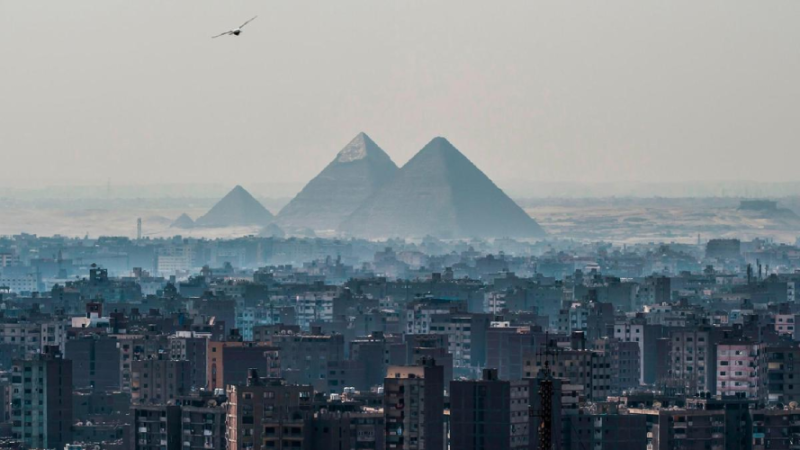
Giza’s roots stretch back over 4,500 years to the Old Kingdom era, when Pharaoh Khufu commissioned the Great Pyramid, the last remaining wonder of the ancient world. Over time, this plateau evolved into a necropolis for Egypt’s royal elite, adorned with majestic tombs, temples, and the awe-inspiring Sphinx Statue. This colossal guardian, carved from a single limestone block, continues to captivate archaeologists and travelers with its enigmatic expression. Giza City served as a royal and spiritual center, bridging the mortal realm and the divine. Today, the city thrives as a modern urban hub that preserves its historical treasures while embracing development. The juxtaposition of ancient monuments against a skyline of high-rises is a sight that no photograph can truly capture.
Giza City’s Geographical Importance and Connection to the Nile
Strategically located less than 10 kilometers southwest of Cairo, Giza lies at the heart of Egypt’s historical and economic life. Its proximity to the Nile River made it ideal for transporting limestone blocks and other materials during pyramid construction. The river remains a lifeline, nurturing agriculture and trade since antiquity. Even today, the contrast between the fertile green banks and the golden desert beyond Giza’s edges paints a picture of Egypt’s eternal balance between life and aridity. The city’s advantageous position also makes it a top stop on many Egypt Travel Packages that immerse visitors in the country’s glorious past and vibrant present.
The Cultural Soul of Giza City
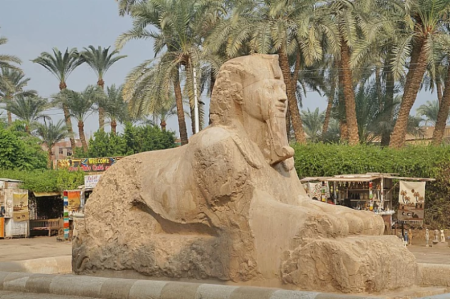
Beyond its monuments, Giza City pulsates with cultural richness. Local markets bustle with merchants offering handwoven textiles, papyrus art, and aromatic spices. Traditional dishes like koshari and ful medames bring Egyptian flavors alive for visitors. Horse and camel rides along the desert plateau provide an authentic glimpse of ancient travel traditions. The city also serves as a gateway to other historic sites such as Memphis Egypt, the old Egyptian capital and Sakkara Necropolis, making Giza a core component of Egypt’s historical tourism circuit. Each experience here feels like a chapter of a grand story, where visitors become explorers in a land of gods and kings.
Top Attractions and Landmarks in Giza City
Giza’s allure is timeless, anchored by its monumental landmarks that embody the essence of ancient Egypt. The Great Pyramids, Sphinx, and necropolis are world-famous, but the city offers more than these iconic structures.
The Great Pyramids of Giza
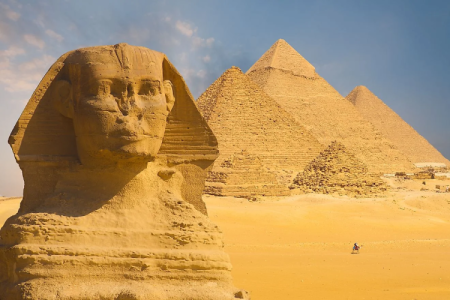
The trio of pyramids—Khufu, Khafre, and Menkaure—rise majestically against the skyline, symbolizing human achievement. The Great Pyramid of Khufu remains the largest, with its precise alignment to celestial bodies sparking endless fascination. Visitors can enter the interior chambers, tracing the footsteps of ancient builders. Sunset over the pyramids casts a golden glow that feels almost divine. Many Egypt Excursions feature this wonder as a highlight, often combined with camel rides across the plateau for a once-in-a-lifetime experience.
The Great Sphinx and the Valley Temple
Standing near the Pyramid of Khafre, the Sphinx is Egypt’s eternal enigma. Its human head and lion body represent wisdom and strength. Nearby lies The Valley Temple, an ancient site of purification rituals and mummification ceremonies. These structures narrate the spiritual depth of Egyptian beliefs, connecting the mortal realm to the afterlife. The craftsmanship visible in each stone reflects the unmatched engineering skills of the ancient builders.
The Grand Egyptian Museum: Giza’s Modern Marvel
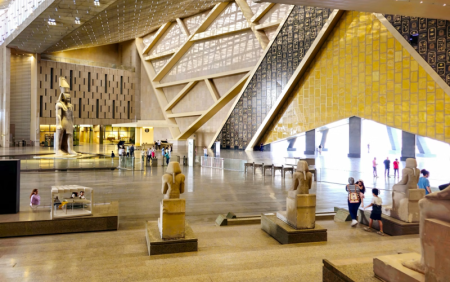
Within sight of the pyramids, The Grand Egyptian Museum (GEM) redefines how Egypt showcases its heritage. This architectural masterpiece houses over 100,000 artifacts, including the complete collection of Tutankhamun’s treasures. Designed to merge modern aesthetics with ancient symbolism, GEM offers interactive exhibitions and 3D visuals that breathe life into history. The museum’s location in Giza further strengthens the city’s reputation as the custodian of Egypt’s most precious legacy.
Saqqara and Dahshur: The Precursors to Giza’s Pyramids
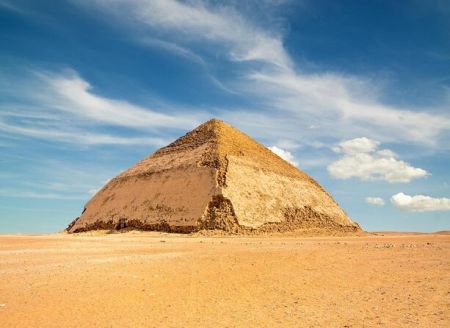
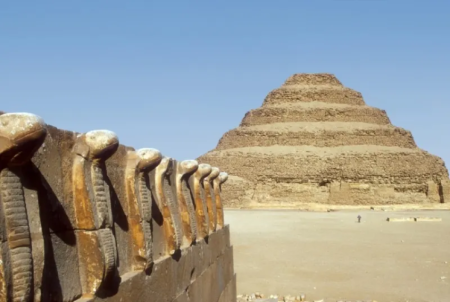
Just south of Giza lies Sakkara Necropolis, home to the Step Pyramid of Djoser—the prototype that paved the way for Giza’s grand pyramids. Further south, Dahshour showcases the Bent and Red Pyramids, marking the evolution of pyramid architecture. Exploring these sites provides a chronological understanding of Egypt’s engineering genius and spiritual evolution.
Modern Life and Tourism in Giza City
Giza isn’t frozen in time—it’s a thriving modern metropolis blending urban energy with historical grandeur. From contemporary hotels to traditional bazaars, the city caters to travelers seeking both comfort and authenticity. Many Egypt Luxury Tours include Giza as a central stop, pairing archaeological exploration with five-star hospitality. Visitors can enjoy leisure cruises along the Nile, dine at rooftop restaurants overlooking the pyramids, or experience vibrant local nightlife that surprises with its modern flair.
Adventure and Desert Exploration
For thrill-seekers, Giza offers more than sightseeing. Desert safaris on quad bikes or 4x4 vehicles provide an adrenaline rush amid golden dunes. The surrounding landscape connects easily to Egypt Desert Tours that lead to the White Desert, Bahariya Oasis, and other natural wonders. Watching stars over the Giza plateau is an unforgettable experience, merging serenity and mystery in equal measure.
Local Hospitality and Lifestyle
Egyptians are known for their warmth, and Giza’s residents exemplify this hospitality perfectly. Walking through neighborhoods reveals daily life that balances tradition with modernity. Families gather for tea, children play near ancient walls, and artisans continue age-old crafts. Staying in Giza offers immersion into Egyptian culture beyond the pyramids—an experience few travelers forget.
Travel Tips for Visiting Giza City
To make the most of your Giza visit, plan ahead. The best time to explore is between October and April, when temperatures are milder. Book guided tours through reliable agencies to gain deeper insights into each site’s history—many experts emphasize this in Why a Tour Guide in Egypt Is Essential. Dress comfortably, stay hydrated, and always carry sunscreen. Combining your Giza trip with a Nile cruise or Cairo day tours offers a fuller Egyptian experience, bridging ancient wonders with modern city life.
How to Get Around Giza City
Transportation in Giza is convenient, with taxis, buses, and ride-hailing apps easily available. Many travelers prefer organized tours that include transfers to nearby attractions such as Cairo Day Tours. Exploring on horseback or camelback offers a unique, traditional perspective of the plateau.
Frequently Asked Questions about Giza City
What is Giza City famous for?
Giza City is world-renowned for the Great Pyramids, the Sphinx, and its archaeological heritage. These monuments symbolize Egypt’s glory and attract millions of visitors yearly, making Giza a cornerstone of global tourism.
How far is Giza City from Cairo?
Giza lies approximately 10 kilometers southwest of Cairo. Travelers can reach it by car or metro in less than 30 minutes, making day trips between the two cities effortless and popular among visitors.
Is Giza City safe for tourists?
Yes, Giza City is generally safe for tourists, with strong security around major attractions. Visitors should exercise standard precautions, stay aware of surroundings, and respect local customs—just as they would in any international destination.
What is the best time to visit Giza City?
The ideal months are October through April, when weather conditions are pleasant for outdoor exploration. During these months, visitors can fully enjoy the pyramids, museum tours, and desert excursions without the scorching summer heat.
Can you enter the pyramids in Giza City?
Yes, certain pyramids allow entry with an additional ticket. Inside, visitors witness narrow passageways and ancient burial chambers that offer a once-in-a-lifetime encounter with the craftsmanship of ancient Egypt’s builders.
Final Thoughts: Why Giza City Should Top Your Travel List
Every grain of sand in Giza tells a story. From the monumental pyramids to the vibrant modern streets, Giza City stands as an enduring symbol of human greatness. It’s where history, culture, and adventure intersect—inviting travelers to walk in the footsteps of pharaohs while embracing the vitality of contemporary Egypt. Whether you’re a history buff, cultural enthusiast, or casual traveler, Giza City promises an experience that outshines expectations and lingers long after you’ve returned home.
Planning your Egypt trip? See our Camel Ride and ATV Quad Bike Adventure Around the Giza Pyramids from the Airport.





Our Partners
Our Awesome Partners