
A Guide To Egypt’s Oases: Siwa, Bahariya, Farafra, Dakhla, Kharga
Egypt’s five western oases—Siwa, Bahariya, Farafra, Dakhla, and Kharga—offer unique desert landscapes, ancient history, and authentic cultural encounters. Each oasis features distinct natural wonders and heritage sites, making them top destinations for travelers seeking adventure, tranquility, and a glimpse of Egypt beyond the Nile Valley.
Key Takeaways
- Siwa Oasis is famous for the Oracle Temple of Amun and natural salt lakes.
- Bahariya Oasis serves as the gateway to the White and Black Deserts.
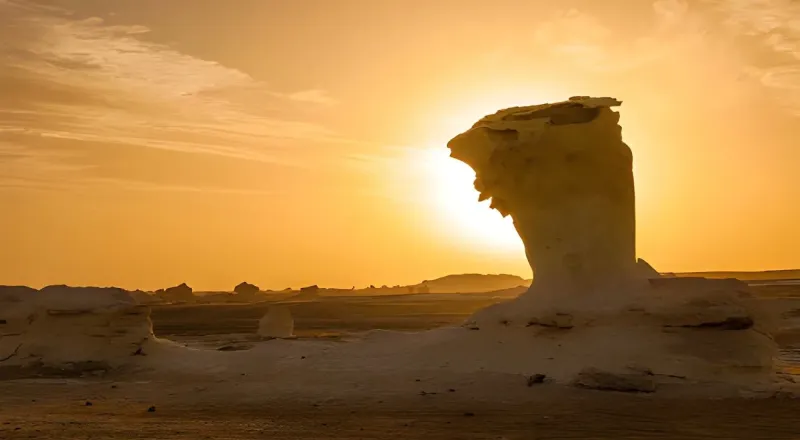
- Farafra Oasis is renowned for its surreal White Desert rock formations.
- Dakhla Oasis blends Pharaonic, Roman, and Islamic heritage in its villages.
- Kharga Oasis is the largest, with significant temples and a striking desert backdrop.
Egypt’s oases are a world apart from the bustling cities and Nile-side monuments. These lush islands in the vast Western Desert have sheltered travelers, traders, and entire civilizations for millennia. Today, they promise a journey into Egypt’s wild heart, where palm groves, bubbling springs, and ancient ruins await those willing to venture off the beaten path. From Siwa’s mystical salt lakes and Bahariya’s palm-fringed villages to Farafra’s alien landscapes, each oasis is a living testament to survival, adaptation, and tradition.
Visiting the oases is also an opportunity to experience authentic Bedouin culture, sample local dates and olives, and unwind in hot springs under star-filled skies. Adventure seekers can trek through the White Desert, explore prehistoric rock art, or enjoy eco-friendly travel options that respect the delicate desert environment. For travelers planning a trip during special times of year, consider reading about festivals and events in Egypt throughout the year to enhance your oasis journey.
With official policies offering free entry to children under 6 and Egyptian seniors, and mobile phone photography free of charge at many sites per the Ministry of Tourism and Antiquities, the oases are accessible for a wide range of visitors. However, ticket prices for monuments are published in Egyptian Pounds (EGP) and may change, so always check the latest details before traveling.
Overview: Egypt’s Five Western Oases
| Oasis | Location | Main Attractions | Unique Features |
|---|---|---|---|
| Siwa | Near the Libyan border, 560 km west of Cairo | Oracle Temple of Amun, Shali Fortress, salt lakes | Distinct Berber culture, natural springs |
| Bahariya | 370 km southwest of Cairo | Valley of the Golden Mummies, Black Desert | Gateway to White Desert, palm groves |
| Farafra | 170 km south of Bahariya | White Desert National Park, Badr Museum | Unique chalk formations, hot springs |
| Dakhla | 190 km southeast of Farafra | Al-Qasr Village, Deir al-Hagar Temple | Pharaonic, Roman, and Islamic sites |
| Kharga | 200 km east of Dakhla | Temple of Hibis, Bagawat Necropolis | Largest oasis, desert scenery |
Siwa Oasis: Mystique and Tradition
Siwa Oasis, nestled near Egypt’s western border, is famed for its ancient Oracle Temple of Amun, where legends say Alexander the Great sought prophecy. The oasis is also home to the crumbling mud-brick Shali Fortress, lush date palms, and crystal-clear springs. Siwa’s salt lakes offer otherworldly landscapes and therapeutic floating experiences, while its distinct Amazigh (Berber) culture is reflected in local crafts, architecture, and cuisine.
For those seeking authentic desert adventures, Siwa’s eco-lodges and Bedouin camps provide immersive stays. Read more about how to experience authentic Bedouin culture in Egypt and enrich your journey with genuine encounters.
Top Experiences in Siwa
- Swim in Cleopatra’s Spring, a legendary freshwater pool.
- Explore the ancient necropolis of Gebel al-Mawta (“Mountain of the Dead”).
- Float in the hypersaline Siwa salt lakes.
- Sample Siwan olives and dates at a local market (see a beginner’s guide to haggling in Egyptian markets).
Bahariya Oasis: Gateway to Egypt’s Desert Wonders
Bahariya Oasis is a lush haven surrounded by desert escarpments and is the launch point for exploring the Black and White Deserts. The Valley of the Golden Mummies, a vast Greco-Roman necropolis, offers a glimpse into ancient Egypt’s frontier life. Bahariya’s hot springs and palm groves provide a tranquil retreat, while its villages are known for warm hospitality and vibrant date markets.
Adventure travelers can embark on desert safaris from Bahariya, discovering dramatic black volcanic hills and the surreal chalk formations of the White Desert. For those interested in sustainable travel, explore eco-friendly ways to travel Egypt and minimize your environmental impact in these fragile landscapes.
Must-See Sights in Bahariya
- Visit the Valley of the Golden Mummies and local museums.
- Relax in natural hot springs after a day’s exploration.
- Set out on a 4x4 adventure to the Black Desert, known for its volcanic hills.
Farafra Oasis: The White Desert’s Gateway
Farafra Oasis is best known for its proximity to the White Desert National Park, where wind-sculpted chalk formations create one of the world’s most surreal landscapes. The small town of Farafra retains a laid-back atmosphere, with traditional mud-brick homes and a vibrant local art scene. The Badr Museum showcases the work of local artist Badr Abdel Moghny, inspired by the desert’s beauty.
For hiking and photography enthusiasts, Farafra offers access to some of Egypt’s most beautiful desert trails. The oasis also features hot springs perfect for unwinding after a day in the dunes.
Highlights of Farafra
- Explore the White Desert’s iconic mushroom and animal-shaped rocks.
- Visit the Badr Museum for local desert-inspired art.
- Soak in Bir Sitta, a popular hot spring among travelers.
Dakhla Oasis: Heritage and Natural Beauty
Dakhla Oasis blends ancient history with thriving rural life. The medieval mud-brick village of Al-Qasr is a living museum, with its narrow lanes, centuries-old mosque, and Ottoman-era houses. Dakhla’s Deir al-Hagar Temple, built by the Romans, stands amid lush fields and desert vistas. The oasis is dotted with hot springs and is known for its pottery, basketry, and traditional date farming.
Travelers interested in Egypt’s wildlife can learn more about the region’s unique fauna by reading about top wildlife experiences in Egypt, as Dakhla’s wetlands and palm groves attract a range of bird species.
What to Do in Dakhla
- Wander the historic streets of Al-Qasr Village.
- Visit Deir al-Hagar Temple and nearby Roman tombs.
- Relax in natural hot springs amid date groves.
Kharga Oasis: The Largest and Most Developed
Kharga Oasis, the largest of Egypt’s western oases, is a blend of ancient and modern. The Temple of Hibis, dating to the Persian period, is one of Egypt’s best-preserved desert temples. The Bagawat Necropolis, with its early Christian tombs, reveals layers of history. Kharga’s modern town offers amenities for travelers, while the surrounding desert is perfect for off-road adventures and archaeological exploration.
For those planning to visit during the holy month, discover what it’s like to celebrate Ramadan in Egypt, as oasis communities observe unique traditions and festive gatherings.
Key Sites in Kharga
- Tour the Temple of Hibis and its relief-covered halls.
- Explore the Bagawat Necropolis, one of the oldest Christian cemeteries in the world.
- Experience the vastness of the Great Sand Sea on a desert excursion.
Travel Tips for Visiting Egypt’s Oases
Travel to Egypt’s oases requires planning, as distances are vast and infrastructure can be limited. Always check official sources for the latest entry fees and opening hours, as these may be revised periodically. Children under 6, Egyptian seniors over 60, Egyptians with special needs, and orphaned children enjoy free entry to Ministry sites, while students up to age 24 with valid ID qualify for student tickets. Mobile phone photography is free at Ministry sites, but commercial filming requires advance permission.
At Giza, self-service ticket machines accept bank cards, but card acceptance is not guaranteed at every site. During Ramadan, opening hours may be reduced and are published per site. Arrive at least one hour before closing time to ensure entry to monuments or museums. For tips on traveling during high season, see how to visit Egypt during peak season without crowds.
To avoid common pitfalls, especially in bustling markets en route to the oases, read how to avoid tourist scams in Khan Al-Khalili. If traveling during Egypt’s hot summer months, consult how to travel Egypt during the summer heat for advice on staying safe and comfortable.
When to Visit and What to Expect
The best time to visit Egypt’s oases is during the cooler months from autumn to spring, when daytime temperatures are pleasant for exploring. Each oasis offers unique festivals and local events—learn more about these in what it’s like to visit Egypt during Eid and other holidays. The oases are havens for stargazing, birdwatching, and connecting with Egypt’s timeless landscapes far from the crowds.
Frequently Asked Questions
Are the oases in Egypt safe for tourists?
Egypt’s oases are generally safe for tourists, but it is important to travel with a reputable guide, inform authorities of your route, and check local travel advisories before your trip.
How do you get to the oases from Cairo?
Travelers can reach the oases by private car, organized tour, or public bus from Cairo, with journey times ranging from several hours to a full day depending on the oasis.
Do I need a permit to visit the White Desert or other protected areas?
Permits are required for visits to the White Desert National Park and some protected areas; these are typically arranged by local tour operators or guides in Bahariya or Farafra.
What should I pack for an oasis adventure?
Pack lightweight, breathable clothing, sturdy footwear, sun protection, a hat, reusable water bottles, and layers for cooler desert nights; bring cash for small purchases as card acceptance is limited.
Can I visit the oases during Ramadan or major festivals?
You can visit the oases during Ramadan or festivals, but expect reduced opening hours, community celebrations, and special local traditions; always check official sources for updated schedules.
Are there eco-friendly travel options in the oases?
Eco-lodges, solar-powered camps, and responsible desert tours are available in several oases, supporting conservation and sustainable tourism practices.