
Why Siwa Oasis Is Egypt’s Most Peaceful Destination
Siwa Oasis is considered Egypt’s most peaceful destination due to its remote location, slow pace of life, and unique blend of natural beauty and traditional culture. Surrounded by vast desert, Siwa offers tranquil salt lakes, ancient ruins, and authentic Berber hospitality, making it a haven for travelers seeking serenity far from Egypt’s bustling cities.
Key Takeaways
- Siwa Oasis is renowned for its tranquility, isolated from Egypt’s main tourist routes.
- The oasis features natural salt lakes, palm groves, and ancient historical sites.
- Siwa’s Berber culture is distinct from other Egyptian destinations, offering authentic experiences.
- The region is ideal for eco-friendly travel and wellness retreats.
- Travelers should check official booking channels for up-to-date entry fees and opening hours, as these are revised periodically.
Introduction: The Allure of Siwa’s Tranquility
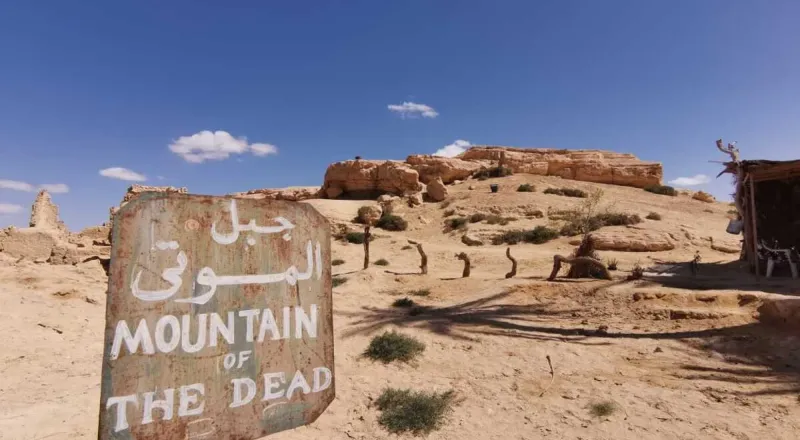
Far from the Nile Valley and Egypt’s iconic pharaonic sites, Siwa Oasis emerges as a sanctuary of peace and authenticity. Nestled deep within the Western Desert, Siwa’s remote geography has preserved its unique character for centuries. The journey to Siwa itself—through endless dunes and salt flats—prepares visitors for a destination untouched by mass tourism. Here, palm-fringed springs, shimmering salt lakes, and mud-brick architecture create an atmosphere of timeless calm. Siwa’s people, primarily of Berber descent, have maintained their own language, customs, and crafts, offering a cultural immersion distinct from the rest of Egypt. Whether you seek restorative wellness, mindful adventure, or a window into traditional desert life, Siwa Oasis delivers a rare sense of peace. For those interested in exploring more of Egypt’s hidden gems, consider reading A Guide To Egypt’s Oases: Siwa, Bahariya, Farafra, Dakhla, Kharga.
What Makes Siwa Oasis So Peaceful?
Siwa’s reputation as Egypt’s most peaceful destination is rooted in its isolation. Located nearly 600 km from Cairo and close to the Libyan border, the oasis is shielded by vast swathes of the Great Sand Sea. Unlike the busy archaeological sites of Luxor or the lively markets of Cairo, Siwa remains largely untouched by crowds. The pace of life is unhurried, with daily rhythms shaped by the sun, the seasons, and ancient traditions. Visitors are greeted by the silence of the desert, broken only by the rustle of palms or the splash of water in natural springs. For travelers seeking a deeper understanding of traditional desert life, How To Experience Authentic Bedouin Culture In Egypt provides further insight.
Natural Wonders: Salt Lakes, Springs, and Palm Groves
Siwa’s landscape is a tapestry of natural beauty. The oasis is dotted with crystal-clear springs—like Cleopatra’s Pool—where travelers can swim in pure, mineral-rich water. Vast salt lakes, such as Lake Siwa and Lake Zeitoun, shimmer in the desert sun, their high salinity allowing effortless floating and offering therapeutic benefits. The palm groves and olive orchards not only provide shade and sustenance but also contribute to the oasis’s lush, tranquil ambiance. For those drawn to nature, Egypt’s Most Beautiful Desert Trails highlights more serene escapes across the country.
Ancient Heritage: Temples and Ruins
Siwa’s history stretches back millennia, with archaeological sites that evoke the mysteries of the ancient world. The Temple of the Oracle of Amun, where Alexander the Great famously sought prophecy, stands as a testament to Siwa’s spiritual legacy. Shali Fortress, built from kershef—a mixture of salt and mud—dominates the old town, its weathered ramparts offering panoramic views at sunset. Exploring these sites is a quiet, contemplative experience, far removed from the crowds at Egypt’s major monuments. For a broader look at Egypt’s UNESCO World Heritage sites, see Top Wildlife Experiences In Egypt.
Siwa’s Distinct Culture and Hospitality
The oasis is home to the Siwi people, whose Berber roots set them apart from Egypt’s Arab majority. Siwi language, traditional dress, and unique festivals create a vibrant cultural tapestry. Hospitality is central to Siwan life—guests are welcomed with dates, tea, and genuine warmth. Artisans craft intricate silver jewelry and embroidered textiles, while local cuisine features olives, dates, and hearty stews. Visitors interested in Egypt’s diverse cultural scene may enjoy Festivals & Events In Egypt Throughout The Year for more inspiration.
Wellness and Mindful Retreats in Siwa
Siwa’s peaceful setting makes it a sought-after destination for wellness travel. The high-salinity lakes are renowned for their therapeutic qualities, and several eco-lodges offer yoga, meditation, and holistic treatments using local herbs and minerals. Sand bathing, a traditional therapy for joint and muscle pain, is practiced in the summer months. The absence of light pollution also makes Siwa ideal for stargazing and digital detox retreats. For a practical guide to sustainable travel, see Eco-Friendly Ways To Travel Egypt.
Siwa Oasis: Activities for the Soul
Peace in Siwa does not mean inactivity. Visitors can explore the dunes by 4x4 or camel, cycle through date palms, or camp under the stars in the Great Sand Sea. Birdwatching, salt lake swimming, and visits to the oasis’s ancient tombs offer quiet, contemplative adventures. For those interested in camping, Siwa Oasis Camping Guide: Prices, Activities & What To Expect is an essential resource.
Local Life: Markets and Daily Rhythms
Siwa’s central market is a hub of daily life, where locals trade olives, dates, and handicrafts. Bargaining is part of the experience, and visitors can learn more about this tradition in A Beginner’s Guide To Haggling In Egyptian Markets. The market is also a window into Siwa’s slow, harmonious rhythms, where time seems to stretch and soften amid the desert calm.
When to Visit Siwa for Maximum Peace
Siwa is most tranquil outside of national holidays and peak travel periods. The oasis hosts its own unique festivals, such as the Siwa Date Festival, which are intimate and rooted in local tradition. Travelers seeking solitude should avoid Egyptian public holidays, as domestic tourism increases during these times. To understand how Egyptian celebrations may affect your visit, explore What It’s Like To Visit Egypt During Eid and What It’s Like To Celebrate Ramadan In Egypt.
Climate and Seasonal Considerations
Siwa’s desert climate means hot summers and mild winters. The oasis is especially peaceful in the cooler months, from October to April, when outdoor exploration is most comfortable. Summer brings intense heat, but also the opportunity for sand bathing and fewer visitors. For tips on navigating Egypt’s climate, see How To Travel Egypt During The Summer Heat.
Practical Tips for a Peaceful Siwa Experience
Reaching Siwa requires planning, as the oasis is accessible via long road journeys from Cairo or the Mediterranean coast. The remoteness contributes to its peacefulness, but also means limited infrastructure compared to Egypt’s main tourist hubs. Visitors should book accommodations in advance and be prepared for basic amenities in some eco-lodges. Most travelers find the journey part of the adventure, with the reward being the oasis’s unmatched tranquility. For advice on avoiding crowds at popular sites elsewhere in Egypt, consult How To Visit Egypt During Peak Season Without Crowds.
Responsible Travel in Siwa
Respect for Siwa’s unique culture and fragile environment is essential. Dress modestly, ask permission before photographing locals, and support community-run lodges and guides. Siwa’s eco-friendly ethos is evident in its mud-brick architecture and sustainable farming practices. For more on responsible travel, How To Avoid Tourist Scams In Khan Al-Khalili offers useful tips for navigating Egyptian destinations with respect and awareness.
Frequently Asked Questions
Is Siwa Oasis safe for solo travelers?
Siwa Oasis is considered safe for solo travelers due to its small, close-knit community and low crime rate. As with any remote destination, travelers should exercise standard precautions and respect local customs.
What is the best time of year to visit Siwa Oasis?
The best time to visit Siwa Oasis is from October to April, when temperatures are milder and outdoor activities are most enjoyable. Summer months can be extremely hot, but offer unique wellness experiences like sand bathing.
How do I get to Siwa Oasis from Cairo?
Travelers can reach Siwa Oasis from Cairo by taking a bus or private car to Marsa Matrouh and then continuing by road to Siwa. The journey is long but offers scenic desert landscapes along the way.
Are there eco-friendly accommodation options in Siwa?
Siwa Oasis offers several eco-friendly lodges built from local materials and operated with sustainable practices. These accommodations provide a peaceful, immersive experience in harmony with the oasis environment.
Can I swim in the salt lakes of Siwa Oasis?
Yes, swimming in Siwa’s salt lakes is a popular activity. The high salinity allows for effortless floating, and the mineral-rich waters are believed to have therapeutic benefits.