
The Crystal Mountain
The Crystal Mountain in Egypt: Nature’s Hidden Gem of Sparkling Wonder
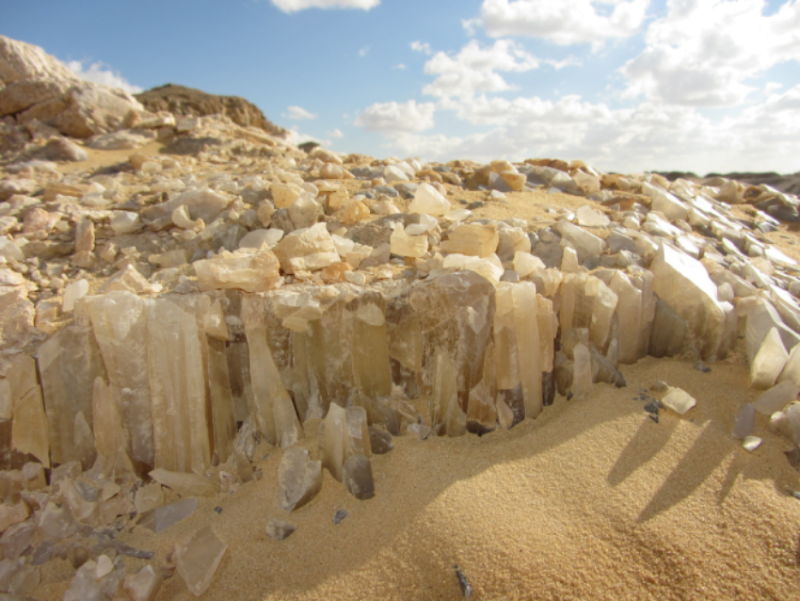
Nestled between the magical dunes of the Western Desert and the serene landscapes of the Farafra Oasis, the Crystal Mountain in Egypt is a geological masterpiece that seems to have sprung straight from the imagination. Its glittering façade, made of shimmering quartz and calcite crystals, captures the sunlight and scatters it into radiant hues that dance across the desert. This natural wonder, often called the 'jewel of the desert,' stands as a breathtaking midpoint between the Bahariya Oasis and the Farafra Oasis, two of the most captivating destinations for desert explorers.
Unlike the man-made temples and tombs that define Egypt’s ancient history, the Crystal Mountain offers a glimpse into nature’s artistry—a phenomenon sculpted over millions of years. Travelers often describe their first sight of the mountain as mesmerizing; the sunlight reflecting off its crystal-covered surface creates an almost otherworldly glow. Formed from a natural upthrust of limestone mixed with quartz, the site is a geological treasure and one of Egypt’s most photogenic destinations. For adventurers, photographers, and geology enthusiasts, it’s an essential stop on any Egypt Desert Tours itinerary.
In this guide, we’ll uncover the fascinating origins of the Crystal Mountain, explore its location in Egypt’s Western Desert, reveal what makes it such a must-visit attraction, and share practical tips for those planning to experience its crystal-studded magic firsthand. Whether you're on a photography expedition, an eco-travel adventure, or simply yearning to witness one of Egypt’s hidden jewels, the Crystal Mountain promises an unforgettable journey across timeless sands.
Location and Geological Formation of the Crystal Mountain
The Crystal Mountain lies between Bahariya and Farafra, approximately 120 kilometers from the Bahariya Oasis. It stands proudly along the highway that connects these two oases, near the edge of the White Desert of Egypt. This area belongs to the Farafra depression, an ancient landscape that’s part of Egypt’s vast Western Desert system. The mountain is relatively small compared to the surrounding dunes, but its crystalline brilliance makes it distinct from all other formations nearby.
The Crystal Mountain owes its existence to volcanic activity and the sedimentary processes that shaped the region millions of years ago. Geologists believe that hydrothermal fluids rich in minerals infiltrated cracks in the limestone bedrock, forcing quartz and calcite crystals to form and solidify over time. The result? A natural arch glittering with translucent gems. The mountain’s surface glistens under the desert sun, transforming from golden hues in the morning to fiery reds and silvery blues at dusk.
Why the Crystal Mountain Is Called the Jewel of the Desert
When travelers approach the Crystal Mountain, they often find themselves speechless. The entire formation sparkles like a field of diamonds under the blazing Egyptian sun. Locals affectionately refer to it as 'the jewel of the desert' because of its radiant beauty and unique geological composition. Unlike ordinary rocky outcrops, the mountain’s surface is covered with natural crystal clusters—some large enough to reflect light across meters of sand. This spectacle makes it a beloved stop for tourists exploring eco tours in Egypt and geology enthusiasts tracing Earth’s natural history.
The Crystal Mountain and Its Connection to the White Desert
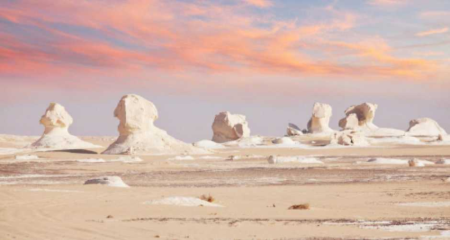
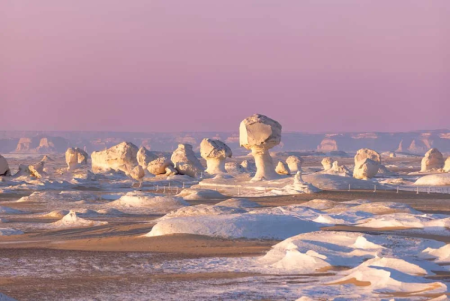
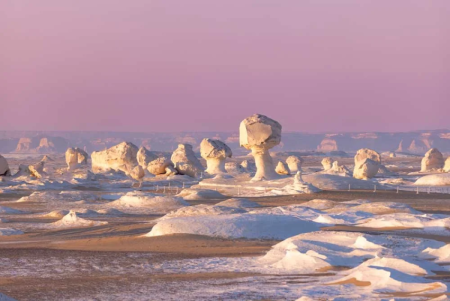
The Crystal Mountain serves as a natural gateway to the iconic White Desert. As travelers drive through the arid landscape, they transition from the shimmering crystals of the mountain to the chalky formations of the White Desert—a region famous for its surreal limestone sculptures. The proximity between these landmarks creates a seamless experience that blends geology, history, and adventure. Many Egypt Excursions include both sites on the same desert safari, allowing visitors to witness two contrasting yet equally mesmerizing wonders within a single day.
The White Desert’s pillowy formations, shaped by centuries of desert winds, resemble art installations scattered across the horizon. In contrast, the Crystal Mountain stands as a solid, glittering monument to the Earth’s mineral wealth. Together, they form one of Egypt’s most photogenic and unforgettable landscapes—a paradise for travelers hungry for both science and beauty.
How to Reach the Crystal Mountain
Getting to the Crystal Mountain is an adventure in itself. Most travelers embark from the Bahariya Oasis, heading south towards Farafra. The drive takes about two hours by 4x4 vehicle, following a route that passes through captivating sand dunes and ancient fossil beds. The journey offers a rare chance to experience the breathtaking isolation of Egypt’s Western Desert, where silence reigns and the land stretches endlessly in all directions. Many prefer to combine this trip with visits to the Egypt Vacations Packages that include extended stays at the desert oases.
Best Time to Visit the Crystal Mountain
The ideal time to explore the Crystal Mountain is between October and April, when the desert climate is pleasantly mild. During these months, daytime temperatures hover between 20°C and 30°C, making it perfect for sightseeing and photography. Avoid the scorching summer months, as the desert heat can rise above 45°C, making outdoor exploration challenging. Visitors should plan their trips early in the morning or late afternoon when the sunlight enhances the mountain’s dazzling reflections.
Photography Tips for Capturing the Crystal Mountain
The Crystal Mountain is one of Egypt’s most photogenic locations, and the key to capturing its brilliance lies in timing. The golden hour—just after sunrise or before sunset—casts a warm glow that brings out the mountain’s amber and gold tones. Photographers should use polarizing filters to minimize glare from the reflective quartz surfaces. A wide-angle lens helps capture the mountain within the vastness of the desert, contrasting its sparkling textures against the endless sky. For night photographers, the lack of light pollution in the region makes it ideal for stargazing and astrophotography—another reason why the Crystal Mountain ranks among Egypt’s hidden gems.
Adventure Tourism and Activities Around the Crystal Mountain
For adventure seekers, a trip to the Crystal Mountain is more than sightseeing—it’s an immersion into one of Earth’s most spectacular deserts. Travelers can combine their visit with sandboarding, dune bashing, and desert camping. Many choose to spend the night under the stars, near the White Desert National Park, where the Milky Way paints the sky in breathtaking clarity. Combining the Crystal Mountain with the White Desert National Park Egypt offers one of the most authentic eco-adventure experiences in the country.
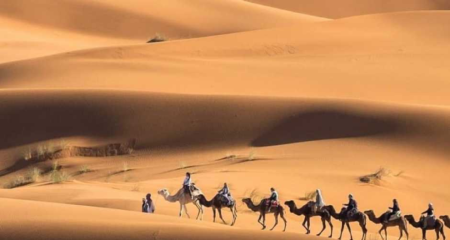
Local guides often narrate the stories of ancient caravans that once crossed these lands, connecting the oases and bringing trade goods between Egypt and sub-Saharan Africa. The silence, broken only by the whisper of wind, gives visitors a glimpse into the timelessness of the desert—a world unchanged for millennia.
Nearby Attractions to Explore
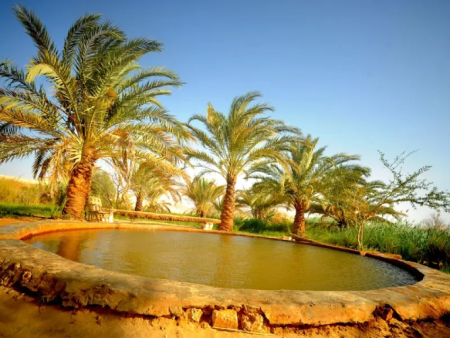
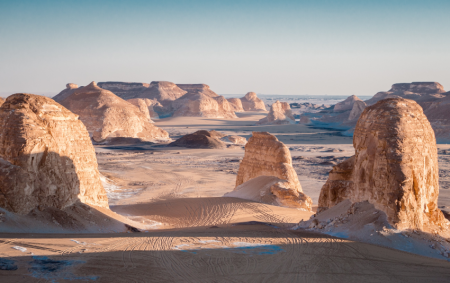
Beyond the Crystal Mountain, travelers can explore several remarkable nearby destinations. The Bahariya Oasis, known for its palm groves and therapeutic hot springs, offers a relaxing contrast to the desert’s rugged beauty. The Valley of Agabat, located just a short drive away, is another surreal site where towering rock formations rise dramatically against golden sands. Together, these natural wonders create a remarkable itinerary for those seeking Egypt’s lesser-known marvels, far from the crowded monuments of the Nile Valley.
Local Culture and Desert Communities
The small communities living near Bahariya and Farafra oases maintain a lifestyle deeply connected to the desert. Visitors are often welcomed with traditional Bedouin hospitality—sharing mint tea around the campfire as stories of the desert unfold. Many desert camps are eco-friendly, promoting sustainable tourism that respects the fragile environment surrounding the Crystal Mountain. This cultural authenticity transforms a simple trip into a meaningful exploration of Egypt’s living heritage.
The Allure of the Crystal Mountain for Modern Travelers
In recent years, the Crystal Mountain has gained global attention thanks to social media and the growing popularity of sustainable adventure travel. Unlike Egypt’s famed monuments such as the Great Pyramids of Giza, this site offers a serene and less commercialized experience. It’s a place where travelers can reconnect with nature, marvel at geological wonders, and witness the desert’s silent grandeur. Many visitors describe it as a 'living museum'—a natural exhibit of Earth’s artistry, shaped by time and untouched by human hands.
Safety and Travel Tips for Visiting the Crystal Mountain
Although the Crystal Mountain is remote, it’s accessible with proper planning. Always travel with a licensed guide familiar with desert conditions, and ensure your vehicle is equipped for off-road driving. Carry plenty of water, sunscreen, and protective clothing. Never attempt to climb or remove crystals, as the site is protected and should remain undisturbed. Those booking through reputable agencies offering Egypt Travel Packages or Egypt Nile Cruises can often include customized desert extensions that make logistics seamless.
Frequently Asked Questions About the Crystal Mountain
1. Where is the Crystal Mountain located?
The Crystal Mountain is located in Egypt’s Western Desert, between the Bahariya and Farafra oases. It’s approximately 350 kilometers southwest of Cairo and lies near the entrance to the White Desert National Park.
2. What makes the Crystal Mountain unique?
The mountain’s surface is covered in natural quartz and calcite crystals that reflect sunlight, creating a dazzling, jewel-like effect. It’s one of the few places on Earth where such a natural crystal outcrop is exposed on the surface, making it both geologically rare and visually stunning.
3. How was the Crystal Mountain formed?
The Crystal Mountain formed millions of years ago when hydrothermal fluids carrying minerals like quartz and calcite penetrated the limestone bedrock. Over time, these minerals crystallized and solidified, resulting in the sparkling structure seen today.
4. Is it safe to visit the Crystal Mountain?
Yes, visiting the Crystal Mountain is safe when done with an experienced guide or as part of an organized tour. Travelers should respect the natural environment, avoid removing crystals, and prepare adequately for the desert conditions.
5. Can I visit the Crystal Mountain as part of a tour?
Absolutely. Most desert safari tours from the Bahariya Oasis or Farafra include the Crystal Mountain in their itineraries. It’s often combined with visits to the White Desert, Valley of Agabat, and nearby oases—providing a full-day or overnight adventure through Egypt’s most enchanting desert landscapes.
Our Partners
Our Awesome Partners