

The white desert of Egypt
The White Desert of Egypt: A Mesmerizing Wonderland of Chalk Formations and Timeless Beauty
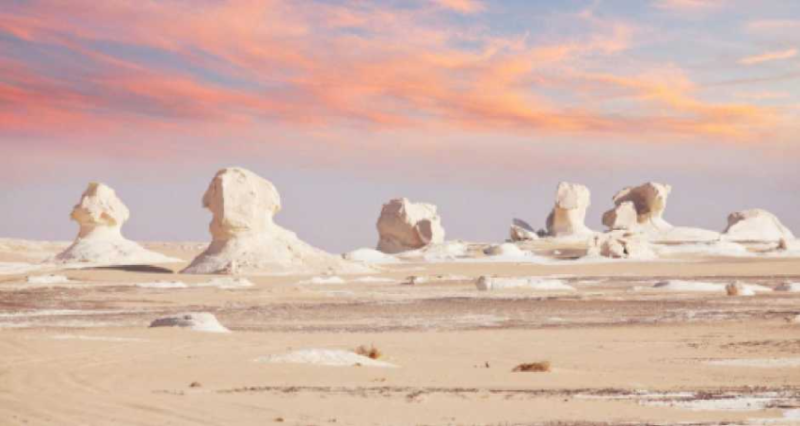
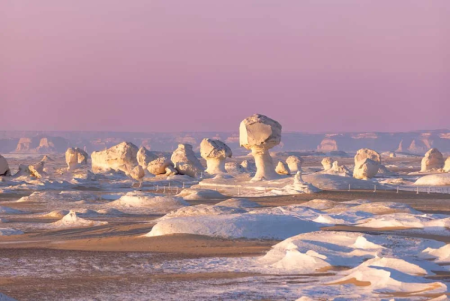
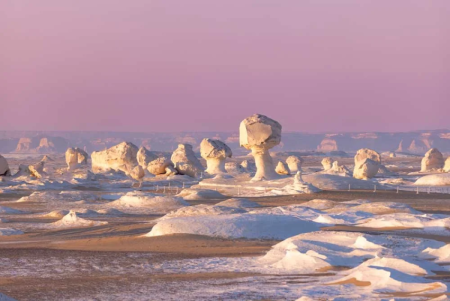
Imagine a place where the earth glows ivory under the blazing sun, and surreal formations rise from the sand like frozen waves. The White Desert of Egypt, located between the Bahariya and Farafra oases, is one of the most extraordinary landscapes on Earth. Known locally as 'Sahara el Beyda,' this natural masterpiece captures the imagination of travelers, photographers, and adventurers alike. The white chalk formations, sculpted by wind and time, appear almost otherworldly—some resembling giant mushrooms, birds, or even icebergs stranded in a sea of golden dunes. As the sun sets, the desert transforms into a dreamscape of pastel hues, reflecting the soft colors of dusk in a way that feels almost magical.
Beyond its captivating beauty, the White Desert holds geological and historical significance. It’s not merely a barren land; it’s a living museum of Earth’s ancient past. The area was once submerged under a prehistoric sea millions of years ago, leaving behind marine fossils and limestone deposits that later formed the stunning chalk towers seen today. As part of the larger Farafra Depression, this region stands as a testament to the forces of nature, offering visitors the chance to experience Egypt far beyond its ancient temples and pyramids. For travelers seeking something beyond the ordinary, the White Desert is the epitome of wild serenity and natural wonder—a must-see gem on any comprehensive Egypt Travel Packages.
Where Is the White Desert of Egypt Located?
The White Desert lies about 45 kilometers north of the Farafra Oasis in Egypt’s Western Desert, within the New Valley Governorate. Its proximity to Bahariya Oasis, which serves as the main gateway, makes it a popular route for Egypt Desert Tours. Covering over 3,000 square kilometers, the White Desert National Park was declared a protected area in 2002. The region is part of a vast network of oases, desert valleys, and geological marvels that extend across the Sahara, creating a unique environment where life thrives against all odds. Travelers typically reach the desert via 4x4 vehicles, often stopping at the nearby Bahariya Oasis Egypt to prepare for the adventure ahead.
Geological Formation of the White Desert
The origin of the White Desert’s unique landscape dates back millions of years. The area was once part of a vast ancient seabed known as the Tethys Sea. Over time, marine organisms deposited thick layers of limestone and chalk. As the sea retreated, the exposed layers were sculpted by relentless winds, forming bizarre shapes that now define the desert’s identity. These formations, predominantly made of soft calcium carbonate, shimmer in bright sunlight, giving the desert its iconic white hue. Some of the most famous formations include the Mushroom Rock, the Chicken and Tree formations, and the Ice Cream Cone formation—each a favorite among photographers and explorers. The White Desert’s interplay of light and texture makes it one of the most photogenic places in North Africa.
Wildlife and Ecology in the White Desert National Park
Despite its harsh environment, the White Desert supports a surprising variety of wildlife. The protected zone is home to desert foxes, fennec foxes, sand cats, and several species of gazelles. Bird enthusiasts might spot larks, kestrels, and desert falcons soaring above the dunes. At night, under a blanket of stars, visitors often hear the faint calls of nocturnal creatures moving silently across the sand. The fragile ecosystem has adapted to the desert’s extreme conditions, making it a perfect example of nature’s resilience. Visitors exploring White Desert National Park Egypt quickly realize that this is not a lifeless wasteland—it is a thriving ecosystem shaped by adaptation and endurance.
Top Attractions and Things to See in the White Desert
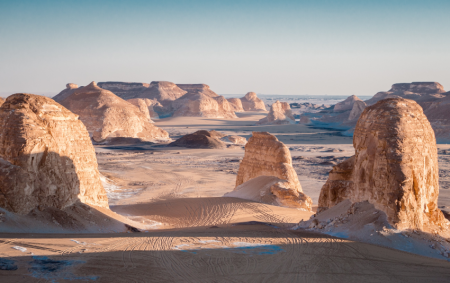
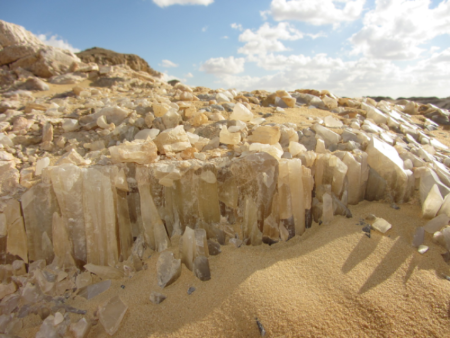
Every corner of the White Desert tells a story. One of the most captivating sights is the Valley of Agabat, a mesmerizing region nestled between Bahariya and Farafra. Known for its rolling dunes and golden rocks emerging from the white sand, it’s an ideal spot for camping and photography. The nearby The Crystal Mountain is another must-visit—its glittering quartz crystals reflect the sunlight like a natural jewel. Further along, the Valley of Agabat offers unparalleled views during sunset, making it a highlight for desert trekkers and photographers seeking the perfect shot.
The Magic of Camping Under the Stars
One of the most rewarding experiences in the White Desert is camping overnight. As evening falls, the desert’s chalky landscape glows under the moonlight, creating an ethereal ambiance. Campers often gather around small bonfires, enjoying traditional Bedouin meals while local guides share tales of desert life. The silence is profound, broken only by the whisper of desert winds. At dawn, the sky bursts into shades of orange and pink, illuminating the surreal terrain in a soft golden glow. For travelers on curated Egypt Excursions, an overnight stay in the White Desert is often described as a once-in-a-lifetime experience.
Best Time to Visit the White Desert
The best time to explore the White Desert is between October and April when daytime temperatures are pleasant and nights are cool. Summer temperatures can soar above 40°C, making activities uncomfortable. During winter, the desert offers crisp air, clear skies, and ideal conditions for stargazing. Many tour operators combine White Desert trips with visits to the nearby oases or historical sites, creating balanced itineraries within comprehensive Egypt Vacations Packages.
How to Reach and Explore the White Desert
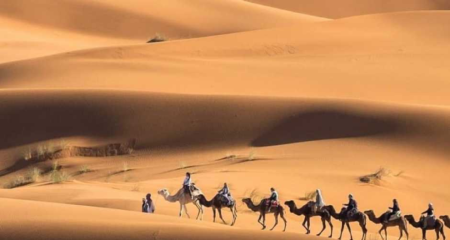
Most travelers start their journey from Cairo, driving about five hours west to Bahariya Oasis, then continuing another hour into the White Desert. Guided safaris in 4x4 vehicles are highly recommended due to the challenging terrain and lack of marked roads. Experienced Bedouin drivers navigate effortlessly through shifting dunes and rocky paths, ensuring safety and local insight. Many tours also include stops at small villages, natural springs, and ancient tombs along the way, providing a glimpse into the desert’s cultural heritage. For those seeking adventure, specialized Egypt Luxury Tours offer private camping setups and gourmet desert meals under the stars.
Photography and Film Appeal of the White Desert
The White Desert’s unique landscape has long attracted photographers and filmmakers from around the world. The interplay between light and shadow across its chalk formations changes dramatically throughout the day, offering endless creative possibilities. Early morning light reveals the desert’s subtle contours, while twilight transforms it into a surreal dreamscape. Many documentaries and travel films have captured the haunting beauty of this region, showcasing why it’s often described as one of Egypt’s most cinematic destinations. It’s a place where nature’s artistry rivals even the grand monuments of the Great Pyramids of Giza.
Preservation Efforts and Responsible Tourism
As one of Egypt’s most fragile ecosystems, the White Desert requires mindful exploration. Authorities have implemented strict regulations to protect its delicate formations and wildlife. Visitors are urged not to climb the chalk structures or leave waste behind. Sustainable tourism plays a crucial role in maintaining the desert’s pristine condition. Local guides, many of them from nearby communities, emphasize eco-friendly practices, ensuring that visitors enjoy the beauty of the desert without disturbing its natural balance. Travelers participating in eco tours in Egypt often cite the White Desert as a model for responsible adventure travel.
Cultural Insights: The Bedouin Way of Life
The desert isn’t just a geological wonder—it’s also home to resilient Bedouin tribes who’ve lived in harmony with this harsh land for centuries. Their resourcefulness and deep respect for the environment are evident in every aspect of their daily life. Visitors have the chance to share tea, learn about traditional crafts, and listen to ancient songs passed down through generations. Engaging with locals not only enriches the travel experience but also supports the community’s sustainable development.
FAQs About the White Desert of Egypt
1. What makes the White Desert of Egypt unique?
The White Desert’s surreal chalk formations, shaped by wind and erosion, make it one of the world’s most visually striking landscapes. Its pure white color contrasts beautifully with the surrounding golden sands, offering unparalleled photographic opportunities.
2. How do I get to the White Desert from Cairo?
The most common route is a five-hour drive from Cairo to Bahariya Oasis, followed by a guided 4x4 journey into the White Desert. Many travelers book organized tours for safety and convenience, often through professional desert safari operators.
3. Is it safe to camp overnight in the White Desert?
Yes, camping is safe when done with licensed guides. The area is protected and monitored, and local Bedouins ensure a secure and authentic experience. Visitors should pack warm clothes, as desert nights can get chilly.
4. What should I pack for a trip to the White Desert?
Light, breathable clothing for daytime, warm layers for night, sturdy shoes, sunscreen, and a camera are essentials. Always bring extra water and follow your guide’s advice for a comfortable and safe trip.
5. Can I combine a visit to the White Desert with other destinations in Egypt?
Absolutely! Many travelers pair their White Desert journey with visits to the Fayoum City, Siwa Oasis, or even cultural tours through Cairo and Luxor. These combinations offer a comprehensive view of Egypt’s natural and historical diversity.
The White Desert of Egypt remains a place of wonder—a vast, silent cathedral carved by time and nature. Its beauty is timeless, its solitude profound. For those who venture across its alabaster sands, it offers not just a journey through the desert, but a journey into the soul of Egypt itself.
Our Partners
Our Awesome Partners