

Valley of Agabat
Valley of Agabat: The Hidden Gem of Egypt’s White Desert
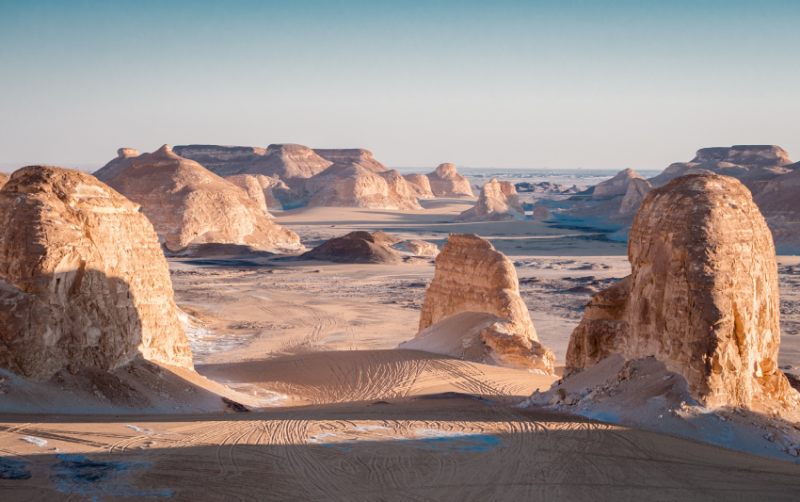
Nestled deep within Egypt’s Western Desert, the Valley of Agabat stands as one of the most captivating natural wonders on Earth. Known for its surreal rock formations, golden sands, and dramatic landscapes, this valley captures the essence of Egypt’s raw, untouched beauty. The Valley of Agabat, often referred to as the ‘Miracle Valley,’ lies between the Bahariya Oasis and the White Desert of Egypt, forming a scenic gateway to one of the world’s most otherworldly landscapes. As travelers step into this valley, they’re greeted by towering limestone cliffs, shimmering white chalk hills, and rolling dunes that seem to dance under the desert sunlight.
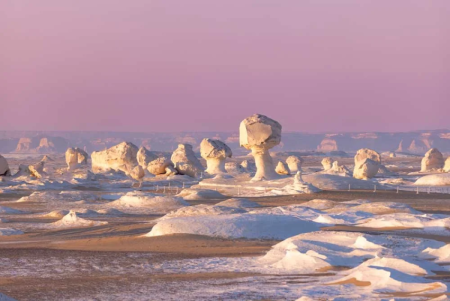
The Valley of Agabat isn’t merely a stopover; it’s a living, breathing masterpiece sculpted by nature over millennia. The unique geological features—sharp ridges, mushroom-shaped formations, and fossilized marine shells—whisper tales of a time when this land was submerged beneath an ancient sea. Today, the valley serves as a haven for adventurers, photographers, and desert enthusiasts seeking an authentic Egyptian escape far from bustling tourist crowds. Whether explored on a thrilling jeep safari or during a tranquil sunrise hike, Agabat Valley offers a soulful connection to the desert’s silence and grandeur.
With its unearthly vistas and spiritual stillness, the Valley of Agabat has become a cornerstone of Egypt Desert Tours, offering a rare blend of adventure, serenity, and history. It’s an irresistible attraction for travelers who crave more than monuments—those who yearn to experience Egypt’s natural heart. In every grain of sand and every curve of rock, the Valley of Agabat tells a story—a story of time, transformation, and timeless beauty.
Discovering the Location and Geography of Valley of Agabat
The Valley of Agabat lies approximately 45 kilometers south of the Bahariya Oasis, serving as a vital stop before entering the White Desert National Park. This remote area stretches across the vast Western Desert, part of the great Sahara that dominates much of North Africa. The valley’s landscape is defined by its golden dunes and chalky white formations that shimmer in the sunlight, forming an ethereal contrast unlike anywhere else in Egypt. The surrounding terrain is a maze of cliffs, plateaus, and sandy depressions, making it an ideal playground for off-road adventures and nature exploration.
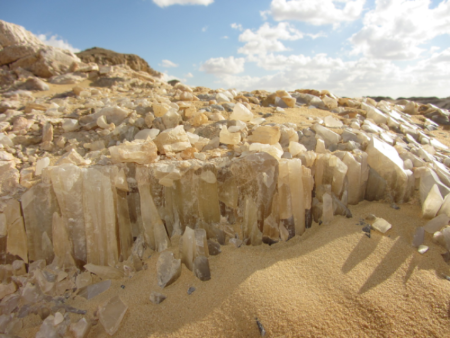
Its geographical uniqueness stems from millions of years of erosion and sedimentation. During prehistoric times, this land was submerged under a warm sea, leaving behind marine fossils, coral formations, and shells embedded within its rocks. Over time, wind and water sculpted these remnants into the mesmerizing shapes we see today. The Valley of Agabat embodies the intersection between geological history and artistic wonder, proving that nature can rival humankind’s most magnificent creations. Its proximity to the Crystal Mountain and the White Desert makes it a crucial part of Egypt’s desert tourism circuit.
Visual Splendor and Geological Wonders
When you first arrive at the Valley of Agabat, the landscape feels almost extraterrestrial. Towering limestone pillars rise abruptly from the ground, surrounded by soft dunes and fossilized coral beds. The stark contrast of golden sand against white rock creates a palette of colors that shift with the light—warm and glowing at sunrise, cool and ghostly under moonlight. The valley’s natural formations, such as the famed “mushroom rocks,” are testaments to the desert’s artistic touch. Visitors often describe the atmosphere as mystical, as though they’ve entered a painting too surreal to be real. It’s no wonder that Agabat is often highlighted in Egypt Luxury Tours for its dreamlike aesthetic and exclusivity.
Adventure and Activities in Valley of Agabat
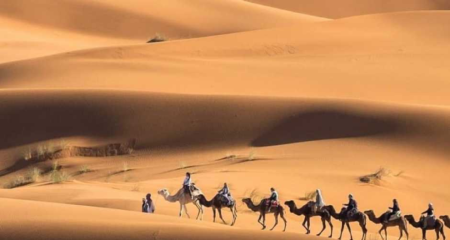
Adventure seekers find endless thrills within the Valley of Agabat. The soft, undulating dunes are perfect for sandboarding and dune bashing. Jeep safaris are the most popular way to explore the area, with skilled Bedouin drivers navigating the challenging terrain at exhilarating speeds. Camping under the stars is another must-do experience. As the sun sets, the valley transforms into a theater of glowing colors, and when darkness falls, the Milky Way stretches across the sky in dazzling clarity. Many travelers combine their visit with stops at the White Desert National Park Egypt and the Crystal Mountain, crafting an unforgettable journey through nature’s masterpieces.
For photographers, the Valley of Agabat is a living dream. Every angle presents a new perspective—shadows stretching over rocks, dunes curving into infinity, and textures that evoke the surface of distant planets. Whether captured by drone or lens, Agabat’s visual poetry never disappoints. The silence of the desert, broken only by the whispering winds, amplifies the spiritual connection many travelers feel in this sacred space.
Best Time to Visit the Valley of Agabat
Timing is everything when it comes to exploring the Valley of Agabat. The ideal months to visit are between October and April, when daytime temperatures are mild and the desert air is comfortably crisp. During summer, the heat can be intense, often exceeding 40°C, making travel challenging. Winter, on the other hand, offers warm days and cool nights—perfect for camping and outdoor activities. Early mornings and late afternoons are the best times for photography, as the low sun casts mesmerizing hues across the landscape. Combining your desert adventure with Egypt Excursions from Cairo or Bahariya ensures a seamless and well-organized journey.
The Cultural and Spiritual Essence of Agabat Valley
Beyond its physical beauty, the Valley of Agabat holds deep cultural and spiritual resonance. Locals believe the valley’s tranquility has healing powers—the silence, they say, cleanses the soul. Bedouin tribes who have inhabited the region for generations consider it sacred ground, often sharing legends passed down through oral tradition. Travelers who spend a night in Agabat often speak of feeling profoundly connected to nature, as if time itself slows down. The simplicity of desert life, guided by stars and firelight, reveals a deeper understanding of existence that modern life rarely offers.
How to Reach the Valley of Agabat
Most visitors access the Valley of Agabat via the Bahariya Oasis, located about 370 kilometers southwest of Cairo. From Bahariya, the journey to Agabat takes approximately two hours by 4x4 vehicle. Adventurous travelers can combine this route with stops at the Black and White Desert Egypt, creating a diverse expedition across contrasting terrains. Organized tours often include expert guides, camping equipment, and meals prepared by Bedouins, ensuring a safe yet immersive desert experience. Some Egypt travel agencies offer private excursions that combine Agabat with iconic destinations like the Great Pyramids of Giza or Siwa Oasis for a broader taste of Egypt’s natural diversity.
Travel Tips for Visiting Valley of Agabat
Preparation is key when venturing into the Valley of Agabat. Carry sufficient water, sunscreen, and protective clothing, as the desert sun can be unforgiving. Night temperatures may drop sharply, so layered clothing is recommended. Always travel with a local guide or through a trusted operator familiar with desert routes. A GPS or satellite phone can be helpful, given the lack of mobile coverage. Visitors should respect the environment by leaving no trace—preserving the pristine beauty that makes Agabat so special. Many travelers enhance their journey by integrating their desert tour with broader Egypt Vacations Packages, ensuring a balance of adventure and comfort.
Why the Valley of Agabat is a Must-Visit Destination
The Valley of Agabat exemplifies Egypt’s lesser-known treasures—landscapes so mesmerizing they rival its ancient temples. Unlike the bustling attractions of Cairo or the Egypt Nile Cruises, Agabat offers solitude and serenity. It’s not just a place to see; it’s a place to feel. The valley invites introspection, awe, and pure appreciation of nature’s artistry. Whether you’re a solo traveler, photographer, or thrill-seeker, Agabat promises an unforgettable chapter in your Egyptian adventure. Its untouched charm and surreal formations prove that Egypt’s magic extends far beyond the Nile and the Pyramids.
FAQs about Valley of Agabat
1. Where is the Valley of Agabat located?
The Valley of Agabat is situated in Egypt’s Western Desert, about 45 kilometers south of Bahariya Oasis and near the White Desert National Park. It lies midway between the Bahariya and Farafra oases, forming part of Egypt’s most scenic desert region.
2. How can travelers reach the Valley of Agabat?
Visitors can reach the valley via a 4x4 vehicle from Bahariya Oasis. Tours typically depart from Cairo to Bahariya, then continue with expert desert guides to Agabat. Many organized trips also include stops at the Crystal Mountain and White Desert.
3. What activities are available in the Valley of Agabat?
Popular activities include jeep safaris, sandboarding, hiking, camping, and stargazing. Photography is a favorite pastime, thanks to the valley’s unique geology and stunning light conditions throughout the day.
4. When is the best time to visit the Valley of Agabat?
The ideal time to visit is between October and April, when temperatures are moderate and conditions are suitable for outdoor exploration. Summer months can be extremely hot, limiting comfort and mobility.
5. Is it safe to travel to the Valley of Agabat?
Yes, it’s safe to travel with a licensed tour operator. The region is well-patrolled and popular among eco-tourists. Always follow your guide’s instructions and travel with sufficient supplies for a secure and enjoyable experience.
Our Partners
Our Awesome Partners