

Saqqara Pyramids
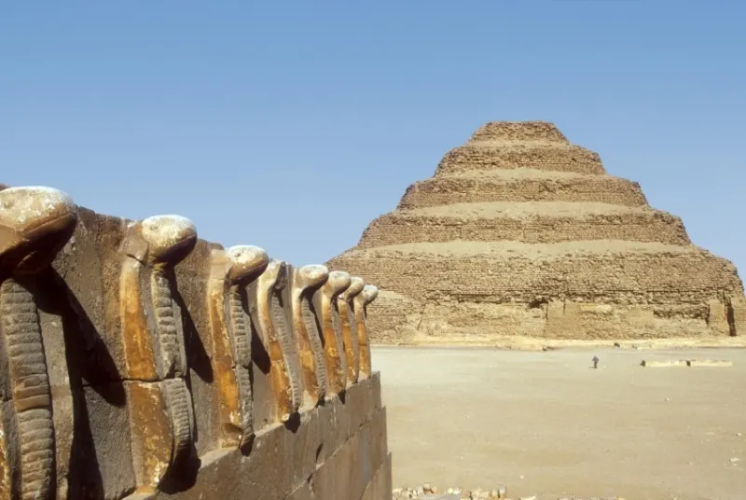
Saqqara Pyramids: The Eternal Stairway to Egypt’s Ancient Legacy
Rising gracefully from the desert sands of ancient Memphis, the Saqqara Pyramids stand as timeless symbols of human ingenuity and spiritual devotion. This site, one of Egypt’s oldest and most mesmerizing necropolises, holds the first monumental stone structure ever built—the Pyramid of Djoser. Unlike the more famous structures at the Great Pyramids of Giza, Saqqara reveals the daring architectural experimentation that gave birth to Egypt’s pyramid age. Spanning more than six millennia, this sacred burial ground served as the final resting place for pharaohs, nobles, and priests, and continues to whisper stories of divine power, eternal life, and artistic brilliance.
The Saqqara Pyramids are often overshadowed by their larger counterparts, yet they embody the very foundation of ancient Egyptian civilization. Constructed during the 27th century BCE for King Djoser of the Third Dynasty, this complex introduced revolutionary design elements—stacked mastabas forming a six-tiered masterpiece that ascends toward the heavens. Saqqara’s importance extends far beyond its architectural triumphs; it’s an open-air museum that displays the full evolution of ancient Egyptian mortuary art, from intricate hieroglyphs to elaborate tomb reliefs. For travelers exploring Cairo Day Tours, visiting Saqqara offers a profound encounter with humanity’s earliest architectural ambition and spiritual depth.
Whether you’re an archaeology enthusiast or a casual adventurer, the Saqqara pyramids invite you to step into a world where myth and history intertwine. This ancient site captures the spirit of a civilization obsessed with eternity—its every stone meticulously placed to ensure kings reached the afterlife. Today, as you wander through the vast sandy plateau, the whisper of wind against limestone seems to echo prayers once offered to the gods. Saqqara isn’t just a historical attraction; it’s a living chronicle of Egypt’s journey toward immortality, a must-visit gem in any Egypt Travel Package.
The History and Significance of the Saqqara Pyramids
Saqqara, located about 30 kilometers south of Cairo city, served as the main cemetery for the ancient Egyptian capital, Memphis. Its sacred grounds chronicle more than 3,000 years of dynastic history, making it one of the world’s oldest and most continuously used burial sites. The name ‘Saqqara’ is thought to derive from ‘Sokar,’ the Memphite god of the dead, emphasizing the necropolis’s spiritual role. Within its sprawling desert landscape lie not only pyramids but also mastabas, temples, and tombs adorned with vivid scenes of daily life, agriculture, and divine worship.
The Step Pyramid of Djoser is the crown jewel of Saqqara and the earliest colossal stone building in history. Designed by the visionary architect Imhotep, this pyramid marked a radical shift from traditional mud-brick tombs to enduring limestone structures. The Saqqara complex also introduced architectural elements that influenced later pyramid designs, including courtyards, ceremonial gates, and underground chambers. Over successive dynasties, Saqqara continued to evolve, housing pyramids of later kings such as Unas, Teti, and Pepi II, each demonstrating distinct artistic and religious advancements that shaped Egypt’s mortuary ideology.
The Pyramid of Djoser: The Birth of Architectural Genius
The Pyramid of Djoser stands at a height of around 62 meters and consists of six stacked layers, each representing a step toward the divine. This innovative design departed dramatically from the flat-roofed mastabas of earlier rulers. Imhotep’s vision was revolutionary—his creation symbolized the pharaoh’s ascension to the afterlife, bridging heaven and earth. Beneath the pyramid lies a labyrinthine network of tunnels and chambers extending more than 5 kilometers, originally intended to protect Djoser’s sarcophagus and funerary treasures. The walls of these subterranean passages are adorned with blue faience tiles, echoing eternal skies and life beyond death.
Visiting the Djoser Pyramid today is a journey through the origins of architectural mastery. The restoration work carried out in recent years has stabilized its structure, reviving the grandeur of an edifice that inspired millennia of pyramid construction. For travelers intrigued by ancient innovation, this site is a must-see highlight, often included in Egypt Luxury Tours for its cultural and historical depth.
Tombs and Temples Surrounding the Saqqara Necropolis
Beyond the Step Pyramid lies the greater Sakkara Necropolis, a treasure trove of tombs belonging to nobles, priests, and officials of various dynasties. Each tomb tells a unique story, with walls richly decorated to depict feasts, hunting expeditions, and daily life scenes. Among the most remarkable sites is the Tomb of Mereruka, revered for its artistic precision and detailed reliefs showing agricultural rituals, music, and family life. The Pyramid of Unas, nearby, is particularly fascinating for containing the first-ever Pyramid Texts—spiritual inscriptions designed to guide the pharaoh through the afterlife.
In addition to pyramids, visitors can explore smaller yet equally compelling structures, including the Serapeum, the burial place of sacred Apis bulls. These massive underground galleries, carved from solid rock, demonstrate the Egyptians’ reverence for animals associated with divine attributes. Walking through these dimly lit corridors, one feels the palpable connection between ancient faith and architectural excellence. Many travelers incorporate a stop here when booking Egypt Excursions that focus on ancient necropolises and temple complexes.
The Art and Inscriptions of Saqqara
One of the most captivating aspects of Saqqara is its unparalleled artistry. The tombs’ walls are vibrant with bas-reliefs and hieroglyphic inscriptions that encapsulate the essence of ancient Egyptian life. These carvings reveal not only religious rituals but also the civilization’s social hierarchy, craftsmanship, and agricultural tributes. The Pyramid Texts discovered here remain the oldest religious writings known to humanity, offering invaluable insights into ancient Egyptian cosmology and belief systems surrounding resurrection and immortality.
Among the standout discoveries are the colorful paintings within the tomb of Ti, a high-ranking official during the Fifth Dynasty. His tomb offers intricate scenes of shipbuilding, farming, and banquets—testimonies of prosperity and devotion. These artistic marvels make Saqqara a living museum, far more than a burial ground. Art historians and adventurers alike find themselves captivated by its preserved beauty, often comparing its artistry to artifacts displayed in the Egyptian Museum of Cairo.
Modern Discoveries and Archaeological Excavations
Saqqara continues to be a focal point for archaeological exploration. In recent decades, new tombs, mummies, and artifacts have been unearthed, shedding light on previously unknown dynasties and burial customs. Stunning discoveries such as the tombs of high-ranking officials from the New Kingdom era and remarkably preserved sarcophagi have made global headlines. These findings reaffirm Saqqara’s status as a dynamic archaeological landscape, still holding countless secrets beneath its sands. Such ongoing discoveries fuel the fascination of Egyptologists and inspire travelers embarking on Egypt Vacations Packages to witness history being rewritten in real time.
Visiting the Saqqara Pyramids Today: Travel Tips and Experiences
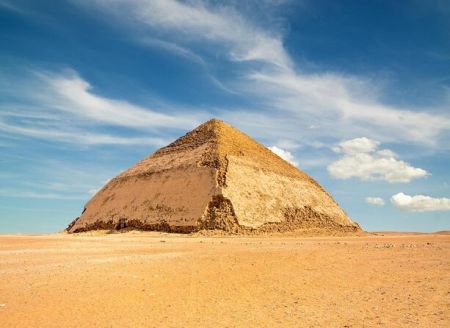
Exploring the Saqqara Pyramids is an unforgettable experience. The site lies just a short drive from Cairo and can easily be combined with trips to Memphis Egypt, the old Egyptian capital or neighboring pyramid fields in Dahshour and Meidum. Early morning visits offer the best lighting for photography and a calmer atmosphere for exploring. Visitors should wear comfortable shoes, bring water, and prepare for the desert’s heat. Local guides enhance the experience by narrating historical anecdotes and pointing out subtle artistic details often overlooked by casual visitors.
Many comprehensive Egypt Nile Cruises or guided multi-day tours include Saqqara as a highlight, ensuring travelers experience the architectural birthplace of pyramid design. The site’s blend of serenity, history, and mystery makes it ideal for history buffs, photographers, and those seeking a deeper connection with Egypt’s soul. As you stand before the Step Pyramid, gazing at its layered silhouette against the golden horizon, it’s impossible not to feel the ancient pulse of eternity itself.
FAQs about the Saqqara Pyramids
1. Where are the Saqqara Pyramids located?
The Saqqara Pyramids are situated about 30 kilometers south of Cairo, near the ruins of ancient Memphis. They form part of a vast necropolis along the west bank of the Nile, serving as the burial ground for Egyptian royalty and nobles for over 3,000 years.
2. Who built the first pyramid at Saqqara?
The Step Pyramid at Saqqara was commissioned by King Djoser of Egypt’s Third Dynasty and designed by his architect, Imhotep. This monument marked a revolutionary leap in construction and established the foundation for later pyramid building.
3. What makes the Saqqara Pyramids unique compared to Giza?
Unlike the smooth-sided pyramids at Giza, the Saqqara Pyramids—especially Djoser’s Step Pyramid—represent the earliest phase of pyramid evolution. They highlight the experimental design that transformed simple mastabas into monumental stone edifices symbolizing the pharaoh’s divine journey.
4. Can tourists visit the inside of the Saqqara Pyramids?
Yes, portions of the Saqqara complex are open to visitors, including sections of the Step Pyramid’s interior and several surrounding tombs. Some areas have restricted access for preservation, but guided tours offer deep insights into their historical and spiritual significance.
5. What’s the best time to visit the Saqqara Pyramids?
The ideal time to explore Saqqara is during Egypt’s cooler months, from October to April. Early mornings or late afternoons provide the best temperatures and lighting conditions, making it perfect for photography and in-depth exploration of this ancient wonder.
Planning your Egypt trip? See our Top Tour to the Giza Pyramids and Saqqara from Port Said.




Our Partners
Our Awesome Partners