

The National Museum of Egyptian Civilization
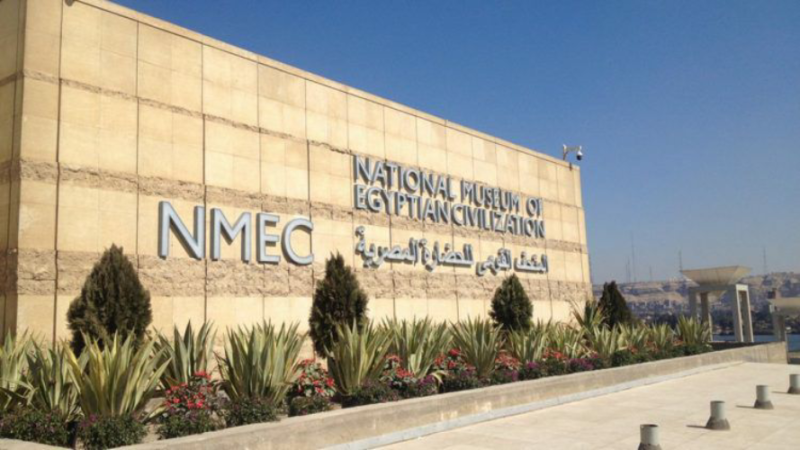
The National Museum of Egyptian Civilization: A Journey Through Egypt’s Timeless Heritage
Perched gracefully in the heart of Fustat, Old Cairo, The National Museum of Egyptian Civilization (NMEC) stands as a living testament to Egypt’s incredible legacy. It’s not just a museum; it’s a complete chronicle of humanity’s grandest civilization. Spanning from prehistoric times to modern Egypt, this institution tells the story of an ever-evolving nation through artifacts, architecture, and immersive experiences. Every room within this cultural gem embodies centuries of innovation, art, and spirituality that shaped global civilization. Visitors often leave with a renewed admiration for Egypt’s enduring influence on world history.
Unlike traditional museums that focus solely on ancient relics, NMEC seamlessly merges antiquity with modern identity. It’s a place where the golden age of Pharaohs meets the artistic brilliance of Coptic, Islamic, and contemporary Egypt. Walking through its galleries, travelers embark on a visual and emotional journey through the stages of Egyptian civilization. With its state-of-the-art exhibits, the museum invites guests to witness the unfolding of human progress across millennia. For those planning their next adventure, exploring NMEC is often combined with Egypt Travel Packages, offering an unforgettable cultural immersion into the heart of Egyptian history.
History and Vision Behind The National Museum of Egyptian Civilization
The concept of NMEC was born out of a national desire to showcase Egypt’s civilization as a holistic narrative rather than fragmented eras. Established under UNESCO’s supervision and government support, its foundation seeks to redefine how the world perceives Egyptian heritage. Construction began in 2002, and after years of meticulous planning, the museum officially opened its doors in 2021. The most iconic moment in its history was undoubtedly the ‘Golden Parade of the Pharaohs,’ a majestic procession that transported 22 royal mummies from the Egyptian Museum of Cairo to NMEC. This event captured global attention, symbolizing Egypt’s rebirth as a guardian of cultural continuity.
The museum’s mission extends beyond preserving artifacts; it aims to instill national pride and foster cross-cultural understanding. Through interactive displays, educational initiatives, and international collaborations, NMEC redefines the museum experience. Its curatorial philosophy is rooted in the idea that civilization is not static—it’s a living, breathing story that continues to evolve. Visitors are encouraged to see how ancient innovations influenced modern life, from architecture and medicine to art and governance.
Architecture and Design: A Fusion of Past and Present
The architectural design of The National Museum of Egyptian Civilization mirrors its purpose—merging the ancient with the modern. Overlooking the serene Ain El-Sira Lake, the structure’s sleek, minimalist façade draws inspiration from the geometry of ancient tombs while embracing contemporary aesthetics. The museum covers approximately 135,000 square meters, making it one of the largest cultural institutions in Africa and the Middle East. Inside, the galleries are arranged chronologically, guiding visitors from prehistoric Egypt to the modern era through carefully curated sections.
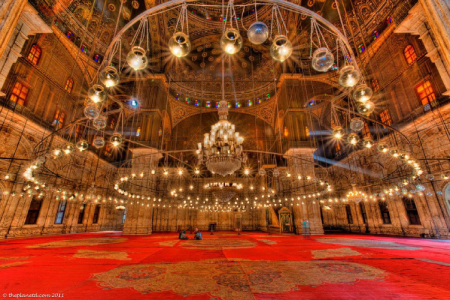
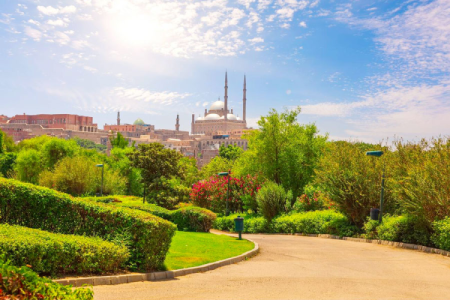
Every detail in the design echoes Egyptian ingenuity. The combination of natural lighting, open spaces, and modern technological integration creates an atmosphere where history breathes. The layout encourages slow exploration, allowing each visitor to absorb the story behind every exhibit. For travelers seeking an architectural delight, NMEC rivals landmarks like The Grand Egyptian Museum and the Alabaster Mosque in blending cultural symbolism with modern brilliance.
The Royal Mummies Hall: A Sacred Encounter with Eternity
Within NMEC, the Royal Mummies Hall remains its most spellbinding attraction. Here, visitors come face-to-face with the preserved remains of Egypt’s ancient kings and queens, including Ramses II, Seti I, and Queen Hatshepsut. The hall is designed to evoke the solemn ambiance of a royal tomb, combining subdued lighting, hushed reverence, and minimalist decor that centers all focus on the eternal residents within.
This immersive experience isn’t merely about viewing mummies—it’s about connecting to the very essence of ancient Egyptian spirituality and their deep respect for life after death. Advanced preservation techniques ensure each mummy remains intact for future generations to study. It’s no wonder visitors leave this hall with goosebumps; standing before a millennium-old pharaoh is nothing short of extraordinary. Those fascinated by ancient burial customs can complement their visit with a trip to The Valley of the Kings, where these royal figures once rested.
Permanent and Temporary Exhibitions: A Living Chronicle
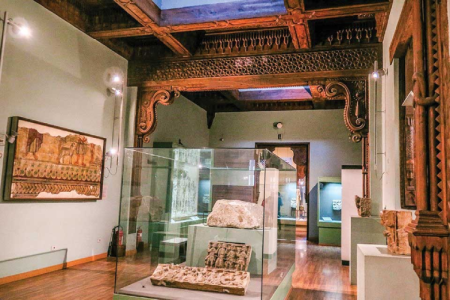
The museum boasts several permanent galleries that chronologically display Egypt’s progress across six key periods: prehistoric, pharaonic, Greco-Roman, Coptic, Islamic, and modern. Each section captures the essence of its era through artifacts, multimedia installations, and interactive storytelling. From tools used by early settlers to intricate jewelry of ancient queens, every item narrates a chapter of human ingenuity.
Equally captivating are the temporary exhibitions that highlight specific cultural themes—such as ancient Egyptian medicine, artistic symbolism, or Ancient Egyptian papyrus art. These rotating exhibits keep the museum dynamic and encourage repeat visits. For researchers, NMEC provides an unparalleled opportunity to study artifacts rarely accessible to the public.
Educational Programs and Cultural Initiatives
NMEC isn’t just a museum—it’s a thriving educational hub. Its mission includes raising awareness about heritage conservation and inspiring the next generation of historians, artists, and archaeologists. The museum hosts workshops, lectures, and school programs designed to make history come alive for students. Interactive learning stations allow children to explore ancient technology, hieroglyphics, and daily life in ancient Egypt. These programs foster curiosity, encouraging visitors to see the continuity between the past and present.
Moreover, NMEC collaborates with international institutions to promote cultural exchange, making it a key participant in global heritage preservation. Tourists engaging in Egypt Excursions often include NMEC as a central stop because it offers a panoramic understanding of Egypt’s contributions to human civilization.
Location and Visitor Experience
Situated in Fustat, the first Islamic capital of Egypt, NMEC offers travelers easy access from major landmarks across Cairo city. The museum’s tranquil setting near Ain El-Sira Lake provides a picturesque backdrop for photography and reflection. Visitors are advised to allocate at least half a day to explore fully, as the vast collection demands time and attention. On-site amenities include cafes, souvenir shops, and guided tours available in multiple languages.
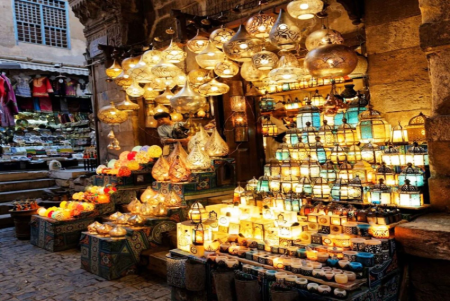
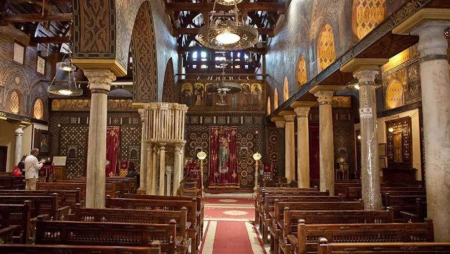
For those planning an extended stay, pairing NMEC with nearby attractions like Coptic Cairo (old Cairo) and Khan al-Khalili Cairo offers a well-rounded experience of Egypt’s layered history. Whether you’re a solo traveler or part of a family group, the museum ensures a seamless blend of culture, comfort, and education.
Why The National Museum of Egyptian Civilization Is a Must-Visit Destination
In an era where digital distractions dominate, NMEC reignites the human desire for connection—with history, identity, and artistry. It’s not just a place to admire relics; it’s a sanctuary where visitors rediscover the soul of Egypt. For history buffs, it’s paradise; for travelers seeking authenticity, it’s a revelation. The museum bridges the gap between Egypt’s glorious past and its vibrant present, inspiring both locals and international guests to cherish the legacy of civilization itself.
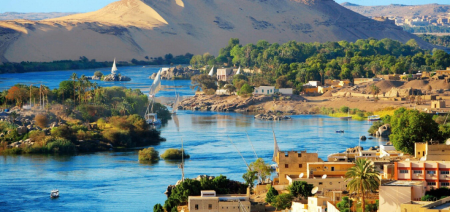
Those embarking on Egypt Nile Cruises often find NMEC a fitting prelude to their journey along The Nile River. Together, these experiences reveal a holistic picture of Egypt—its history, resilience, and eternal beauty. NMEC invites visitors not just to observe but to feel the rhythm of Egyptian civilization pulsing through time.
Frequently Asked Questions About The National Museum of Egyptian Civilization
Where is The National Museum of Egyptian Civilization located?
The museum is located in Fustat, Old Cairo, overlooking Ain El-Sira Lake. Its central position makes it accessible from all major Cairo landmarks, perfect for inclusion in Egypt Vacations Packages.
What are the main highlights of the museum?
The star attraction is the Royal Mummies Hall, featuring 22 ancient pharaohs, including Ramses II and Queen Hatshepsut. Other highlights include the chronological galleries, temporary exhibitions, and educational programs.
How much time should I spend at NMEC?
Visitors typically spend 2–4 hours exploring the museum’s extensive exhibits. To fully appreciate the experience, plan a half-day visit and enjoy the lakeside surroundings afterward.
Can I take photos inside the museum?
Photography is allowed in most sections, except for the Royal Mummies Hall to preserve delicate materials. Always check for updated guidelines upon arrival.
What are the opening hours and ticket prices?
The museum is open daily, usually from 9:00 AM to 5:00 PM, though hours may vary during holidays. Ticket prices are affordable, with discounts for students and residents. It’s advisable to purchase tickets in advance, especially during peak seasons or festivals.
Ultimately, The National Museum of Egyptian Civilization stands as a beacon of cultural revival. It celebrates Egypt not just as a historical marvel but as a living civilization still shaping the modern world. Whether you’re drawn by its artifacts, architecture, or emotional resonance, NMEC guarantees an experience that lingers long after you’ve left its sacred halls.


.png)



Our Partners
Our Awesome Partners