

Abu Serga Church
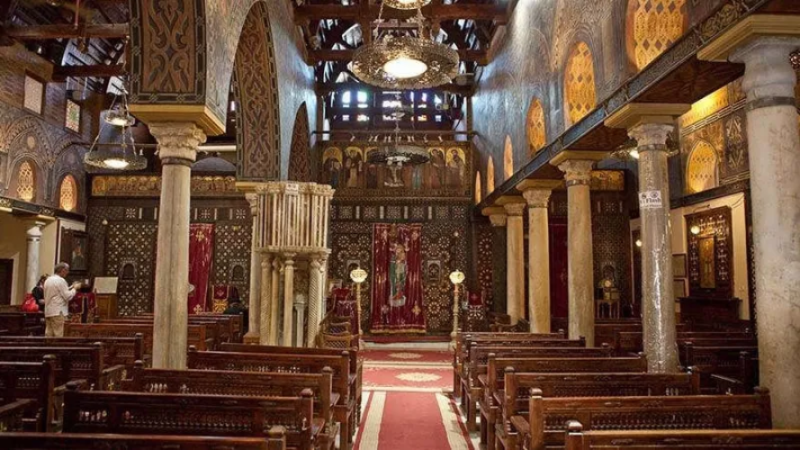
Abu Serga Church: A Timeless Jewel in Coptic Cairo
Hidden within the narrow lanes of Coptic Cairo (old cairo), the Abu Serga Church—also known as Saints Sergius and Bacchus Church—stands as one of Egypt’s oldest and most venerated Christian landmarks. Built over centuries of devotion, it embodies the spiritual and cultural roots of Egyptian Christianity. This sacred site isn’t just an architectural marvel; it’s a profound testimony to faith, endurance, and history. As the scent of incense wafts through its ancient corridors, visitors can almost hear the echoes of prayers whispered for more than 1,500 years. Abu Serga Church offers a captivating experience that blends religion, art, and legend into one unforgettable journey through time.
Located near the remnants of the Babylon Fortress Cairo, this church marks one of the most sacred spots in Egypt’s Christian history. According to Coptic tradition, the Holy Family—Mary, Joseph, and the infant Jesus—found refuge here during their flight into Egypt. It’s believed that the crypt beneath the church sheltered them for several days, transforming Abu Serga into one of the holiest Christian pilgrimage destinations in the Middle East. This blend of faith and history continues to attract travelers who seek to uncover Egypt’s spiritual legacy beyond the grandeur of its ancient temples and pyramids.
For travelers exploring Egypt’s religious heritage, Abu Serga Church is a must-visit. It offers a moment of serenity amid the energetic rhythm of Cairo city, inviting reflection and reverence. Whether you’re fascinated by Coptic architecture, drawn by biblical history, or on a spiritual quest, this church delivers a rare glimpse into the soul of ancient Christianity in Egypt. Its significance ties seamlessly into the Holy Family Trail—a route linking sacred sites visited during their Egyptian journey, making Abu Serga a cornerstone of Egypt’s living faith and enduring cultural identity.
The Historical Origins of Abu Serga Church
Dating back to the 4th or 5th century AD, Abu Serga Church ranks among the oldest surviving churches in Egypt. Dedicated to Saints Sergius and Bacchus, two Roman soldiers who were martyred for their Christian faith, it was built at a time when Christianity began to flourish under Byzantine rule. The church’s foundation rests upon layers of history, from Roman ruins to Coptic sanctuaries, representing the evolution of Egypt’s religious landscape.
The church was constructed over a Roman fortress tower, a reminder of the empire’s presence in ancient Egypt. Here, early Christians gathered secretly to worship, away from persecution. Over time, this space evolved into a revered holy site. The crypt beneath the main altar, where the Holy Family is believed to have stayed, remains one of the most spiritual places in all of Egypt. During the annual Feast of the Holy Family, Copts from across the country gather to pray within this sacred chamber, reaffirming their enduring connection to the divine journey that once passed through Egypt’s heart.
Architectural Brilliance and Coptic Symbolism
The architecture of Abu Serga Church follows the traditional basilica style, showcasing the elegance of early Coptic design. Three wooden domes crown the nave, flanked by graceful arches and intricate carvings. The ceiling, constructed from dark cedar wood, evokes the hull of Noah’s Ark—a symbol of salvation in Christian theology. The sanctuary’s marble columns, adorned with Corinthian capitals, highlight the seamless blend of Roman influence and Egyptian artistry.
The church’s wooden screen, or iconostasis, separates the nave from the altar and features exquisite icons of Christ, the Virgin Mary, and various saints. These icons, painted in the distinct Coptic style with large, soulful eyes, convey deep spiritual introspection. Each corner of Abu Serga reveals a story—whether it’s the ancient frescoes, the geometric floor mosaics, or the faint remnants of early Christian inscriptions carved into the walls. The combination of reverence and craftsmanship transforms Abu Serga into a living museum of Coptic devotion.
The Sacred Crypt: Sanctuary of the Holy Family
Perhaps the most revered part of Abu Serga Church is the underground crypt, approximately six meters below ground level. Visitors descend into a dimly lit chamber where, tradition holds, the Holy Family rested during their flight into Egypt. The crypt’s low ceiling and stone walls create an atmosphere of solemn reverence. A small marble altar stands at the center, surrounded by icons illustrating the Holy Family’s journey. When the Nile’s water levels rise, the crypt often floods, symbolizing the eternal cycle of purification and renewal.
This holy chamber connects directly to the heart of Christian faith in Egypt. Pilgrims come here seeking blessings, and many describe an overwhelming sense of peace upon entering. The crypt’s preservation over centuries underscores the unwavering dedication of Egypt’s Coptic community to protect their sacred heritage. Just steps away from bustling streets, this tranquil subterranean space offers a profound contrast—a quiet refuge of faith amidst the noise of modern life.
Abu Serga Church and Its Role in Coptic Christianity
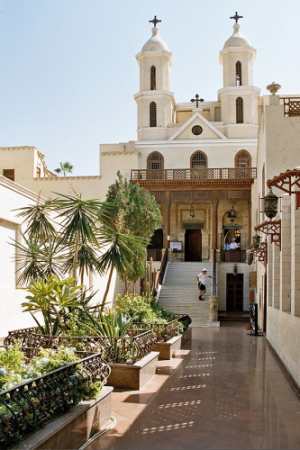
Abu Serga Church holds a pivotal place in the history of the Coptic Orthodox Church. It served as the seat of several patriarchal elections between the 11th and 14th centuries, reflecting its importance as a spiritual and administrative center. Its proximity to other prominent landmarks, such as the Hanging Church and The Coptic Museum, creates a sacred triangle where Coptic heritage thrives in harmony.
Throughout history, Abu Serga has survived earthquakes, floods, and invasions, standing resilient as an emblem of faith. The church’s endurance mirrors the resilience of Egypt’s Coptic population, who’ve preserved their traditions through centuries of change. Today, it remains an active place of worship, hosting masses, baptisms, and special ceremonies that draw both locals and travelers seeking spiritual connection.
Exploring Abu Serga Church Today
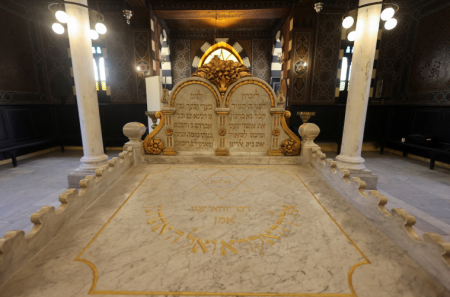
Visiting Abu Serga Church feels like stepping into a living chronicle of biblical history. The site is easily accessible within the Coptic Quarter, close to other religious sites such as the Ben Ezra Synagogue and the ruins of ancient monasteries. Most tours of Cairo Day Tours include a stop here, giving visitors a chance to absorb its quiet majesty firsthand.
Inside, soft candlelight illuminates the icons, casting golden reflections across the marble floor. The air is heavy with incense, and the rhythmic chants of Coptic hymns echo through the halls. Guides narrate stories of the Holy Family, while pilgrims kneel in prayer, adding to the atmosphere of deep devotion. For those traveling through Egypt’s historical and spiritual landscapes, combining a visit to Abu Serga Church with an exploration of Egypt Nile Cruises or broader Egypt Travel Packages creates a journey steeped in history and wonder.
Religious Significance and Biblical Connection
Abu Serga’s association with the Holy Family places it among the holiest Christian sites outside the Holy Land. The Gospel of Matthew narrates their flight from King Herod’s wrath, leading them to Egypt—a safe haven that welcomed them with open arms. Coptic tradition meticulously preserves this sacred journey, and Abu Serga stands as a cornerstone of that narrative. Every year, during the Feast of the Holy Family in June, the church becomes a focal point for thousands of worshippers celebrating the miracle of divine protection.
In addition to its biblical ties, Abu Serga also symbolizes Egypt’s role as a sanctuary of peace and coexistence. Over centuries, Muslims and Christians alike have respected this sacred site. This interfaith reverence highlights Egypt’s unique spiritual harmony, woven deeply into its cultural fabric. Today, the church remains an integral stop on the official Holy Family Trail endorsed by Egypt’s Ministry of Tourism and Antiquities, inviting pilgrims from across the globe to retrace the footsteps of faith.
Preservation, Restoration, and Modern Recognition
The Egyptian government and the Coptic Church have undertaken extensive restoration efforts to preserve Abu Serga’s structure and artwork. Modern conservation techniques have stabilized its foundations while maintaining the authenticity of its historical elements. Restoration teams have carefully cleaned ancient frescoes, strengthened the crypt’s support walls, and improved lighting to enhance the visitor experience without compromising spiritual ambiance.
These projects are part of Egypt’s broader initiative to promote religious tourism and safeguard its diverse heritage. As global interest in spiritual travel grows, Abu Serga Church has become a centerpiece of Egypt’s religious tourism circuit, drawing curious travelers, historians, and devotees. Its recognition by heritage organizations and its inclusion in national tourism campaigns have positioned it as a must-see destination for those seeking to connect with Egypt’s sacred past.
FAQs about Abu Serga Church
What is the significance of Abu Serga Church in Coptic history?
Abu Serga Church is one of Egypt’s oldest Coptic churches and a vital symbol of Christian heritage. It’s believed to stand above the spot where the Holy Family rested during their flight into Egypt. For Copts, it represents both a place of worship and a living testimony to Egypt’s role in biblical history.
Where is Abu Serga Church located?
The church is situated in the heart of Coptic Cairo, near the ancient Roman fortress of Babylon. It’s within walking distance of other religious sites like the Hanging Church, Ben Ezra Synagogue, and The Coptic Museum, making it easy to explore multiple landmarks in one visit.
Can visitors access the crypt where the Holy Family stayed?
Yes, visitors can descend into the crypt beneath the main altar, although access may be limited during seasonal flooding. The crypt’s atmosphere is serene and deeply spiritual, offering a unique glimpse into one of Christianity’s most revered sanctuaries.
What’s the best time to visit Abu Serga Church?
The church is open year-round, but early mornings or weekdays offer the most peaceful experience. Visiting during the Feast of the Holy Family in June provides an opportunity to witness traditional Coptic celebrations in full grandeur.
How can Abu Serga Church be included in a travel itinerary?
Travelers can easily include Abu Serga in a cultural or religious tour of Cairo. Many Egypt Vacations Packages and specialized Egypt Luxury Tours feature guided visits to the Coptic Quarter, allowing tourists to explore Abu Serga Church alongside other treasures of Egypt’s spiritual and historical landscape.



.png)



Our Partners
Our Awesome Partners