

The Coptic Museum
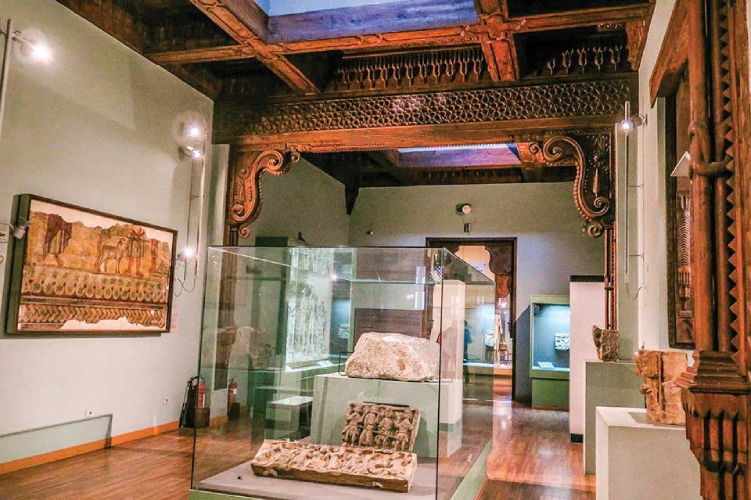
The Coptic Museum in Cairo: A Timeless Treasure of Egyptian Christian Heritage
Hidden within the ancient walls of Coptic Cairo (old cairo), the Coptic Museum stands as one of Egypt's most remarkable cultural landmarks. It’s not merely a museum—it’s a living chronicle of centuries of faith, art, and history, encapsulating the essence of Coptic Christianity that has flourished in Egypt since the dawn of Christianity itself. Established in 1908 by Marcus Simaika Pasha, this extraordinary museum preserves the largest collection of Coptic artifacts in the world. From intricately carved wooden panels to delicate manuscripts, from ancient textiles to luminous icons, the museum narrates the story of Egypt’s spiritual evolution through the lens of its Coptic heritage.
Visitors stepping into its serene courtyards are immediately transported back in time, enveloped by the scent of old stone and the quiet reverence of faith’s endurance. The Coptic Museum is a sanctuary for those who seek to understand the intersection between ancient Egyptian culture and early Christian traditions. Every corridor whispers tales of resilience and devotion, every artifact an echo of bygone centuries that have shaped Egypt’s spiritual identity. For travelers exploring Cairo city, this site is an unmissable stop that bridges the past and present in spectacular fashion.
History and Founding of the Coptic Museum
The origin of the Coptic Museum is deeply tied to Marcus Simaika Pasha’s vision. In the early 20th century, he recognized the urgent need to safeguard Coptic antiquities that were scattered or endangered. With the support of the Coptic Church and numerous donors, he built the museum within the walls of the ancient Babylon Fortress Cairo, a Roman fortification dating back to the 1st century AD. The fortress, long a center of Coptic life, became a fitting home for this repository of faith-based art and artifacts. Officially opened in 1910, the Coptic Museum has since grown into a symbol of Egypt’s multi-layered history, bridging Pharaonic, Greco-Roman, and early Christian influences.
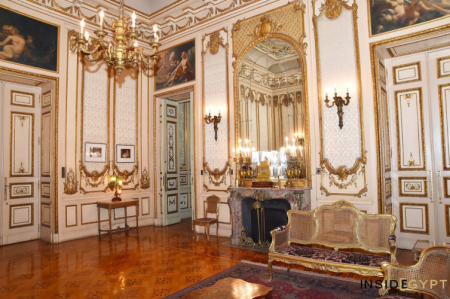
Over the years, the museum underwent several restorations, particularly after the devastating 1992 earthquake that shook Cairo. Each renovation has preserved the integrity of the structure while enhancing the visitor experience. The architectural style itself is a masterpiece of Coptic artistry—wooden lattice screens, geometric motifs, and ornate ceilings echo the designs found in ancient churches scattered throughout Old Cairo. The museum, thus, is as much a work of art as the treasures it houses.
Architectural Beauty and Design Symbolism
The Coptic Museum’s architecture is a harmonious blend of traditional Egyptian and Christian motifs. Its courtyards, arches, and mashrabiyas reflect the artistic genius of Coptic craftsmen. The museum’s layout follows a chronological narrative, guiding visitors through centuries of Coptic evolution. Each hall is designed to immerse you in the atmosphere of the period it represents—from Roman-era relics to Islamic-era artworks influenced by Coptic aesthetics. The wooden ceilings, carved with crosses and lotus flowers, symbolize the merging of ancient Egyptian motifs with Christian symbolism.
As you wander through its halls, one can appreciate how the designs mirror the spiritual philosophy of the Copts—simplicity combined with profound symbolism. The patterns carved into wood and stone represent the eternal connection between heaven and earth, faith and artistry, the divine and the human experience.
The Collections: Windows Into Coptic Civilization
The museum’s vast collection spans over 16 centuries, featuring approximately 16,000 artifacts. These include stone reliefs, frescoes, textiles, manuscripts, pottery, and wooden carvings. Among the most striking highlights are the colorful icons depicting saints and biblical scenes, each lovingly crafted with gold leaf and tempera paint. The museum also houses the famed Nag Hammadi manuscripts, discovered in 1945, which hold gnostic texts providing profound insights into early Christian theology.
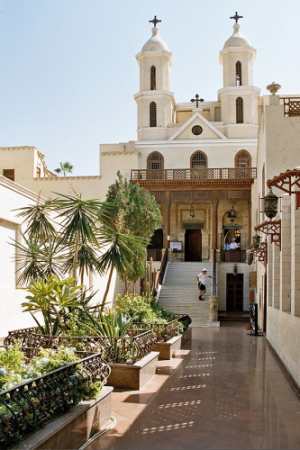
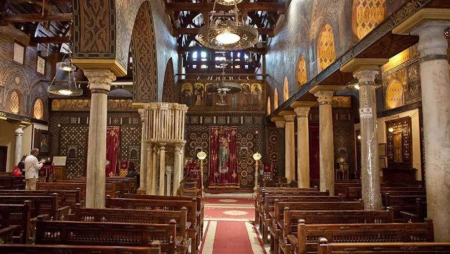
One cannot overlook the Coptic textiles—woven masterpieces that reveal intricate patterns and vivid dyes, often portraying Christian symbols or pastoral scenes. These fabrics, some dating back to the 4th century, demonstrate the artistry and technical sophistication of ancient Egyptian weavers. Many visitors compare the museum’s spiritual intimacy to that of the hanging church nearby, both radiating an aura of divine tranquility.
The Manuscript Wing: Sacred Words Preserved Through Time
The manuscript wing is a sanctuary of wisdom. It preserves ancient biblical texts in Coptic, Greek, and Arabic, many written on parchment and vellum. These manuscripts are crucial for understanding how early Christians in Egypt interpreted scripture and practiced their faith. They also serve as a bridge between the theological heritage of the East and West, offering scholars rare insights into early Christian theology, mysticism, and monastic traditions.
Coptic Icons and Symbolic Art
Coptic icons in the museum are more than art—they’re windows into the divine. The serene expressions, vivid colors, and golden halos represent the intersection of heaven and earth. Each icon tells a story of faith under persecution, of a community’s devotion that endured empires and centuries. The depiction of saints, martyrs, and the Virgin Mary reflects both Byzantine influences and uniquely Egyptian artistic sensibilities.
The Museum’s Role in Preserving Heritage
The Coptic Museum doesn’t only display Egypt’s Christian legacy; it actively preserves it. Through rigorous conservation programs, it safeguards fragile manuscripts, textiles, and artworks from decay. Its collaboration with international institutions underscores its global significance. The museum stands as an educational beacon, enlightening both scholars and casual visitors about the interplay between faith, art, and identity in Egypt’s long history.
Moreover, the museum plays a crucial role in promoting interfaith understanding. By emphasizing the shared cultural roots of Egyptian civilization—from Pharaonic spirituality to Islamic art—it fosters a sense of unity. Its existence reaffirms that Egypt’s cultural wealth stems from diversity and harmony. This spirit is mirrored throughout the region’s remarkable landmarks, including the Egyptian Museum of Cairo and The National Museum of Egyptian Civilization, both of which complement the Coptic Museum’s mission of cultural storytelling.
Visiting the Coptic Museum: What to Expect
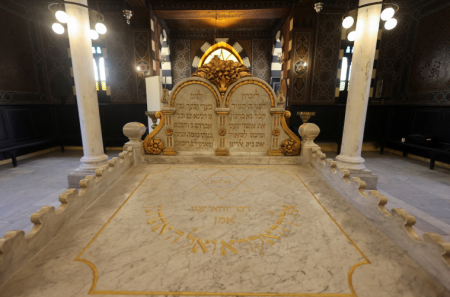
Stepping into the museum offers a tranquil break from the hustle of Cairo. The serene gardens, shaded by palm trees, set the mood for introspection. Inside, the climate-controlled halls maintain the perfect environment for delicate relics. Visitors can follow a well-marked route through chronological galleries, each unveiling a different chapter of Coptic artistry. Guided tours are available, enhancing the experience with in-depth narratives. Pairing a visit here with nearby attractions like Ben Ezra Synagogue and Abu Serga Church paints a vivid picture of religious coexistence that defines Old Cairo.
Ideal Time and Tips for Visitors
The best time to visit the Coptic Museum is from October to April when Cairo’s weather is mild and walking around Cairo Day Tours becomes an absolute pleasure. Early mornings are less crowded, offering a peaceful atmosphere for exploration. Photography is permitted in designated areas, and audio guides are available for those who prefer self-guided interpretation. Pairing your museum visit with a relaxing walk along The Nile River or a stop at Egypt Vacations Packages itinerary will make your journey even more enriching.
The Spiritual and Cultural Impact of the Coptic Museum
Beyond its artifacts, the Coptic Museum embodies Egypt’s enduring faith and creativity. It celebrates unity in diversity, illustrating how different religious traditions have intertwined over millennia. The museum reminds visitors that Egyptian identity is layered—Pharaonic roots, Greco-Roman influences, Coptic spirituality, and Islamic artistry coexist seamlessly. Its galleries serve as silent ambassadors of tolerance, resilience, and beauty.
For historians, theologians, and travelers alike, the Coptic Museum is a wellspring of inspiration. It connects the dots between Egypt’s glorious past and its dynamic present. Whether you’re tracing the footsteps of ancient monks or marveling at finely painted icons, every corner invites reflection and wonder—a rare gift in today’s fast-paced world.
FAQs About The Coptic Museum
Where is the Coptic Museum located?
The Coptic Museum is located in the heart of Old Cairo, within the walls of the ancient Babylon Fortress. It’s easily accessible from other major landmarks such as the Hanging Church and the Ben Ezra Synagogue, forming part of the historic religious complex of Coptic Cairo.
What are the museum’s opening hours?
The Coptic Museum is generally open daily from 9:00 AM to 5:00 PM, though hours may vary during public holidays and religious festivals. Visitors are encouraged to check locally before visiting to ensure updated timings.
What are the must-see highlights inside the Coptic Museum?
Among the highlights are the Nag Hammadi manuscripts, ancient Coptic textiles, intricately carved wooden panels, and a remarkable collection of icons depicting early Christian saints and biblical scenes. Each exhibit showcases Egypt’s deep spiritual and artistic heritage.
Is photography allowed inside the Coptic Museum?
Photography is allowed in specific sections of the museum for personal use. However, flash photography and tripods are often restricted to protect the artifacts. Always confirm with museum staff before taking photographs.
How long should I plan to spend at the Coptic Museum?
Most visitors spend about two hours exploring the Coptic Museum, though enthusiasts of art, history, or religion may wish to linger longer. Combining your visit with nearby attractions like the Hanging Church or Abu Serga Church makes for a full and rewarding half-day experience.




.png)




Our Partners
Our Awesome Partners