

Wekalet El Ghouri
Wekalet El Ghouri: A Living Gem of Islamic Cairo’s Artistic Soul
In the heart of Cairo’s enchanting old quarters stands Wekalet El Ghouri, a breathtaking example of Mamluk architecture fused with timeless cultural artistry. This historic caravanserai, built in the early 16th century during the rule of Sultan Qansuh al-Ghouri, is far more than an architectural wonder—it’s a beating heart of Egypt’s artistic legacy. Every stone, every archway, tells tales of merchants, travelers, and artisans who passed through its halls centuries ago. Today, Wekalet El Ghouri has transformed into one of the most vibrant cultural centers in Egypt, celebrated for its mesmerizing Tanoura dance performances and its role in preserving Egypt’s intangible heritage. Tourists and locals alike flock here to experience the authentic rhythm of traditional Egyptian art, music, and design within walls that whisper echoes of history.
Visiting Wekalet El Ghouri isn’t just about sightseeing—it’s an immersion into Cairo’s soul. The experience blends spirituality, rhythm, and color in a way few places on Earth can replicate. The building itself, located near El Moez Street and the bustling Khan al-Khalili Cairo bazaar, makes it an accessible and essential stop for anyone exploring Islamic Cairo. With its classic Mamluk design, vibrant performances, and deep cultural roots, Wekalet El Ghouri offers a rare glimpse into the living traditions of Egypt’s artistic past and present. As night falls over Cairo, the melodies of flutes and drums fill its courtyard, lighting up the ancient stones with renewed life. This unique experience makes Wekalet El Ghouri a must-see attraction for travelers seeking the authentic essence of Egyptian culture.
The Historical Significance of Wekalet El Ghouri
Built around 1504, Wekalet El Ghouri served as a trading hub during the Mamluk dynasty, a period known for its architectural brilliance and flourishing arts. The word “Wekala” refers to an inn or caravanserai—a place where merchants from distant lands would store goods, negotiate deals, and rest during their long journeys. Its founder, Sultan Qansuh al-Ghouri, was among the last Mamluk rulers before the Ottoman conquest of Egypt. His reign was marked by grandeur, and his vision for Cairo included magnificent structures that combined functionality with beauty.
The structure originally provided accommodation for merchants, storage for goods, and spaces for trade transactions. Its four-story design, with an open central courtyard surrounded by galleries, exemplified urban architecture of the time. The lower floors housed shops and warehouses, while the upper floors offered lodging. Architecturally, Wekalet El Ghouri mirrors the Mamluk obsession with symmetry, geometric precision, and the interplay of light and shadow—a true feast for the eyes of any architectural enthusiast.
Architectural Details and Mamluk Brilliance
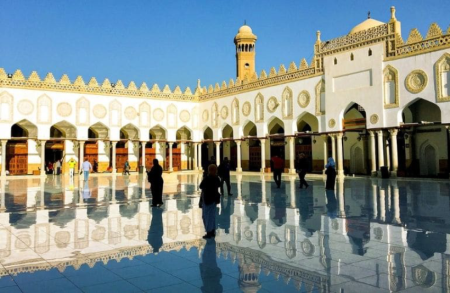
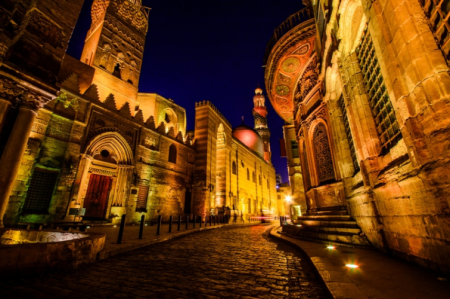
The architecture of Wekalet El Ghouri captivates with its intricate woodwork, carved stone, and mashrabiya balconies that overlook the central courtyard. The building’s massive wooden doors, adorned with metal studs, stand as silent guardians of history. Inside, the vaulted ceilings and stone arcades create an ambiance of both grandeur and intimacy. The walls are decorated with arabesque designs and calligraphy, reflecting the spiritual and aesthetic values of Islamic art. This attention to detail gives it a timeless charm that rivals iconic structures such as the Sultan Hassan Mosque and Al Azhar Mosque.
The Transformation from Trade Hub to Cultural Center
Though originally designed for commerce, Wekalet El Ghouri underwent several transformations over the centuries. By the 20th century, its functional role had faded, but its cultural spirit remained alive. In the 1990s, the Egyptian Ministry of Culture launched a restoration project to revive it as a performing arts center. Today, it’s the home of the Al Tannoura Egyptian Heritage Dance Troupe, renowned worldwide for their mesmerizing Sufi-inspired performances that celebrate Egypt’s mystical traditions. This transformation turned Wekalet El Ghouri into a living museum—a place where history and spirituality dance in harmony.
The Tanoura Dance: The Soul of Wekalet El Ghouri
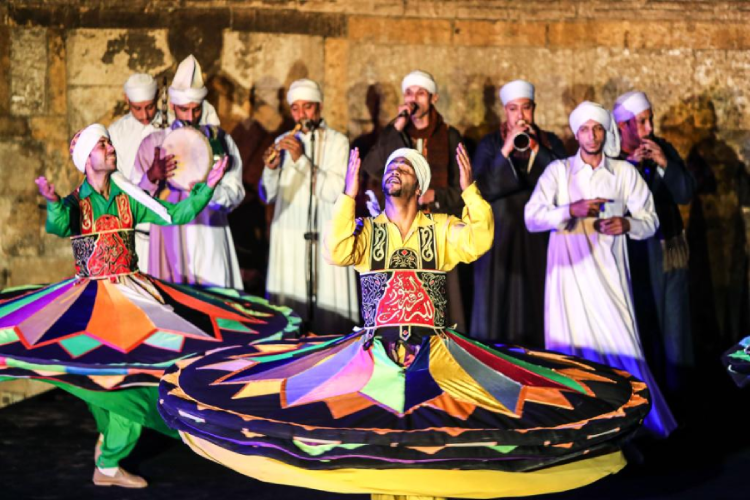
When the drums begin to echo through the courtyard, and the dancers appear in their brightly colored skirts, Wekalet El Ghouri comes alive in a magical display of rhythm and devotion. The Tanoura Dance, derived from Sufi whirling practices, symbolizes the spiritual journey of the soul seeking divine truth. The dancers, clad in multicolored skirts representing the universe, spin gracefully in time with live musicians playing traditional instruments such as the ney, tabla, and rababa. This performance isn’t merely entertainment—it’s a spiritual expression blending art, music, and faith.
To witness it under the ancient Mamluk arches is pure enchantment. The audience becomes part of the energy, feeling every beat and motion. The Tanoura show at Wekalet El Ghouri typically takes place several evenings a week, drawing locals and international visitors alike. Many travelers combine this experience with nearby Cairo Day Tours, ensuring they don’t miss this unforgettable cultural highlight.
Symbolism and Spiritual Energy Behind the Dance
Each spin, each color, holds meaning. The dancers’ movements represent the cycle of life, the rotation of the planets, and the eternal connection between human and divine. Their skirts unfold like blossoms, filling the air with spiritual energy. As the music builds, the intensity grows until it culminates in a mesmerizing crescendo that leaves audiences awestruck. This fusion of art and spirituality defines Wekalet El Ghouri as not only a venue but a sanctuary of Egyptian Sufi tradition.
Visiting Wekalet El Ghouri: What to Expect
Situated near the historic Cairo city center, Wekalet El Ghouri is easily accessible by taxi or on foot from nearby landmarks. The entrance fee is modest, and visitors are encouraged to arrive early to secure the best seats for the Tanoura show. Photography is usually allowed, but flash is discouraged to preserve the atmosphere. The courtyard, illuminated by soft lighting, exudes a magical ambiance that enhances the spiritual and sensory experience.
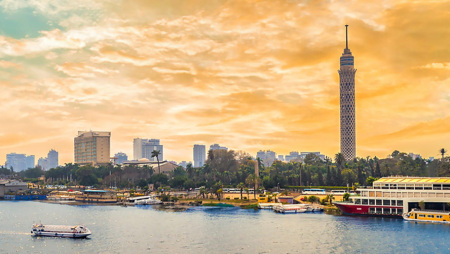
Before or after the performance, visitors can explore the surrounding area filled with traditional workshops, spice shops, and local eateries. Many pair their visit with nearby attractions like the Egyptian Museum of Cairo or a stroll along The Nile River. For those planning extended stays, combining a visit with Egypt Travel Packages or Egypt Nile Cruises ensures a well-rounded experience of culture, history, and relaxation.
Best Time to Visit and Insider Tips
The best time to visit Wekalet El Ghouri is during the cooler months between October and April, when Cairo’s evenings are pleasant. Arrive around sunset to enjoy the changing light on the building’s façade before the performance begins. Comfortable shoes are advised since exploring the cobblestone streets of Islamic Cairo often requires walking. For photography enthusiasts, the vibrant colors and historical backdrop make it one of the city’s most photogenic spots.
Preserving Egypt’s Cultural Heritage Through Art
Wekalet El Ghouri stands as a beacon of Egypt’s commitment to preserving its cultural heritage in a rapidly modernizing world. The performances, exhibitions, and workshops held here keep ancient traditions alive, passing them on to new generations. By integrating local artists and musicians, the center also supports Egypt’s contemporary cultural scene. Visitors leave with not just memories, but a deeper understanding of Egypt’s spiritual and artistic identity.
Wekalet El Ghouri in the Context of Islamic Cairo
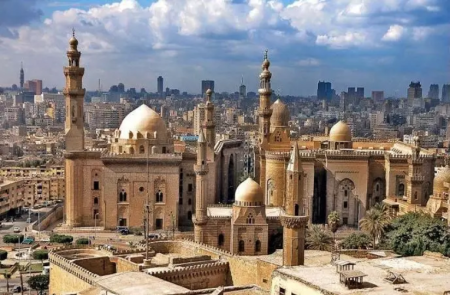
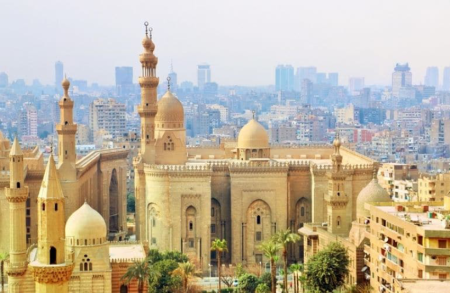
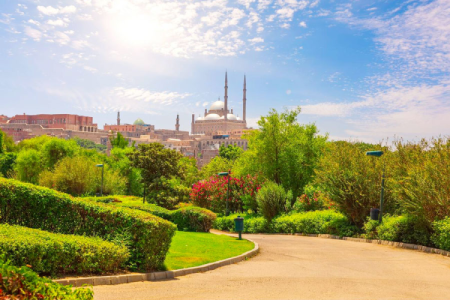
Located in an area rich with historic treasures, Wekalet El Ghouri complements landmarks like the Citadel of Salah El-Din and Al Azhar Park. Together, they form a living museum of Islamic art and architecture. Visitors exploring this district experience the essence of medieval Cairo, where history, religion, and artistry intertwine harmoniously. The Wekala’s preservation is crucial for sustaining the authenticity of this cultural landscape.
FAQs About Wekalet El Ghouri
Where is Wekalet El Ghouri located?
Wekalet El Ghouri is located in the El Azhar district of Islamic Cairo, near El Moez Street and Khan el-Khalili bazaar. Its central position makes it easily accessible from major attractions in Cairo city.
What is the main attraction of Wekalet El Ghouri?
The primary attraction is the Tanoura Dance performance, a vibrant Sufi whirling show that showcases Egypt’s spiritual art and musical traditions. It’s one of the most popular evening experiences in Cairo.
How can I attend a Tanoura show?
Shows usually take place a few nights each week in the evening. Tickets can be purchased at the entrance, and it’s recommended to arrive early to ensure seating. Many local tour companies include the show in their Cairo Day Tours itineraries.
Is photography allowed during the performance?
Yes, photography without flash is generally allowed. Visitors are encouraged to capture the mesmerizing colors and motion, but always respectfully and without disturbing the performers or other guests.
Why is Wekalet El Ghouri important in Egyptian culture?
Wekalet El Ghouri serves as a bridge between Egypt’s past and present, preserving traditional performing arts and offering a space for cultural interaction. It embodies the spirit of Islamic Cairo and stands as a living monument to Egypt’s artistic heritage.
Conclusion: The Enduring Spirit of Wekalet El Ghouri
Wekalet El Ghouri is more than a historical monument—it’s a living celebration of Egypt’s cultural heartbeat. Its walls have witnessed centuries of trade, faith, and artistry, and today, they echo with music that transcends time. Whether you’re drawn by its mesmerizing Tanoura performances, its architectural beauty, or its spiritual atmosphere, this remarkable site offers an unforgettable window into Egypt’s soul. For travelers seeking an authentic, enriching encounter, Wekalet El Ghouri remains one of Cairo’s most captivating cultural treasures—a true reflection of the timeless charm of Egyptian heritage.



.png)



Our Partners
Our Awesome Partners