

Mosque of Ibn Tulun

Mosque of Ibn Tulun: The Timeless Gem of Islamic Architecture in Cairo
Standing proudly at the heart of Cairo city, the Mosque of Ibn Tulun captivates travelers with its sheer scale, simplicity, and spiritual elegance. Built in the 9th century by Ahmad Ibn Tulun, the founder of the Tulunid dynasty, this mosque remains one of the oldest and largest in Egypt to survive in its original form. Its sprawling courtyards, mesmerizing arches, and iconic spiral minaret transport every visitor to a time when Islamic art and architecture flourished across the region. The Mosque of Ibn Tulun isn’t just a historical landmark—it’s a living testament to the enduring beauty of early Islamic design and the cultural heartbeat of Egypt’s golden era.
From its inception between 876 and 879 CE, the mosque was envisioned as more than a place of worship. It was designed as a statement of independence from the Abbasid Caliphate, symbolizing the growing cultural identity of Egypt under local rulers. With its unique blend of Samarran and Egyptian architectural styles, the mosque showcases a masterwork of symmetry, proportion, and functionality. The massive central courtyard, framed by intricately carved stucco panels and pointed arches, invites contemplation and awe. The air of tranquility it exudes makes it a must-see highlight of Cairo Day Tours and a cornerstone in any Islamic Cairo exploration.
The Visionary Founder: Ahmad Ibn Tulun and His Legacy
Ahmad Ibn Tulun, a Turkic general appointed governor of Egypt by the Abbasids, soon asserted his autonomy and established the Tulunid dynasty. His rule ushered in an age of prosperity marked by monumental construction and the flourishing of arts and sciences. The Mosque of Ibn Tulun was his crowning achievement—a symbol of power, devotion, and sophistication. Its design reflected his ambition to rival the grandeur of the Abbasid capital at Samarra while incorporating local Egyptian artistry. By commissioning the mosque, Ibn Tulun not only cemented his authority but also created a communal space uniting the people of Cairo in faith and identity.
Under his leadership, the surrounding neighborhood of Al-Qata’i became the administrative and cultural center of Egypt. Though the city was later destroyed, the mosque endured, surviving fires, invasions, and even modernization. Its resilience mirrors that of Cairo itself—ever-evolving yet deeply rooted in history. Today, it remains one of the most visited monuments for travelers exploring Egypt Travel Packages, especially those delving into the Islamic architectural heritage of the region.
Architectural Grandeur: A Masterpiece of Simplicity and Strength
The Mosque of Ibn Tulun spans over 26,000 square meters, making it one of the largest mosques in the Islamic world. Constructed entirely of brick and covered with plaster, it embodies the early Islamic architectural style characterized by minimalism and geometric precision. The open central courtyard, framed by four arcaded iwans, reflects harmony and balance. This design not only enhances natural ventilation but also evokes a sense of openness that aligns with the spiritual calm of prayer.
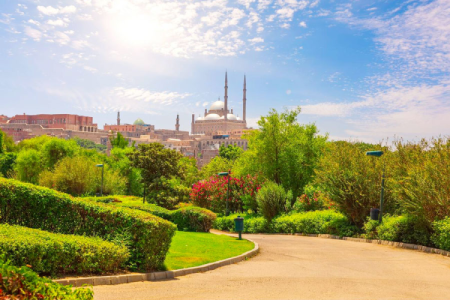
The most iconic feature of the mosque is its spiral minaret, inspired by the Great Mosque of Samarra in Iraq. The external staircase winds around the structure, offering panoramic views of Islamic Cairo. Climbing this minaret, one can glimpse the nearby Citadel of Salah El-Din and the vibrant streets below. The mosque’s interior also features exquisite stucco carvings and Kufic inscriptions, demonstrating the artisans’ mastery of both form and religious expression.
The Spiritual and Functional Design of the Mosque
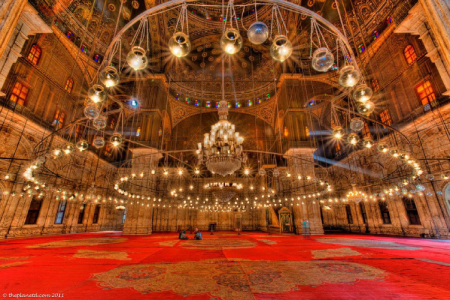
Every architectural element of the Mosque of Ibn Tulun serves both aesthetic and spiritual purposes. The ablution fountain at the center of the courtyard invites purification before prayer, while the qibla wall, adorned with a mihrab niche, directs worshipers toward Mecca. The mosque’s perimeter wall and open arches create a seamless flow between sacred space and the surrounding environment. This interaction between light, shadow, and sound creates an atmosphere of contemplation unmatched by modern structures.
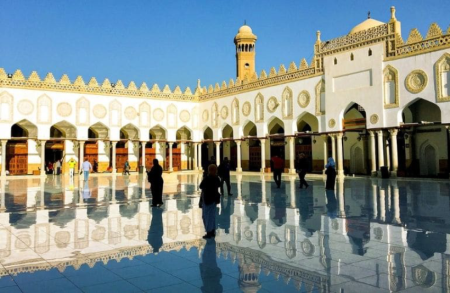
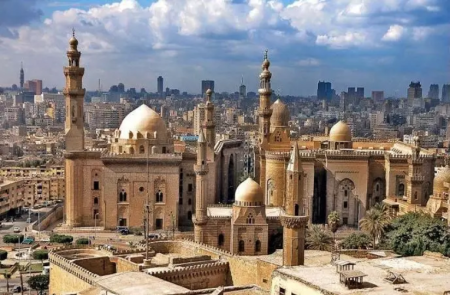
Moreover, the mosque’s design prioritized community needs. It was built to accommodate thousands of worshipers, scholars, and travelers. The attached structures once included schools, libraries, and meeting rooms, emphasizing Ibn Tulun’s vision of a mosque as both a religious and educational institution—a concept that deeply influenced later Islamic architecture throughout Egypt, including nearby landmarks such as Sultan Hassan Mosque and Al Azhar Mosque.
The Mosque’s Cultural and Historical Significance
Beyond its architectural marvel, the Mosque of Ibn Tulun holds immense cultural and historical significance. It marks the transition of Egypt from being a mere province of the Abbasid Caliphate to a thriving independent state. As one of the earliest examples of congregational mosques in Africa, it reflects the synthesis of Middle Eastern and North African architectural traditions. Over the centuries, it has served as a setting for royal ceremonies, educational gatherings, and even film productions, offering a breathtaking backdrop to storytellers and historians alike.
Its preservation efforts have become a model for heritage conservation in Islamic Cairo. Supported by various organizations and the Egyptian government, restoration projects have helped maintain the mosque’s authenticity while ensuring it remains a place of active worship. Visitors walking through its vast courtyard feel the echoes of centuries past, sensing the heartbeat of a civilization that valued faith, knowledge, and artistry above all.
Exploring the Mosque of Ibn Tulun Today
Modern visitors to the Mosque of Ibn Tulun can experience both serenity and discovery. The mosque stands quietly near The National Museum of Egyptian Civilization, offering a perfect contrast between ancient spirituality and modern preservation. As sunlight filters through the arches, photographers and architecture enthusiasts find endless inspiration in its shadows and details. Whether part of a guided tour or a solo exploration, the mosque invites reflection on Egypt’s Islamic heritage.
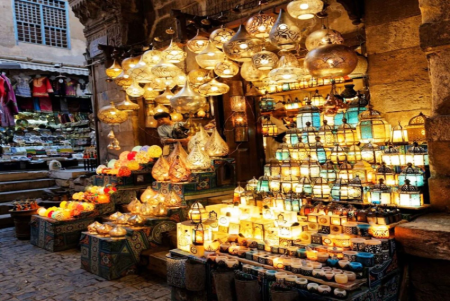
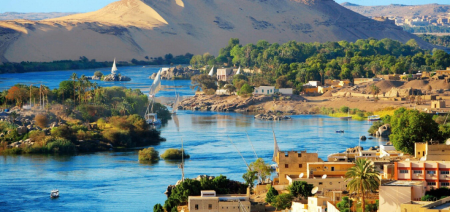
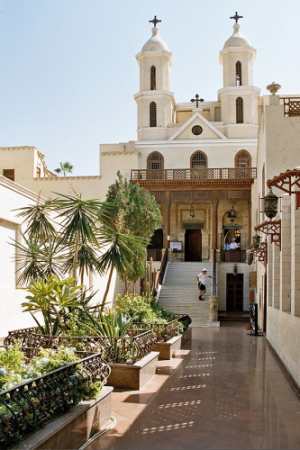
It’s also conveniently located within reach of other key attractions such as Khan al-Khalili Cairo and Coptic Cairo( old cairo). Many travelers include it in their itineraries alongside the Egyptian Museum of Cairo and The nile river, making it a central highlight of cultural immersion in Egypt.
Travel Tips for Visiting the Mosque of Ibn Tulun
Visiting the Mosque of Ibn Tulun is an experience steeped in peace and history. Dress modestly, remove your shoes before entering the prayer areas, and take your time exploring every corridor and courtyard. Early mornings are ideal to avoid crowds, and the soft golden light enhances the structure’s warm hues. Guided tours, often included in Egypt Luxury Tours, offer deep insights into its history and symbolism. Photographers will find the play of light and geometry irresistible, while history lovers will revel in its stories of resilience and faith.
Why the Mosque of Ibn Tulun Should Be on Every Traveler’s List
For anyone intrigued by Islamic art, ancient architecture, or Egypt’s layered history, the Mosque of Ibn Tulun is a must-visit. It captures the essence of what makes Cairo an open-air museum of faith and design. The sense of timelessness that envelops its walls connects modern visitors to generations of Egyptians who have prayed, studied, and dreamed within its walls. Whether you’re on a spiritual journey or a cultural exploration through Egypt Excursions, the mosque’s tranquil energy and architectural grace will leave an indelible mark.
Frequently Asked Questions about the Mosque of Ibn Tulun
1. When was the Mosque of Ibn Tulun built?
The mosque was commissioned by Ahmad Ibn Tulun and completed between 876 and 879 CE, making it one of the oldest surviving mosques in Egypt. Its construction reflects early Islamic architectural influences from Samarra, Iraq.
2. Where is the Mosque of Ibn Tulun located?
The Mosque of Ibn Tulun is located in the Sayyida Zeinab district of Cairo, Egypt, not far from the Citadel and other major landmarks of Islamic Cairo. It’s easily accessible by taxi or guided tour from central Cairo.
3. What makes the Mosque of Ibn Tulun architecturally unique?
Its vast courtyard, spiral minaret, and unadorned brick construction distinguish it from other mosques. The design emphasizes minimalism, symmetry, and spiritual harmony, setting a precedent for later Islamic architecture in the region.
4. Is the Mosque of Ibn Tulun still used for worship?
Yes, the mosque remains an active place of worship. Visitors can attend prayer times or simply explore respectfully outside the main prayer hours. Its continued use underscores its enduring spiritual importance.
5. Can tourists visit the Mosque of Ibn Tulun?
Absolutely. The mosque welcomes tourists and pilgrims alike. It’s open daily and often included in guided itineraries that explore Cairo’s Islamic heritage. Visitors are encouraged to respect religious customs while enjoying the serene atmosphere and artistry of this ancient treasure.



.png)


Our Partners
Our Awesome Partners